


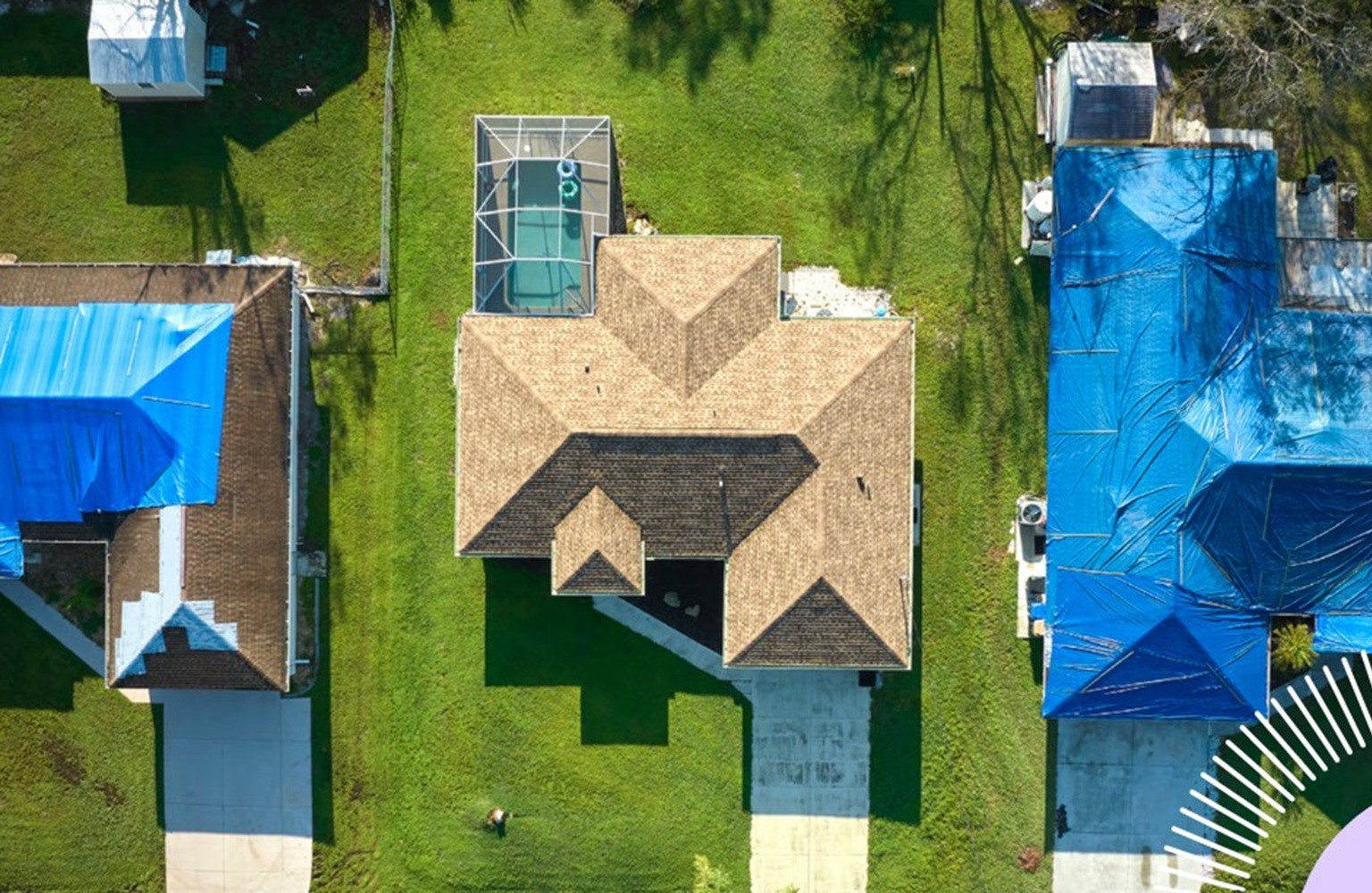
Despite a quieter year for major landfalling storms across the country, New Jersey and Northeast homeowners are facing a volatile property insurance landscape driven by localized weather events, material inflation, and an increasingly fragile regional roof inventory.
According to the newly released 2026 U.S. Roof Report by Jersey City-based strategic data analytics firm Verisk, residential roof replacement costs across the United States surged 33% in 2025 compared to the prior four-year average. Partial roof repair bills similarly climbed by 25%.
The steep financial hikes occurred during a period when overall property insurance claims volumes actually dropped by nearly 20%. The paradox highlights a reality for property owners: roof risks are becoming significantly more expensive and less predictable, even during “quiet” storm years.
The report emphasizes a stark geographic disparity in the structural integrity of American housing stock. While southern states experience rapid turnover and newer construction, the Northeast holds some of the oldest residential roofing systems in the nation.
Data from the report reveals that 18% of residential roofs in the Northeast are 31 years of age or older—the highest proportion in the country. Concurrently, only 14% of Northeast homes feature newer roofs aged between zero and four years.
This dynamic leaves a massive portion of New Jersey’s housing inventory uniquely vulnerable to everyday wind, ice, and convective storm patterns. Verisk’s baseline analytics indicate that roofs in moderate to poor condition rack up 60% higher loss costs during a severe weather event than properties maintained in good or excellent condition.
“Aerial imagery analytics reveal that, as of 2025, 38 percent of U.S. residential homes show moderate to poor roof condition,” Ryan D’Amario, senior vice president of property product management at Verisk said. “When more than a third of the housing stock falls into this category, roof condition becomes a core underwriting signal that has meaningful implications for risk selection, loss predictability and pricing accuracy.”
While multi-billion-dollar hurricanes often dominate the headlines, the report isolates frequent, sub-catastrophe wind and hail events as the primary driver behind rising claim severity. Severe hail—defined as stones measuring one inch or larger in diameter—is shifting geographically. While 2025 activity concentrated heavily in the Central Plains, smaller-scale metro-level storms continue to batter regional housing markets.
The nationwide average for a full residential roof replacement reached $17,631 last year. This baseline cost is further pressured by supply chain realities where the price of raw building supplies continues to dramatically outpace localized construction labor.
- National Labor Trends: Average roofer labor costs ticked up by a modest 0.79% in 2025.
- National Material Trends: The cost of physical roofing materials rose by 1.48%.
This gap is further complicated by severe regional swings in material pricing. While material prices dipped significantly in neighboring New Hampshire by 15.8%, other states like Nevada saw spikes exceeding 10%, indicating that local market supply lines dictate final replacement bills.
As a major employer and technological anchor headquartered right in Jersey City, Verisk’s data provides critical metrics for tri-state insurers, real estate professionals, and roofing contractors trying to forecast risk.
Because roofing line items typically represent roughly 30% of all data line items within modern property damage estimates, macro-level shifts in this specific sector inevitably dictate broader premium trends for the state’s residential property insurance market. For New Jersey communities, understanding where these structural vulnerabilities cluster will remain key to building long-term climate and economic resilience.


