


There’s a basic problem with President Donald Trump’s executive order calling for the measles, mumps and rubella vaccine to be split into three separate shots: those shots don’t exist.
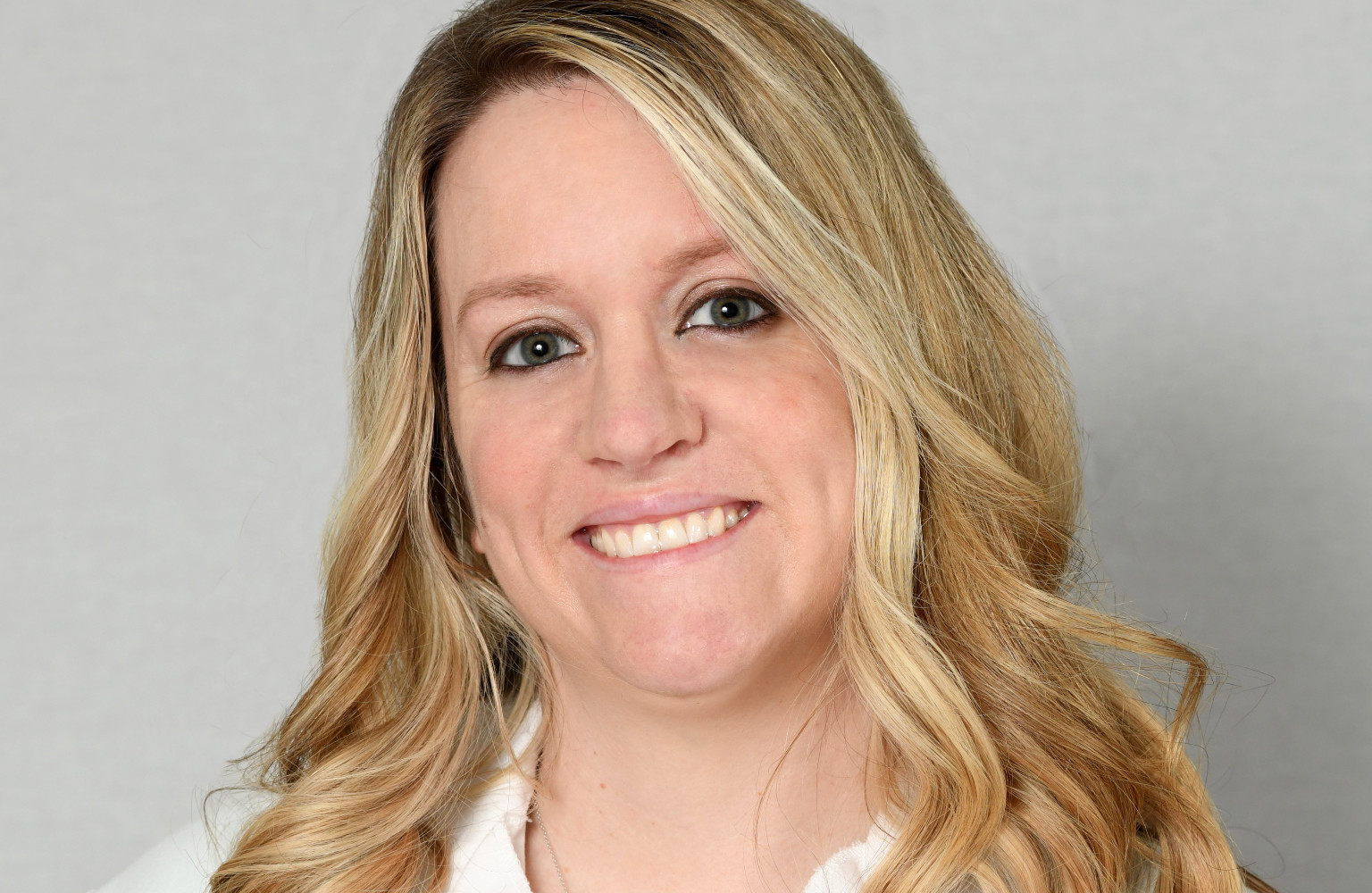
So said Dr. Katharine Clouser, a pediatric hospitalist at Hackensack Meridian Joseph M. Sanzari Children’s Hospital and former president of the New Jersey chapter of the American Academy of Pediatrics.
“Currently the only option to vaccinate against Measles, Mumps and Rubella is the combined MMR vaccine,” she said. “Monovalent (single-disease) measles, mumps, and rubella vaccines are not currently licensed in the U.S., and bringing new vaccines to market would require manufacturers to invest in development, run clinical trials, and secure FDA approval. This would take time.”
The combined shot, Clouser noted, has been in use in the U.S. and Europe since 1971 and has been extensively studied for safety and effectiveness in the decades since.
Beyond the licensing hurdle, Clouser said breaking up the vaccine schedule would reshape what a baby’s first year of pediatrician visits looks like — and not for the better.
“Spacing all the vaccines out (not just MMR) would require 22 vaccine pediatrician visits in a baby’s first year, just for vaccines as opposed to the current five or six visits,” she said. “This increases the likelihood of side effects, as most of the side effects are related to the injection itself (pain, fever, redness). It also increases the likelihood of falling behind and not being fully protected for disease.”
Then there’s this: The practical aspect of the idea.
“Every extra visit is an extra chance to fall behind with missed appointments,” Clouser said. “Fewer needles and fewer visits mean fewer chances for a child to fall through the cracks of the immunization schedule.”
Clouser’s concerns echo what public health researchers nationally have been saying since the order was signed Monday — that separating the shot creates new logistical problems without a clear scientific benefit, at a moment when measles cases in the U.S. are already at their highest level in decades. Roughly 9% of parents already report skipping or delaying the MMR vaccine for their kids, according to a 2025 KFF/Washington Post survey.
Dr. William Soliman, founder and CEO of the Accreditation Council for Medical Affairs and a former pharmaceutical executive, offered a more general note of caution on the order.
“Vaccine recommendations should never be static, and they should evolve as the evidence evolves,” Soliman said. “But any major change to the childhood immunization schedule must be driven by rigorous scientific evidence, transparent review, and clear communication from trusted healthcare professionals.”
The reaction adds to pushback BINJE has already reported from New Jersey’s life sciences community, where Healthcare Institute of New Jersey CEO Chrissy Buteas and BioNJ CEO Debbie Hart both criticized the order this week as lacking a scientific basis.


