


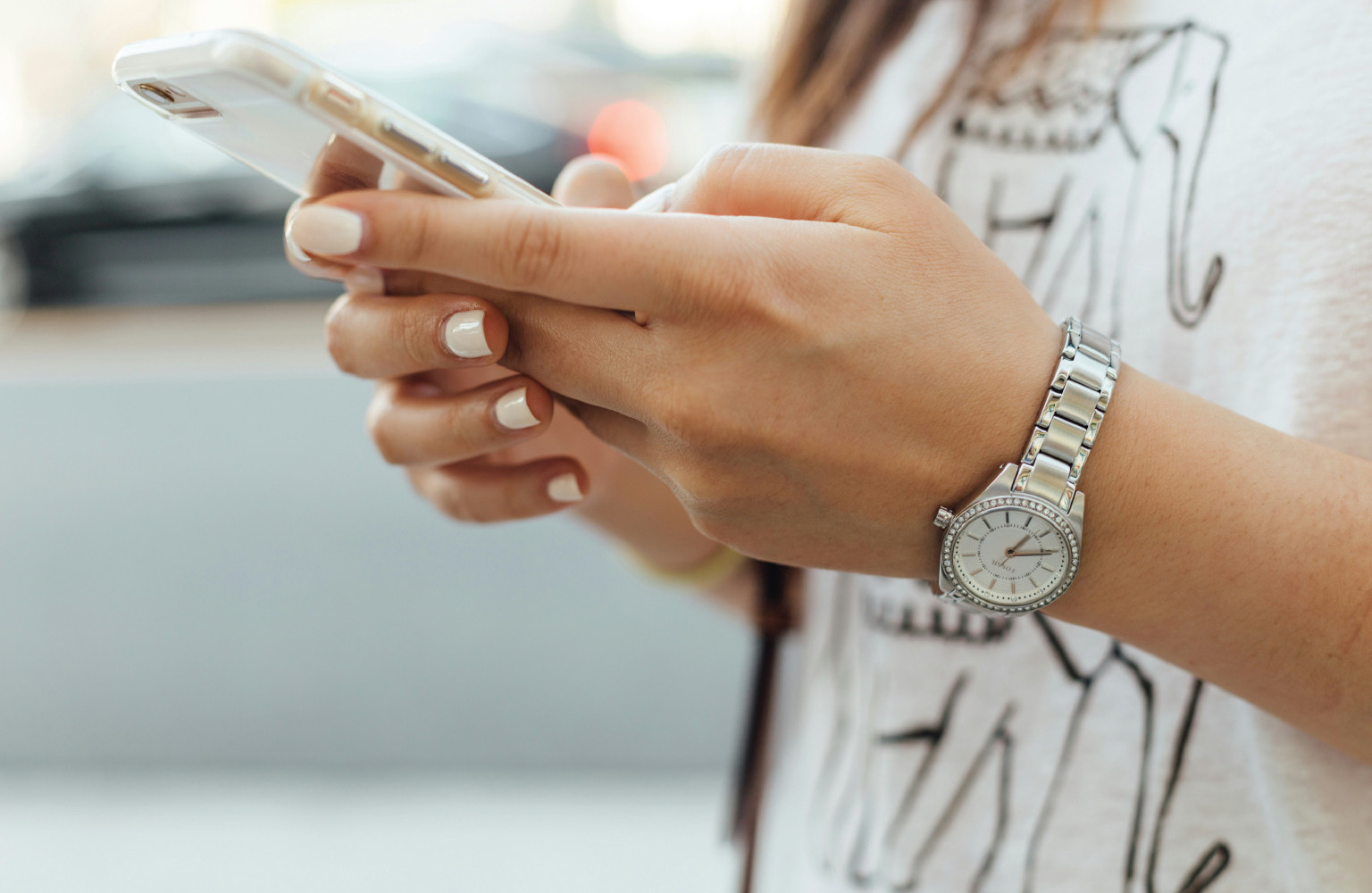
Starting this fall, New Jersey’s “bell-to-bell” law goes into effect, prohibiting cell phone use throughout the day at public schools. It’s a policy designed to reclaim student focus and mental health.
It’s a ban that stems from a survey of teens.
In 2025, a faculty and student team led by Jeffrey Lane, an associate professor with Rutgers-New Brunswick School of Communication and Information, partnered with Rutgers-Eagleton/SSRS Garden State Panel to conduct an online survey of 923 parents and 202 teens across the state on how social media shapes adolescent life. Their findings provided a roadmap for state lawmakers.
The ban, if implemented correctly, could help reset student well-being and school culture, according to Jennifer Foster, Director of School Psychology Program & Multi-Tiered Systems of Support Outreach Initiatives with Rutgers Graduate School of Applied and Professional Psychology.
Foster, who spent 16 years in the Perth Amboy public school system as District School Psychologist and Coordinator of Mental Health Programs before joining Rutgers, said the ban could provide adolescents’ with a much-needed break from the constant connectivity that can lead to anxiety.
Lane and Foster spoke about whether the ban can improve the academic, emotional and physical well-being of teens.
Q: What were the big takeaways from your survey of parents and teens?

Lane: There are three really big concerns that parents in New Jersey voiced: social media impact on teen sleep, physical activity and attention span. The teens also shared these three concerns. This was a major finding. It showed parents and teens are aligned on these three issues.
Q: How does constant connectivity fuel teen anxiety during the school day?
Foster: Access to social media, texting, group chats, and other phone notifications makes it difficult for students to disconnect. For younger generations, phones are a gateway to peer relationships and social interactions, and not being able to frequently check their phones or engage with others can heighten the fear of missing out. That fear can reinforce the need to stay connected. It’s these problematic patterns of use, including frequent checking and difficulty disengaging, that research has associated with symptoms of anxiety in adolescents.
Q: How will we know if the bell-to-bell ban is successful?
Lane: We don’t really know about the compliance end of this yet, but I think it will have the potential to change the culture at school. Teens will know their phone won’t be nearby and available, and that reduces the temptation of leaving the classroom, entering the hallway and looking at the phone. It could decouple their social life and the phone.
What we have now is a benchmark of adolescent use and their emotional, academic and physical health right before the bell-to-bell ban goes into effect. If we do additional research, we will have a comparison. There is something very valuable there. We can see if this ban is improving the social and emotional health and academic performance of teens.
Q: How could NJ’s cell phone ban reset student well-being or improve school culture this fall?

Foster: I think the cell phone ban provides a strong foundation for resetting student well-being, but how schools implement the policy will be just as important. Schools need to think about the supports students may need and avoid relying primarily on disciplinary consequences.
Many students have become accustomed to constant access to their phones, and we need to consider what happens when that access is taken away. Some students will adjust easily, some will need additional support, and others may need more intensive intervention. How schools approach this will be critical to the ban’s success. Schools should pair the policy with opportunities to explicitly teach social-emotional skills such as self-regulation, coping, relationship skills, and social problem-solving.
Q: What role can school psychologists play in implementing the ban?
Foster: This is also an opportunity to draw on the broader expertise of school psychologists, who can help schools develop tiered supports that range from schoolwide prevention and skill-building to more individualized interventions for students who need them. Over time, pairing clear and consistent expectations around cell phone use with the right supports can help improve student well-being and create a more positive school climate.
Q: Could there be unexpected results of the ban?
Lane: Changes in one part of the day could affect use at other times of the day too. Assuming your kids are following the ban, now they have been away from their phone for many hours. What will the next part of the day look like in terms of their phone use? We don’t want to make late night the time to use their phone. Or maybe this ban at school will reduce some of their connections to the phone, period. Maybe it will be easier for them to be without it if they are more accustomed to being without it.
For information about Rutgers research for N.J.’s School Cell Phone Ban, go to rutgers.edu.


