


Englewood Hospital has achieved advanced certification as a Thrombectomy-Capable Stroke Center from The Joint Commission, marking a significant expansion in the hospital’s ability to treat severe strokes.
The new credential recognizes the hospital’s capability to perform mechanical thrombectomy—a specialized, minimally invasive procedure that removes blood clots from blocked vessels in the brain to rapidly restore blood flow. This milestone builds upon Englewood Hospital’s longstanding designation as a Primary Stroke Center, a status it has held since 2005.
“This certification reflects the strength of the stroke program we have built at Englewood Hospital,” Dr. Justin Marcus, medical director of stroke, . “It recognizes the expertise, technology, and coordinated care our team brings to stroke patients every day—and our commitment to providing advanced care close to home.”
To earn Thrombectomy-Capable certification, hospitals must meet rigorous quality standards, demonstrating around-the-clock capabilities for complex endovascular procedures, advanced neuroimaging, and specialized post-procedural care.
The achievement follows targeted investments in the hospital’s neurointerventional infrastructure, most notably the acquisition of an advanced Siemens biplane imaging system. The technology offers high-resolution, real-time visualization that allows physicians to navigate the intricate blood vessels of the brain with enhanced precision during critical interventions.
“With the expertise and technology now in place at Englewood Hospital, we can treat complex strokes with minimally invasive techniques that can restore blood flow when every minute counts,” said Dr. Joseph Carnevale, director of endovascular stroke. “This certification validates the advanced neurointerventional care we are providing right here in our community.”
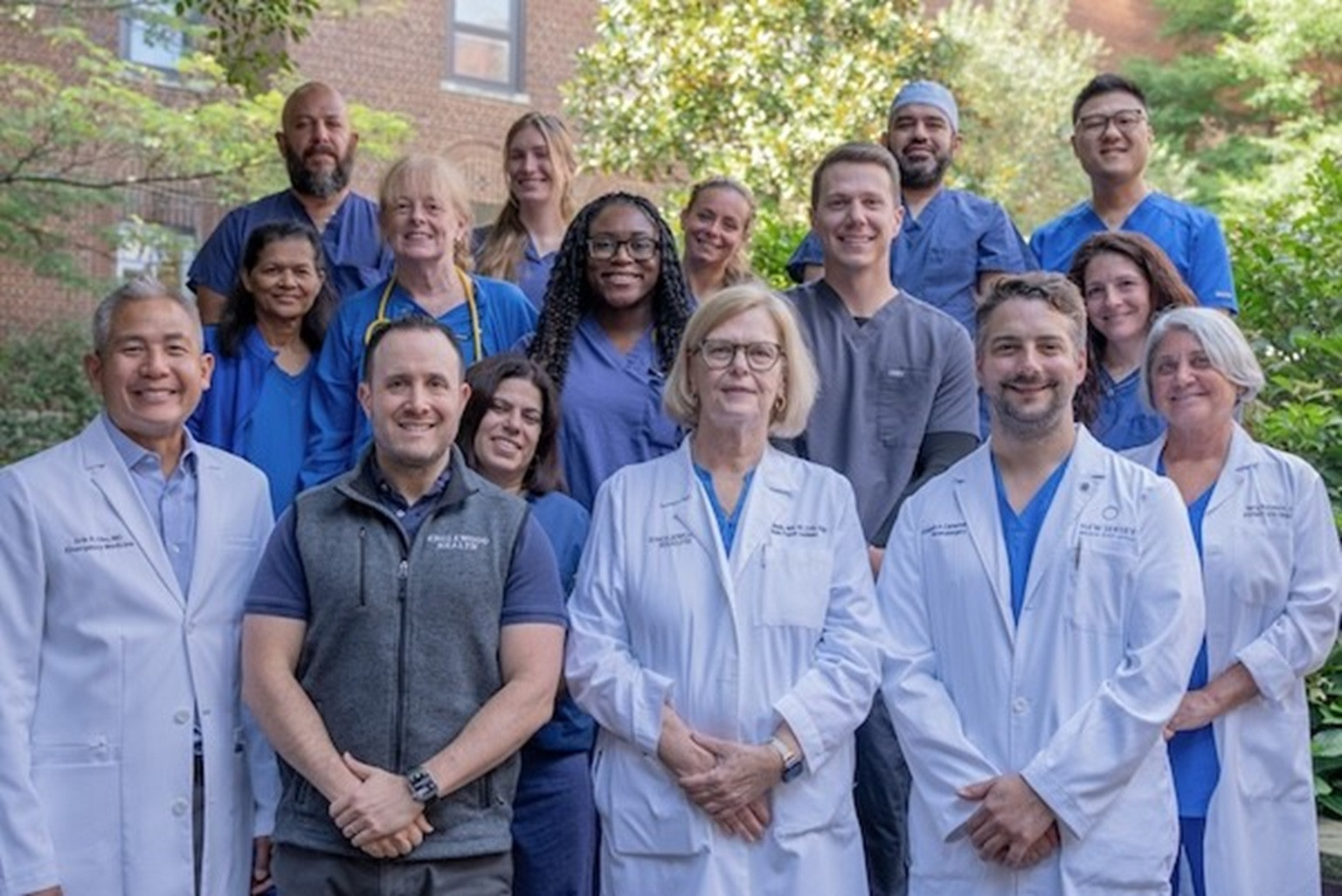
Hospital leadership emphasized that the credential is the result of cross-disciplinary teamwork involving physicians, nurses, and specialized support staff.
“Advanced stroke care requires extraordinary coordination,” said Virginia Murphy, stroke program coordinator. “From the moment a patient arrives through treatment and recovery, our teams are prepared to act quickly and work together to provide the highest level of care.”


