


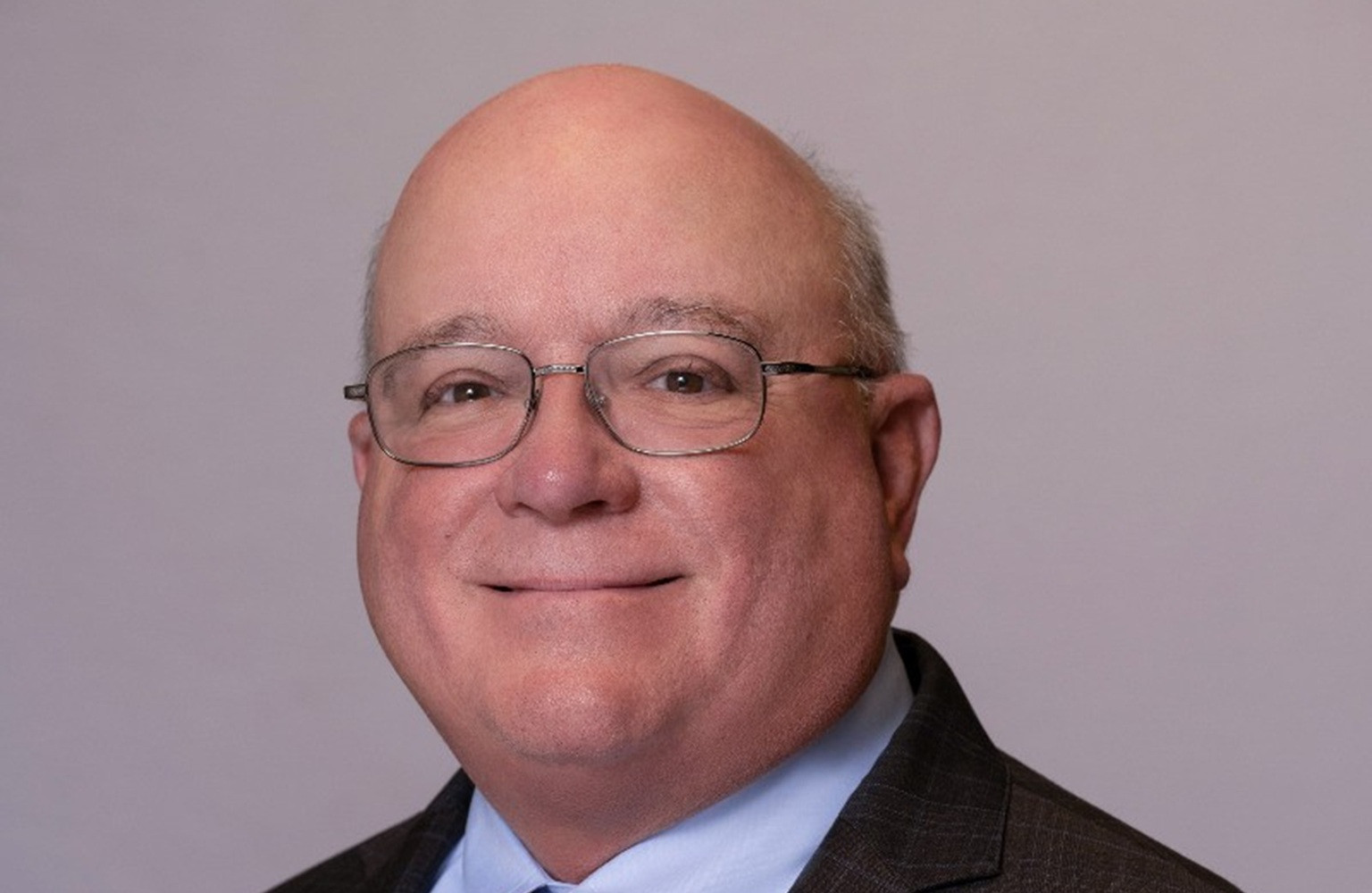
For forty-five years, I worked in heavy construction across New Jersey and the greater New York region, helping build tunnels, bridges, roadways and deep foundations. Along the way, I spent 19 years at an employee-owned company and later helped guide other companies through the process of becoming 100 percent employee-owned.
That experience changed how I think about what a job can provide.
Like many people, I retired with Social Security, some savings, and a 401(k). But I also had something many workers never get: shares in an employee-owned company. Those shares made an outsized difference in my retirement and helped turn a lifetime of work into greater financial security.
I do not see that as an exception to celebrate quietly. I see it as an opportunity more workers should have.
That matters because millions of Americans retire with little set aside. According to the National Institute on Retirement Security, across all workers, including those with no savings, the median amount saved for retirement is just $955. In New Jersey, that is not even enough to cover monthly expenses.
Most retirement savings vehicles start with the same assumption: workers have money left over to save. For millions of Americans, especially those in the trades and other hourly occupations, that is not always the case. The construction industry makes the problem clear. Only 45 percent of construction workers participate in a retirement plan, compared with 85 percent of workers in finance and insurance.
An employee stock ownership plan (ESOP) works differently. It is an employer-sponsored retirement plan through which the company contributes stock to employees’ retirement accounts at no cost to them. Workers do not have to choose between today’s paycheck and tomorrow’s retirement. As the business grows in value, employee-owners can benefit from that growth.
I saw what that could mean during my forty years at Moretrench, a family-owned construction company that later became employee-owned, where I rose from staff engineer to chairman. I saw firsthand how ownership could affect both a company and the people working for it. It gave employees a clearer connection between the work they did every day and the future they were building for themselves.
I later had the opportunity to put those lessons into practice at Railroad Construction Company, helping guide its transition to 100 percent employee ownership through an ESOP.
The broader data tells a similar story. The median retirement balance at a privately held ESOP company is roughly $80,500, more than double the median among workers who have managed to save anything at all and far above the median across all workers.
ESOPs are not simple, and they are not inexpensive. They require planning, administration, valuation, and long-term discipline. There are real costs and responsibilities that come with becoming employee owned.
But in my experience, the benefits can outweigh those costs. When employees own part of the company, they pay attention differently. Problems are often caught by the people closest to the work. Waste matters more. Decisions that affect the business are no longer someone else’s problem because employees have a direct stake in the outcome.
Companies succeed because of the people who show up every day and do the work. Giving employees a share in the value they help create recognizes something simple: they helped build it.
Today, I sit on the boards of three ESOP companies, and I have met dozens of employee-owners who retired with life-changing savings. Their stories rarely make headlines, but they show what can happen when workers build wealth alongside the companies they help strengthen.
Ultimately, the decision to become employee-owned rests with business owners. But public policy can support that decision by removing unnecessary barriers and making employee ownership easier for more companies to pursue.
That is why bipartisan efforts such as the Promotion and Expansion of Private Employee Ownership Act matter. The legislation would make it easier for business owners to transition their companies to employee ownership and expand access to the model.
The retirement crisis will not be solved simply by asking workers to save more. Employers also have a role to play, and employee ownership gives them a way to help workers build wealth through the value they create every day.
For forty-five years, I have watched New Jersey’s construction workers build the infrastructure that keeps our region moving. We should make it easier for more companies to give those workers a stake in what they build and a stronger foundation for retirement.


