


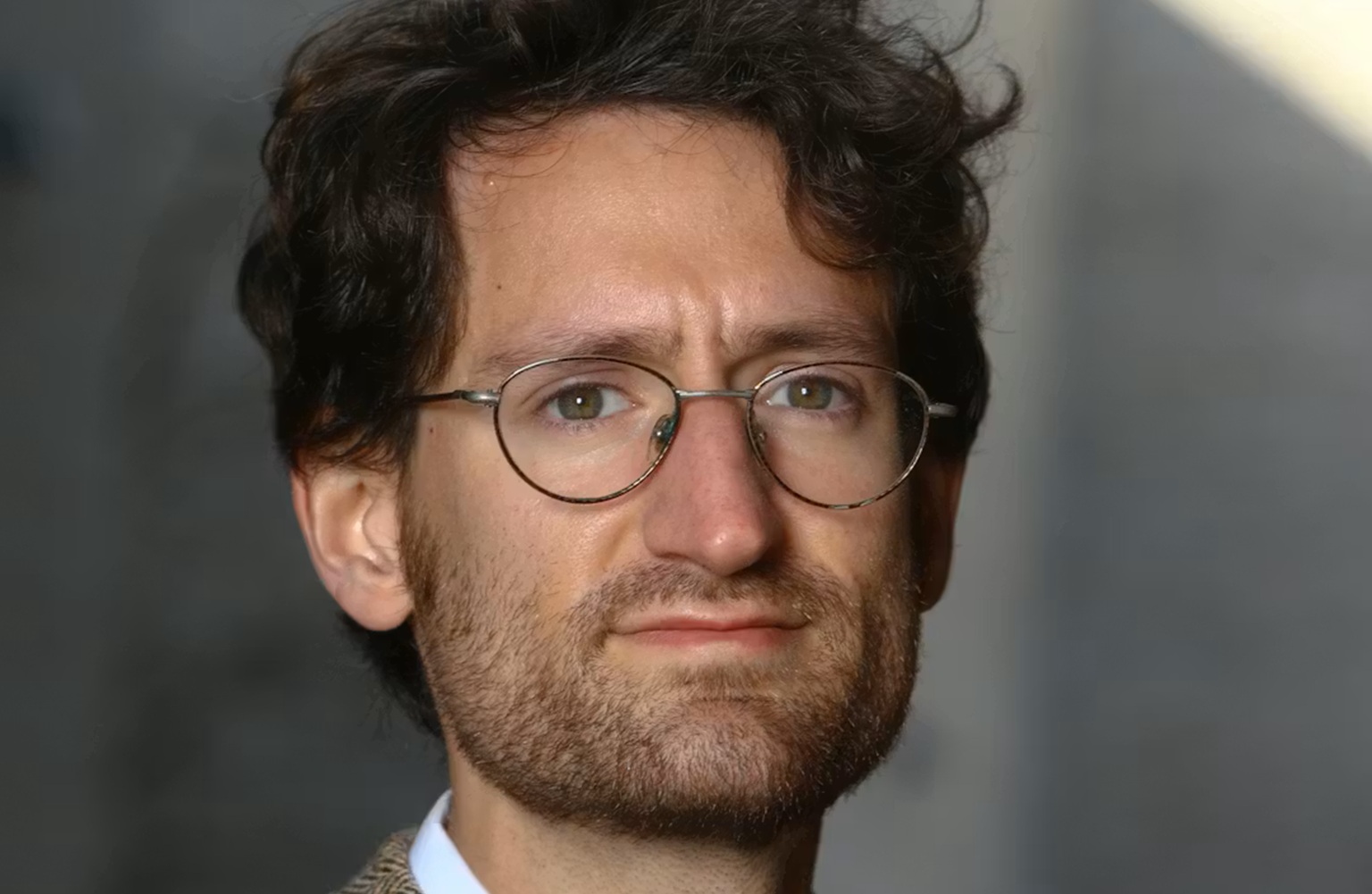
When Evan Weiss took over as the CEO of the New Jersey Economic Development Authority earlier this year, he joked that he found something he was expecting in the organization’s Newark office — boxes of offshore wind coloring books.
What he hasn’t found is much more significant — no real pushback from the federal government on its clean energy programs.
Weiss, speaking last week in a fireside chat with BINJE Editor Tom Bergeron at a ULI Northern New Jersey event at Montclair State University, said the EDA has even received some federal money to run solar programs.
It’s why clean energy continues to be a priority at the EDA even though the push for offshore wind was shot down by the feds.
Today, most of the authority’s clean energy work centers on building retrofits, Weiss said: electrify a building, add insulation, add solar and, more and more, battery storage. He said the projects deliver climate goals, lower energy bills and good union jobs, and they have turned into strong gap financing tools.
The last round of New Jersey retrofit programs put $79 million into a casino, a factory, a school, the Port Authority and senior housing, he said.
The largest CPACE deal the authority has done, by far, was for Lionsgate in Newark, he said. CPACE, a financing tool tied to local property tax collection, became part of that project’s capital stack. Weiss said the authority should do a better job explaining how its clean energy programs work alongside its other tools.
Weiss touched on a number of issues during the approximately 45-minute chat. Here are some:
Food Deserts: Weiss said the authority’s food desert relief program is running a tax credit auction now, with a deadline of Oct. 9. Companies with corporate business tax liability can buy credits that fund refrigeration, food distribution and food pharmacies. He said not enough people know about the program, and SNAP benefits are being cut.
Film and Digital Media: Weiss noted that New Jersey is the only state in the country with more film production than the year before, while every other state, including California, is declining. Tax credits are necessary, he said, but so are the state’s varied landscapes and a talent base second only to California. He said Netflix is building at Fort Monmouth at an incredibly rapid speed, which he called a great vote of confidence.
Weiss also framed film as workforce development. Any job you can think of is in the film industry, he said, from chef to accountant to electrician to carpenter, and many are union jobs, including carpenters and IATSE, the lighting union. His personal favorite example is in Newark, he said, because it is going into a place that has not seen enough investment in a long time.
Manufacturing: Weiss said the state no longer has its three car plants but still has the high end of the supply chain, including fragrances and biomanufacturing. He said the authority has made two awards so far under Next New Jersey Manufacturing since he arrived, one for a biomanufacturing facility in Central New Jersey and one for a photonics manufacturing facility. He said it is also exciting to see manufacturing become a meaningful asset class again for commercial property owners, and not just as warehouse space.
Employee Ownership: Weiss said this has been a big push for Sherrill. The EDA is working with Rutgers on studies to help companies decide whether to become employee-owned, which he said matters in manufacturing, where owners nearing retirement may have children who don’t want the business. Thanks to a bill the governor just signed, he said, the authority can now help finance those deals. He called employee ownership a huge source of wealth creation that tends to root companies in New Jersey.
Cultural Arts Facilities Program: Weiss said that as far as he knows, no other state has anything like the authority’s cultural arts facilities program. It funds nonprofits that are not usually real estate developers, and the authority provides technical assistance. Recent awards include Liberty Science Center and the Montclair library, he said. A new facility can help an arts group generate more program and operating revenue, he said.


