


Digital platforms have transformed the wholesale car auction business. In New Jersey, few places illustrate that shift better than Manheim’s sprawling 350-acre campus in Bordentown.
The moment a car enters the property, wireless devices are attached, allowing for real-time tracking and diagnostics. Manheim then runs the vehicles through giant tunnels that capture detailed, high-resolution images and identify damage in less than a minute. For prospective buyers, a redesigned mobile app released early this year allows instant VIN scanning, quick access to market information and real-time notifications.
Manheim’s digital transformation began decades ago. It became the first to provide online access to its auction inventory in 1996. Manheim launched its first Simulcast auction in 2002 and accelerated its digital operations during the Covid-19 pandemic. By 2009, it had reached 3 million online transactions. Today, about 70% of buyers participate remotely, reflecting the company’s push to make buying and selling vehicles seamless whether bidders are standing in an auction lane or logging in from across the country.
Here’s what stood out during a recent tour of the facility, conversations with executives and a presentation on trends shaping the used-vehicle market:
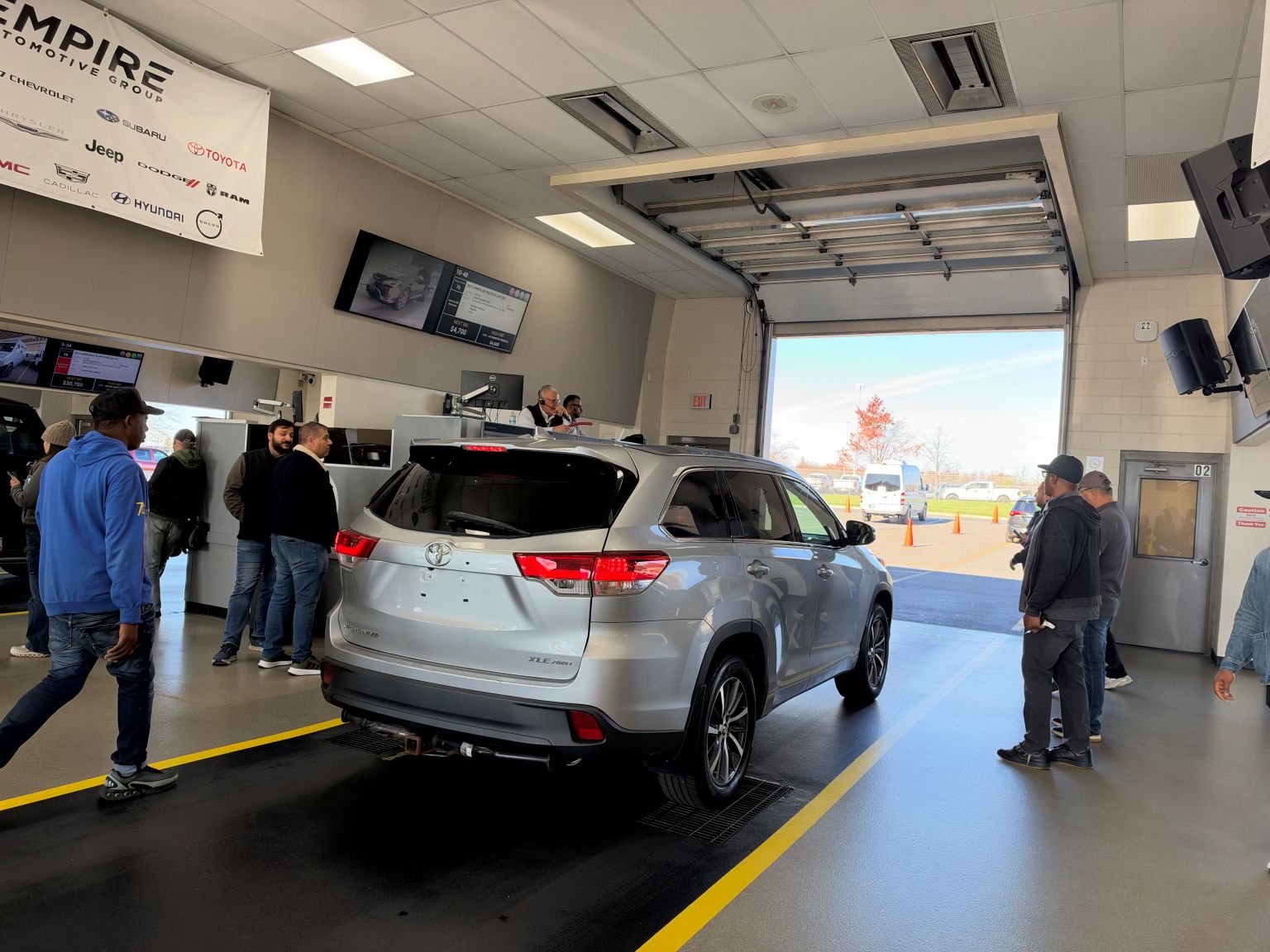
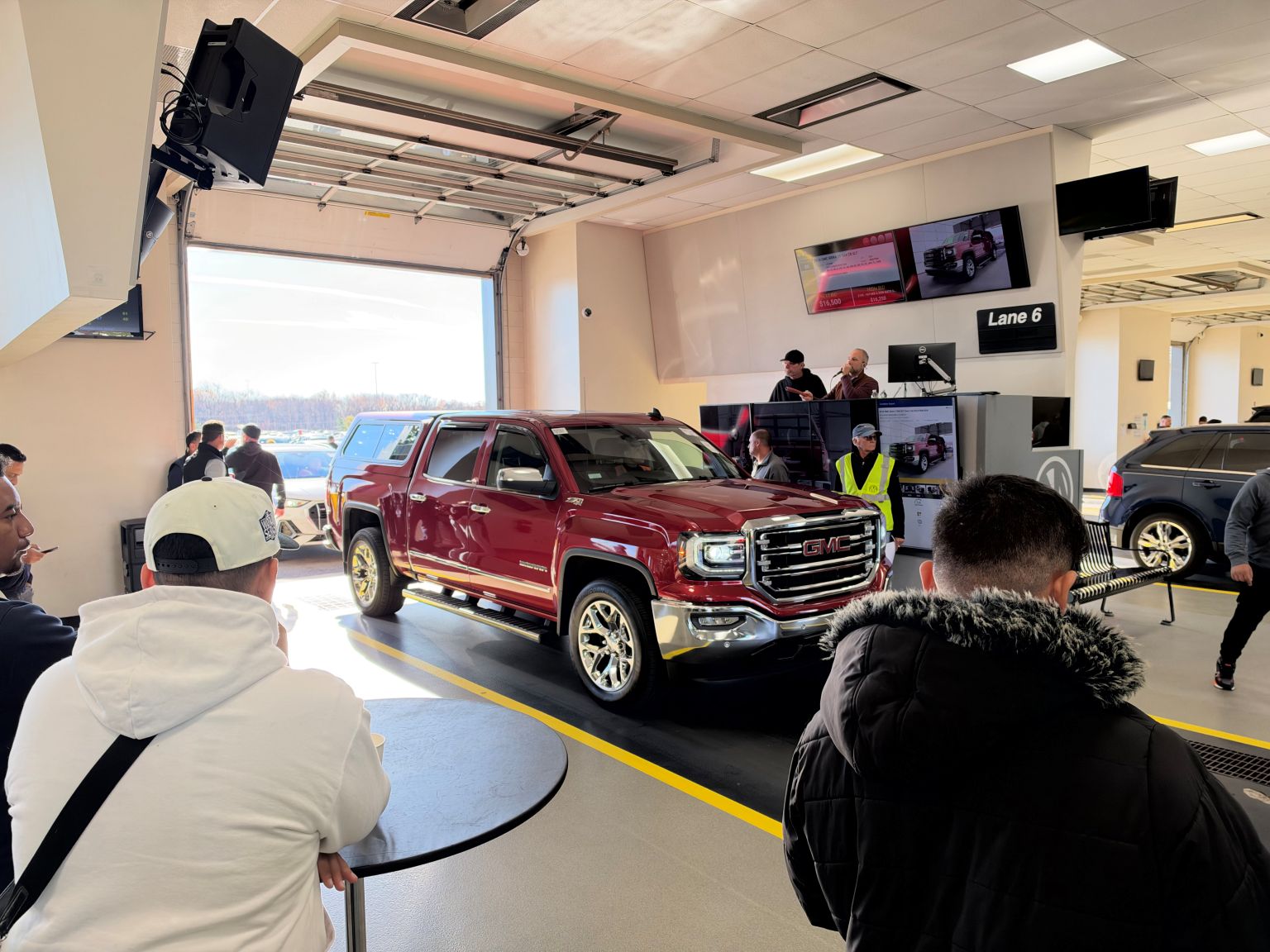
- The auctions still look like something out of a movie. Despite the rise of digital bidding, Manheim New Jersey’s 24 auction lanes retain the fast-paced atmosphere many people associate with car auctions. Vehicles stream through lane after lane while dealers gather around the block and auctioneers rattle off bids in rapid-fire. During the tour, cars moved through so quickly that a buyer had only moments to decide whether to bid before the next vehicle rolled into place. Executives warned journalists, “Don’t raise your hand, you might buy a car.”
- The used-vehicle market dwarfs the new-car market. The used-vehicle market is about 2.5 times larger than the market for new cars. While new vehicles grab headlines and comment higher prices, it’s important to remember that all vehicles on the road are used, said Manheim’s own chief economist, Jeremy Robb, who provides regular expert commentary on forecasts, interest rates and auto market trends.
- Manheim helps set prices across the industry. Its auction data powers its widely watched Used Vehicle Value Index, a benchmark used throughout the automotive industry to track wholesale prices. The company is owned by Cox Automotive, which also owns Kelley Blue Book and AutoTrader. All the businesses are part of Cox Enterprises, a privately owned Atlanta-based company with $23 billion in annual revenue.
- Bordentown is big, but Manheim’s footprint is massive. The Bordentown facility spans 350 acres, but it represents only a fraction of Manheim’s operations. The company operates more than 80 locations worldwide, manages facilities covering roughly 9,000 acres and handles more than 7 million vehicles annually.
- Vehicle price inflation has largely cooled. The average retail price of a three-year-old vehicle is about $33,000, up roughly 2.5% from a year ago. More notably, prices for three-year-old vehicles have risen only about 7% over the past five years, despite the inflation surge that followed the pandemic. According to Robb, the broader story is that vehicle inflation has largely stabilized after the dramatic price increases seen in 2020 and 2021.
- Artificial intelligence is now embedded throughout the business. AI is being used for pricing recommendations, market analysis, battery assessments and matching buyers with inventory. “AI is not something that we’re scared of,” said Grace Huang, president of Cox Automotive Inventory Solutions Division. “We embrace it because it’s a tool for us to really help drive greater seamlessness between all of our channels and all of our tools.”
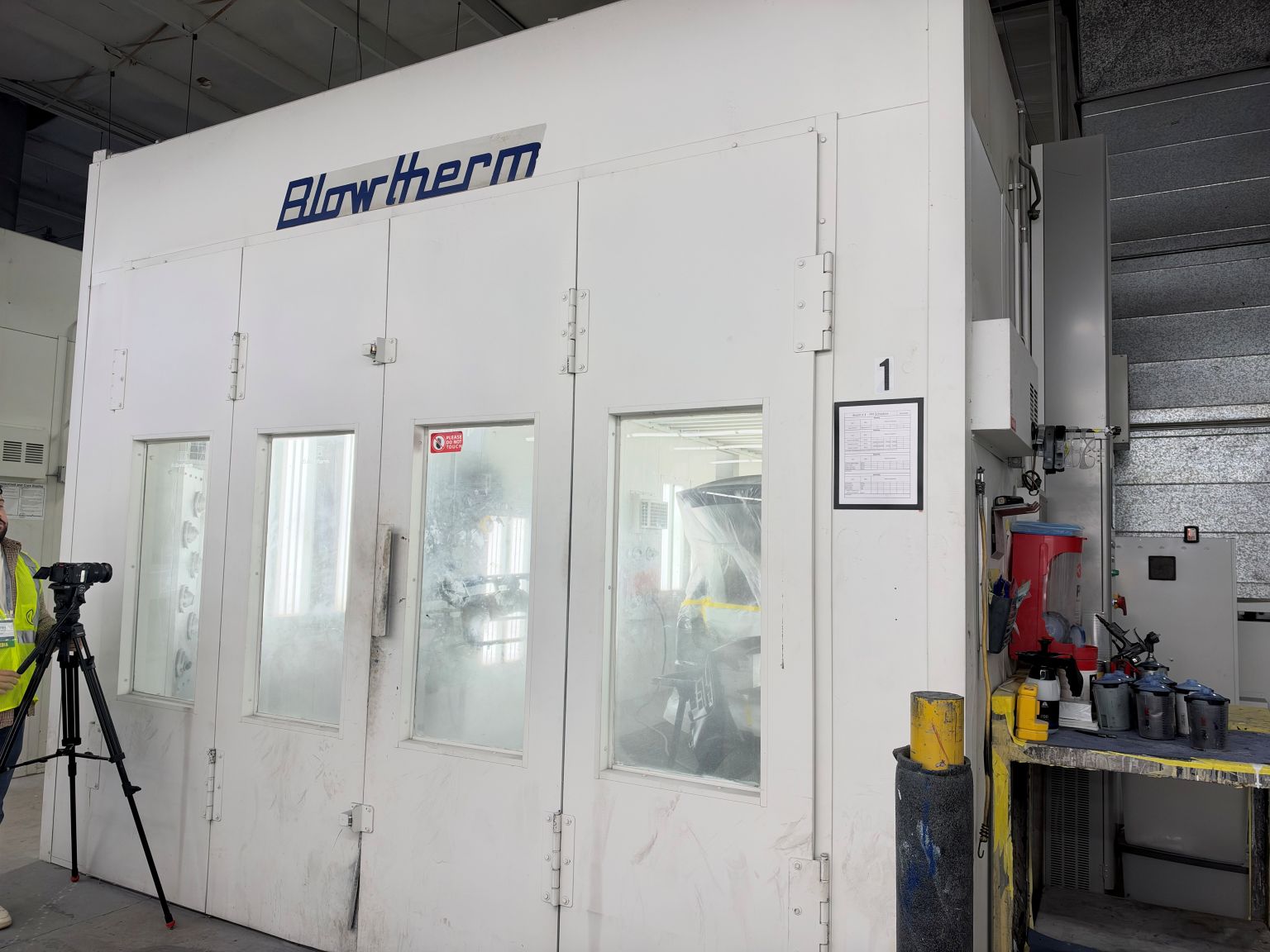
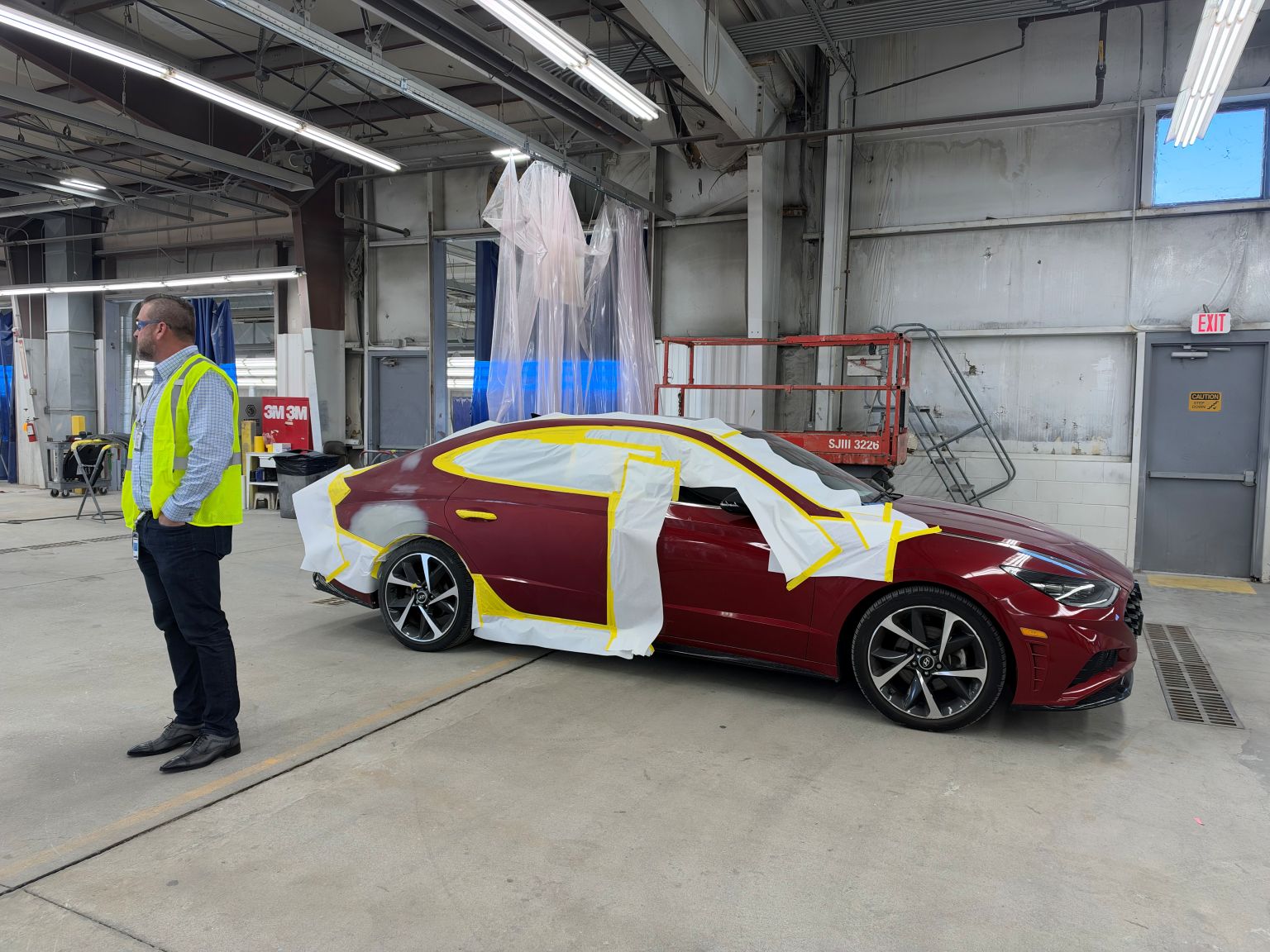
- Every used car gets treated like a unique asset. Unlike new vehicles, no two used cars are exactly alike. Manheim has built inspection systems and imaging technology specifically to document each vehicle’s condition.
- Used EVs are outperforming expectations. According to Manheim data, wholesale values for three-year-old electric vehicles have increased 6.4% this year, while comparable gas-powered vehicles have declined 6.3%. Rising fuel costs and stronger consumer demand have helped used EVs outperform the broader market.
- Battery health has become as important as mileage. As more used EVs enter the market, battery condition is becoming as important to buyers as mileage. Manheim now provides battery-health scores to help shoppers better assess vehicle value and performance.
- Thousands of EVs are headed into the used-car market. Electric vehicles are expected to account for a rapidly growing share of off-lease volume in coming years. EVs represented about 5% of off-lease vehicles in 2025 and are projected to rise to roughly 12% in 2026 and 18% by 2027 and 2028, increasing their presence at wholesale auctions and in the used-car market.
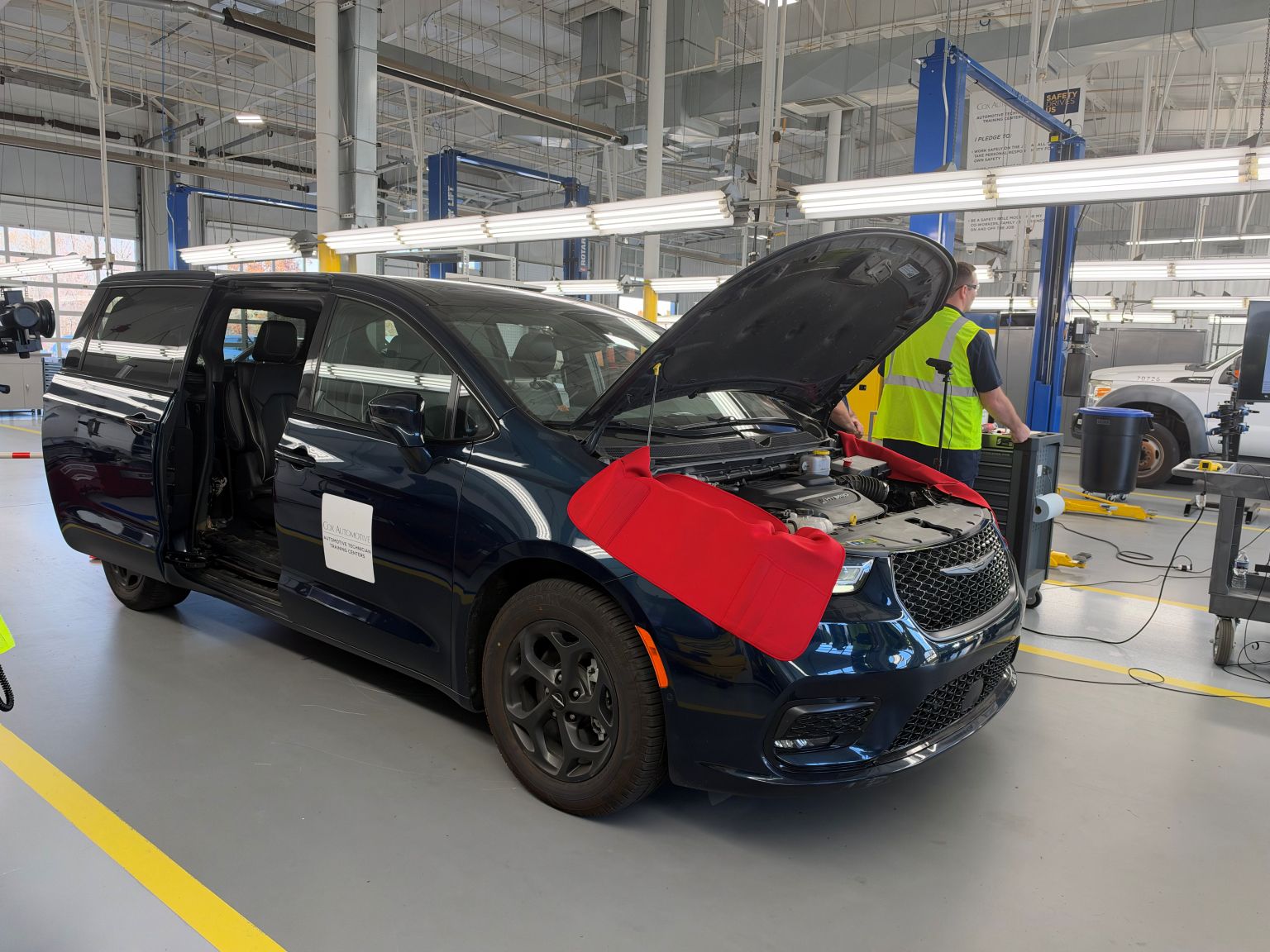
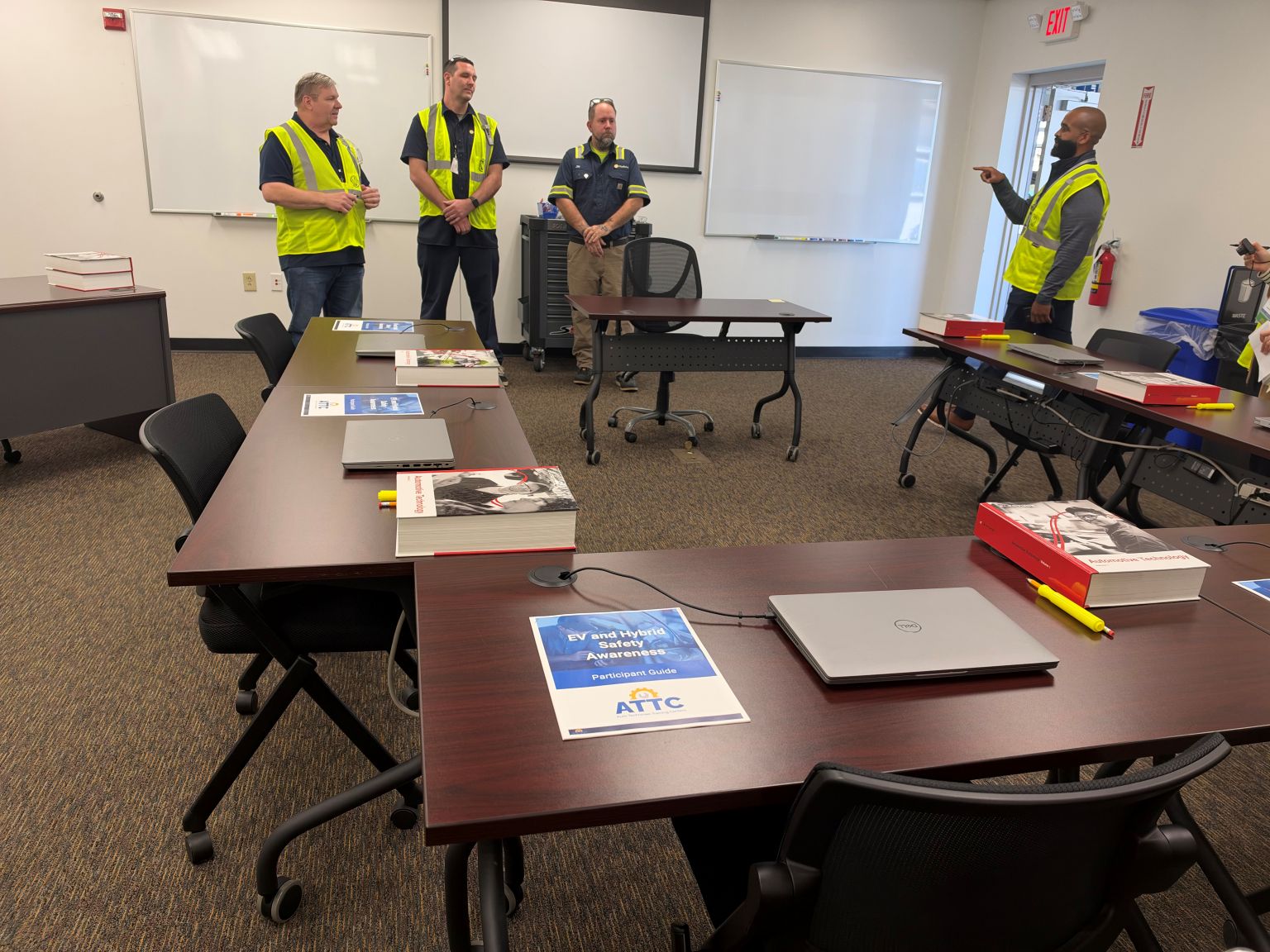
- The New Jersey facility has become a training center for the EV era. Manheim operates technician training programs that teach workers how to safely service and handle electric vehicles and battery systems. The Bordentown facility houses one of the company’s specialized training centers, where technicians receive hands-on instruction for the growing EV market.
- Solar power is helping run the operation. More than 7,000 solar panels across the property generate approximately 3 million kilowatt-hours of electricity annually.
- Repair costs are helping to drive demand for used vehicles. With nearly 270 million vehicles on the road and an average vehicle age of about 13 years, the U.S. has the oldest vehicle fleet in history. Robb said that’s likely close to the upper limit, since most vehicles aren’t built to last much longer than that. As cars age and repair bills climb, many consumers are choosing replacement vehicles instead. A $4,000 or $5,000 repair bill is no longer unusual, creating steady demand for used cars.


