


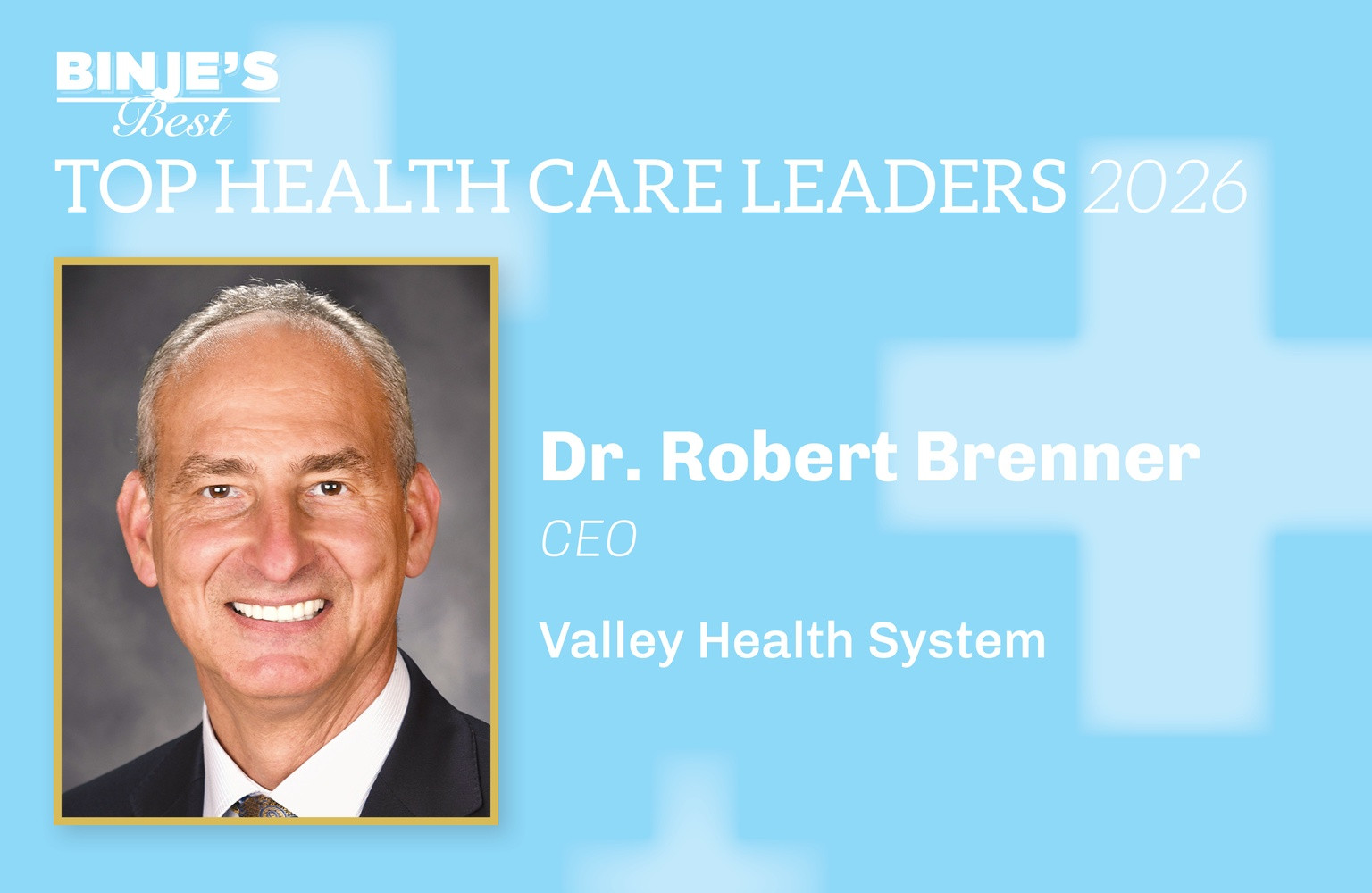
Dr. Robert Brenner
CEO
Valley Health System
Brenner has Valley operating at full throttle as demand surges across the system. The new Paramus hospital has drawn record patient volumes, prompting Valley to propose a major expansion of its patient-care wing and accelerate investments in surgical, cardiac and maternal services. Valley also opened its new Montvale specialty campus, strengthening access to orthopedics, women’s health and advanced imaging. The system continues to earn national recognition for quality and LGBTQ+-inclusive care, one of only nine New Jersey hospitals to receive the Human Rights Campaign’s top designation. Brenner’s challenge — and opportunity — is managing unprecedented demand while keeping Valley’s reputation for highly personal, patient-first care intact. His strategy blends modernization, physician alignment and community-based expansion, positioning Valley as one of North Jersey’s most consistently high-performing systems.
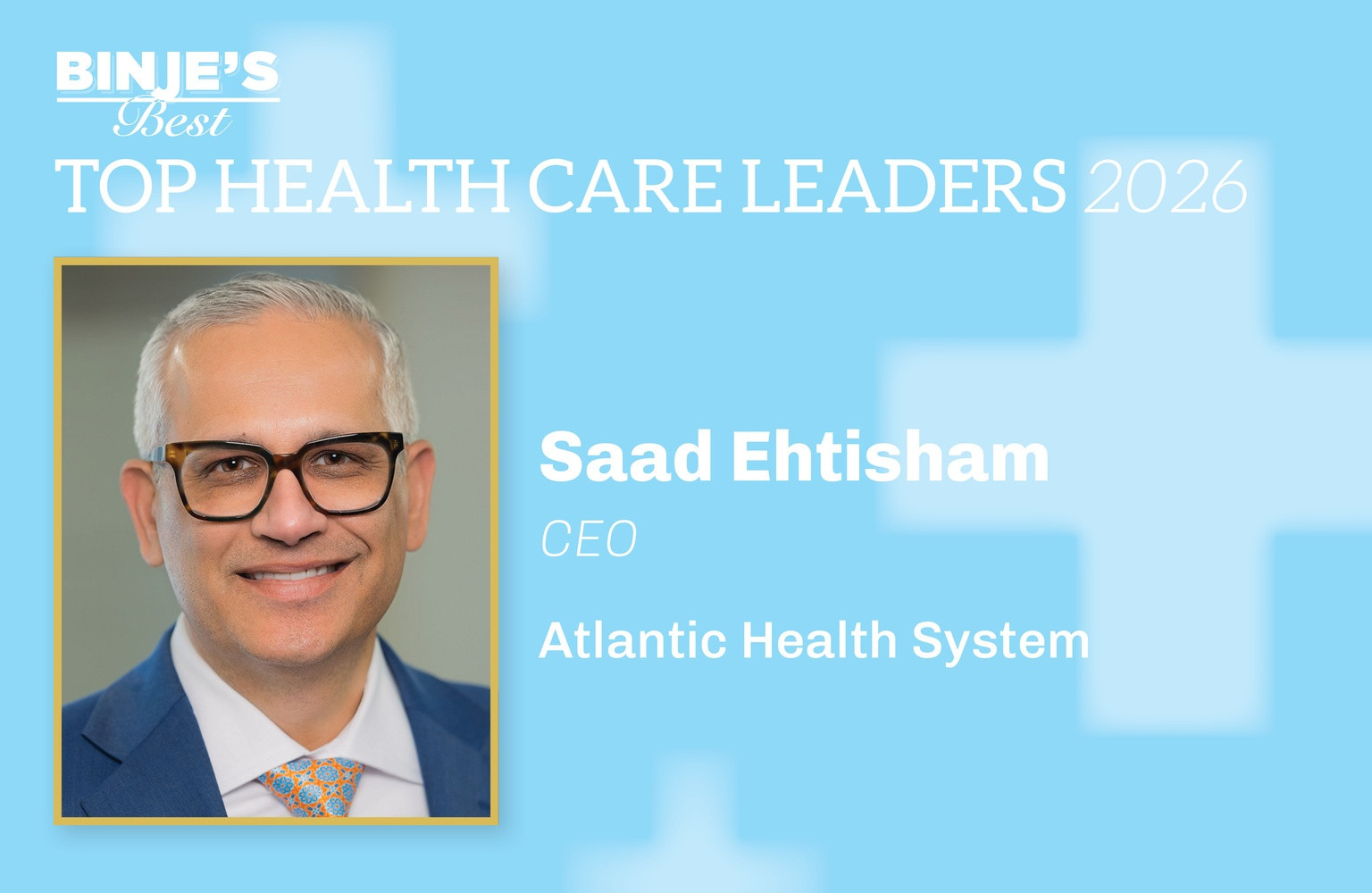
Saad Ehtisham
CEO
Atlantic Health System
Ehtisham’s first full year at the helm has been defined by disciplined growth, cultural integration and high-performance results. In 2026, Morristown Medical Center and Overlook Medical Center ranked No. 2 and No. 3 statewide in U.S. News & World Report and earned Top 50 Healthgrades designations — the only two New Jersey hospitals to do so. Ehtisham refreshed Atlantic’s executive bench, adding CFO David Nosacka and new trustees, while expanding cardiovascular, neuroscience and oncology programs across the system. His leadership emphasizes collaboration, modernization and deep community partnership. With the Saint Peter’s merger off the table, Ehtisham has doubled down on independent expansion, digital transformation and strengthening Atlantic’s ambulatory footprint.
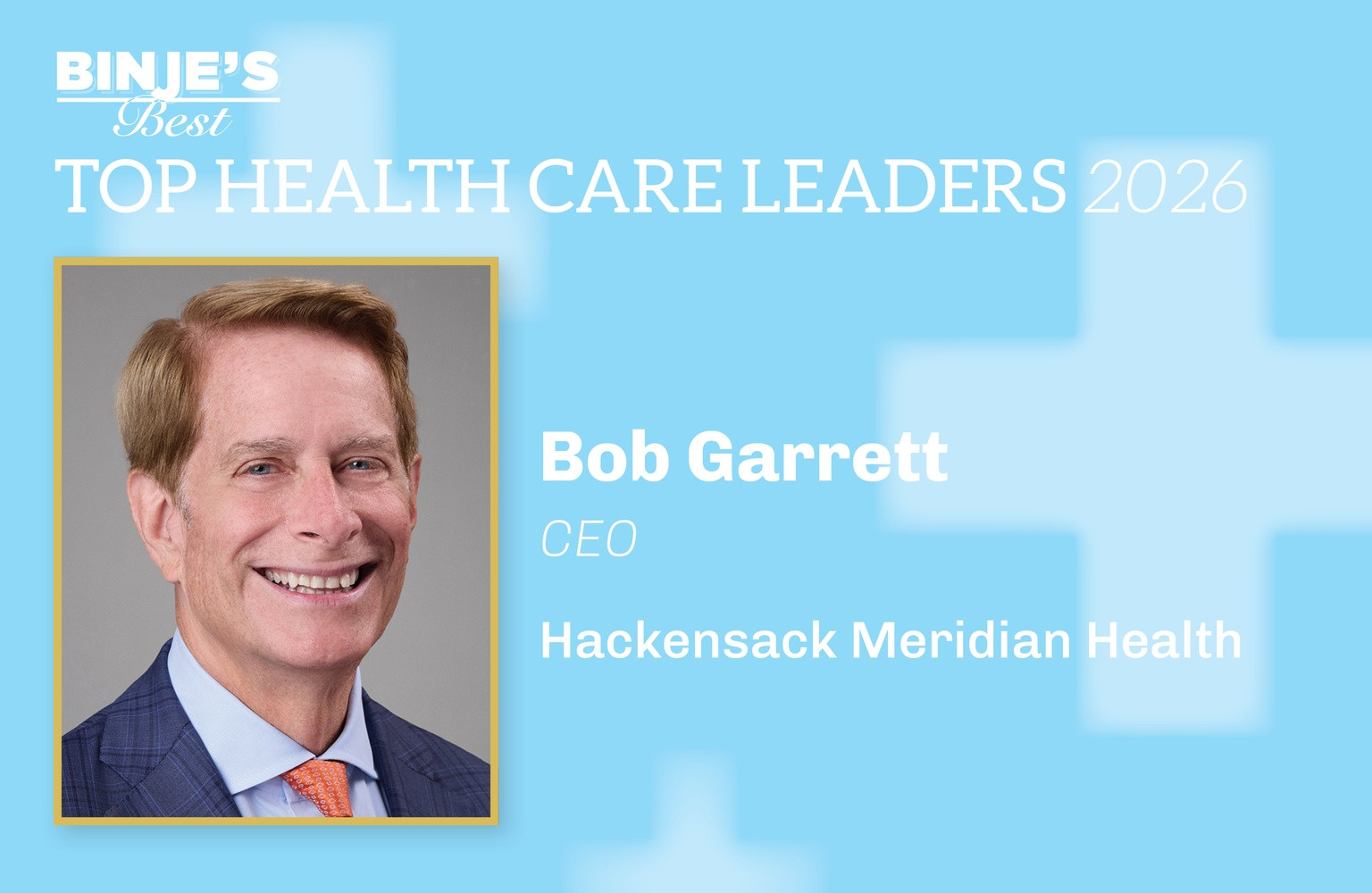
Bob Garrett
CEO
Hackensack Meridian Health
Garrett is maintaining the system’s seemingly never-ending momentum. Hackensack University Medical Center was again ranked the No. 1 hospital in New Jersey, with multiple nationally ranked specialties, and the system earned a coveted spot on People’s 100 Companies That Care. HMH also recently opened its new corporate headquarters at its new MetroPark facility — a hospitality-driven model blending concierge service with advanced specialty access — and welcomed 162 future physicians to the Hackensack Meridian School of Medicine’s ninth cohort. Garrett also pushed forward on youth mental-health initiatives and formally pursued a merger with Hunterdon Health to broaden HMH’s statewide footprint. His leadership blends academic expansion, innovation and community-health investment, positioning HMH as a rising national force.
Warren Geller
CEO
Englewood Health
Geller is steering Englewood through one of the most consequential chapters in its history. Earlier in the year, Englewood signed a definitive agreement to join RWJBarnabas Health — a move expected to bring major capital investment, expanded outpatient services and strengthened community-health programs across Bergen, Hudson and Passaic counties. The hospital also achieved its first-ever Top Five ranking in New Jersey from U.S. News & World Report, reflecting gains in quality, patient experience and specialty performance. Geller has continued to invest in surgical, cardiac and oncology capabilities while modernizing Englewood’s campus and deepening physician alignment. His focus is preserving Englewood’s community-hospital culture within a larger academic-aligned system, ensuring the organization emerges from the transaction with stronger infrastructure, broader access and long-term stability.
Les Hirsch
CEO
Saint Peter’s Healthcare System
Hirsch, a four-decade veteran of hospital leadership, continues to guide Saint Peter’s through a period of strategic recalibration and clinical innovation. As a member of the American Hospital Association’s board of trustees, he brings New Jersey’s perspective to national discussions on access, workforce and reimbursement. So far this year, Saint Peter’s has expanded its strengths in maternal and child health, oncology and academic medicine, while debuting AI-powered robotic therapy for enlarged prostate treatment — a first for the region. With the proposed merger with Atlantic Health mutually ended, Hirsch has focused on modernization, mission-driven Catholic care and strengthening Saint Peter’s role as a key safety-net provider for Central Jersey. His leadership keeps the system anchored in community service while pushing forward on technology and specialty-care innovation.
Mark Manigan
CEO
RWJBarnabas Health
Manigan leads New Jersey’s largest academic-aligned system through a year of sweeping expansion in community health, oncology and ambulatory care. RWJBarnabas advanced the Vogel Medical Campus in Tinton Falls, a major outpatient hub extending Monmouth Medical Center’s reach along the Shore. The system opened the Melchiorre Cancer Center at Cooperman Barnabas, invested nearly $50 million in Federally Qualified Health Centers statewide, launched New Jersey’s first street-medicine program at Trinitas and broke ground on a $48 million South Ward Wellness Center in Newark. RWJBH also landed two hospitals in the U.S. News Top Ten, with a third (Englewood) potentially joining soon. Manigan’s strategy blends academic integration with Rutgers, digital transformation and equity-focused community investment, positioning RWJBarnabas as one of the most influential health systems in the region.
Amy Mansue
CEO
Inspira Health
Mansue has Inspira in full expansion mode across South Jersey this year. Just this month, Inspira opened an expanded maternity unit at Mullica Hill, which is part of a 168,000-square-foot addition that will significantly enhance oncology, neurology, cardiology and women’s health services. The system also launched a system-wide Epic electronic health record to transform patient care. Inspira also deepened its strategy to strengthen access, expanding behavioral-health programs, rural outreach and Inspira LIFE PACE services. Mansue has emphasized partnerships with Rowan, local employers and community organizations to address workforce needs and chronic-disease management. Her leadership blends bricks-and-mortar investment with community-health innovation, keeping Inspira a key regional anchor in Gloucester, Cumberland and Salem counties.
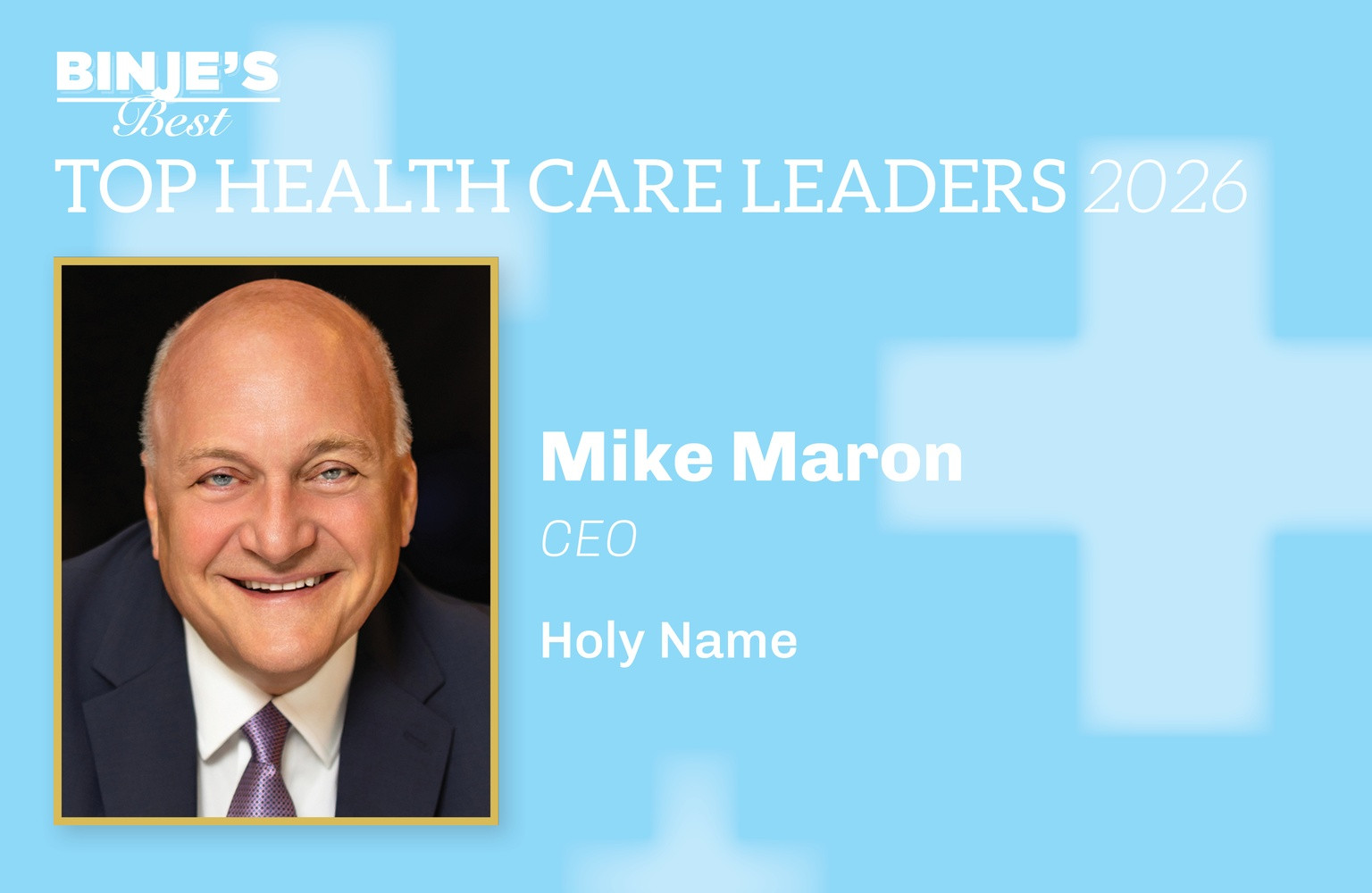
Mike Maron
CEO
Holy Name
Maron is guiding Holy Name toward its centennial with a blend of local innovation, academic partnership and global mission. Holy Name launched a new Neuroendovascular Institute, expanded specialty care in Teaneck and announced a major neurosurgical partnership with Columbia University Irving Medical Center. The system also created a dual-enrollment nursing program with Rowan University, strengthening its workforce pipeline. Holy Name continued its long-standing humanitarian commitment to Haiti through Hôpital Sacré-Cœur while expanding its physician enterprise and outpatient footprint. Maron’s leadership emphasizes cultural competency, independence and faith-informed care, positioning Holy Name as one of New Jersey’s most distinctive health systems — a community hospital with academic reach and international impact.
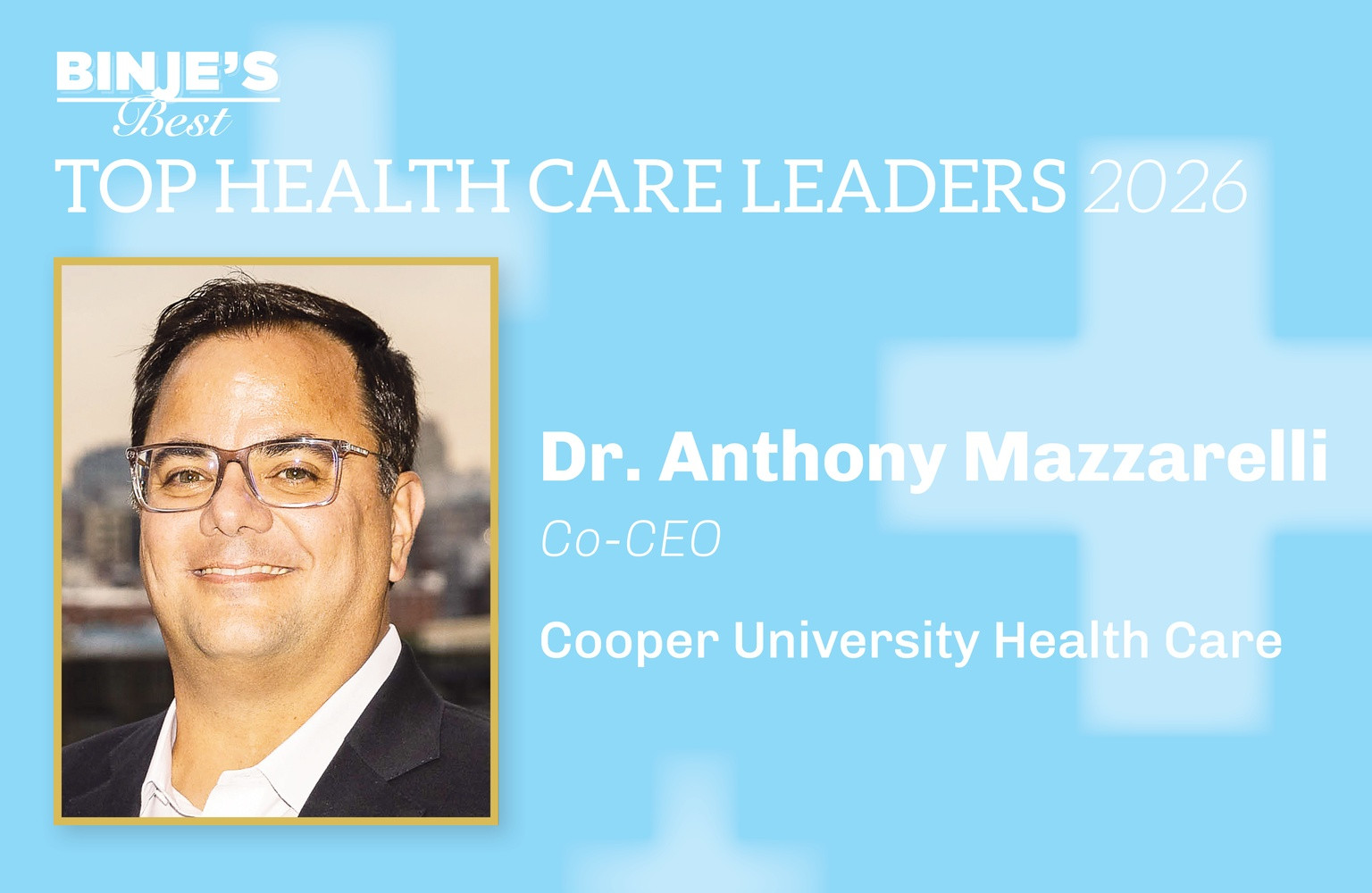
Dr. Anthony Mazzarelli
Co-CEO
Cooper University Health Care
Mazzarelli, one of the few hospital chief executives who still practices medicine, has been central to Cooper’s surge into statewide prominence. In 2026, Cooper completed its integration of Cape Regional Health System, unveiled plans for a transformative $300 million outpatient campus in Gloucester Township and received a record-setting $100 million philanthropic gift to fuel cancer, neuroscience and academic-medicine growth. Cooper also cracked the Top Five statewide rankings for the first time. Mazzarelli expanded trauma, neuroscience and specialty-care programs, strengthened nursing partnerships with Drexel and advanced Cooper’s reputation as a high-performance academic system. His clinical lens keeps quality, innovation and patient experience at the center of Cooper’s rapid expansion.
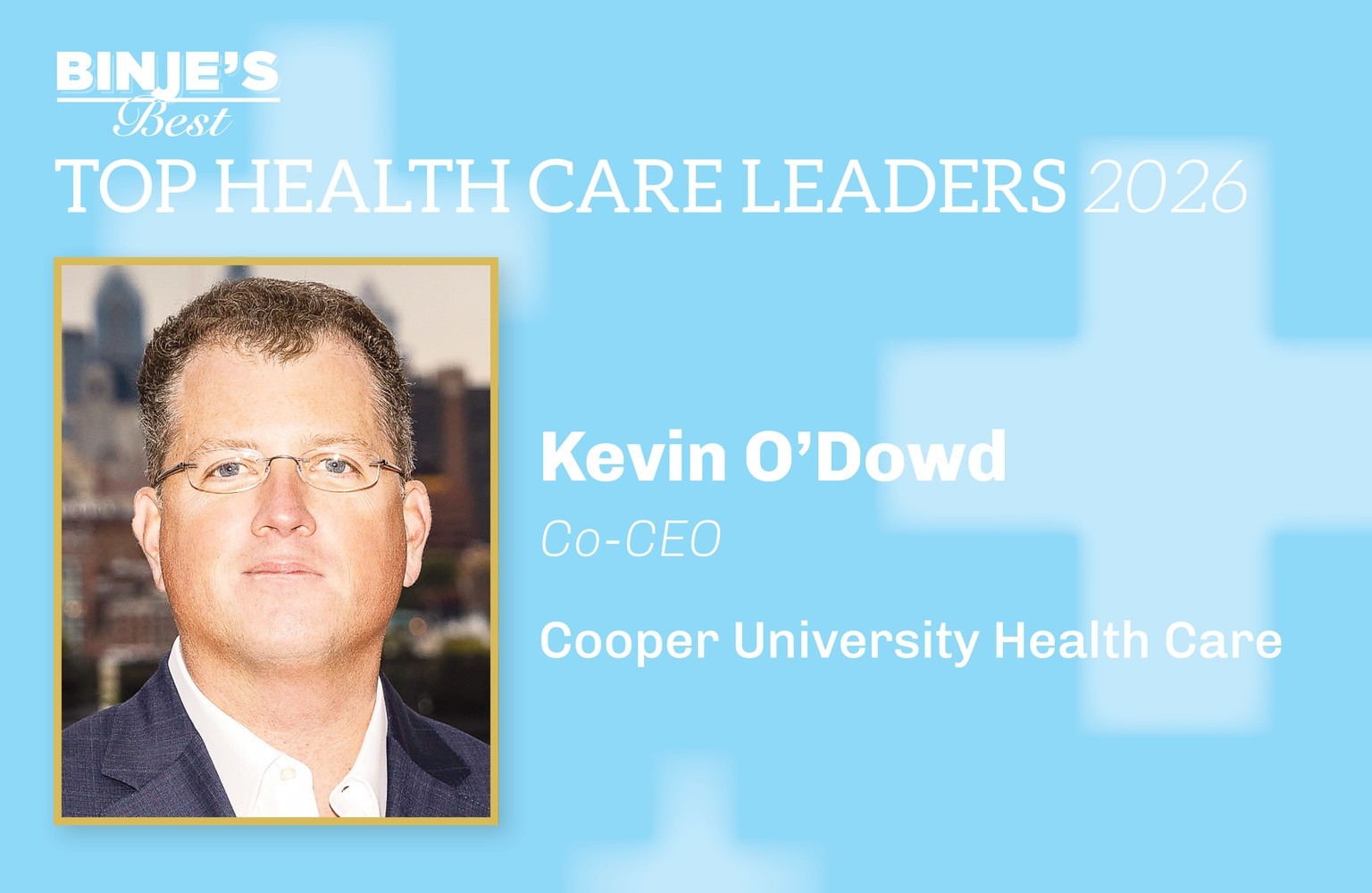
Kevin O’Dowd
Co-CEO
Cooper University Health Care
O’Dowd brings policy, governance and strategic-planning expertise to Cooper’s explosive growth. He oversaw the full integration of Cape Regional Health System and the announcement of a $300 million outpatient campus that will redefine Cooper’s South Jersey footprint. The system’s historic $100 million donation will drive major investments in cancer, neuroscience and medical education. Cooper earned recognition as Forbes’ Best in State Health Employer and a 2026 Wellbeing First Champion for its leadership in mental-health transparency. O’Dowd also expanded nursing-pipeline partnerships with Drexel and advanced Cooper’s community-health strategy. His leadership ensures Cooper’s growth is matched by financial strength, workforce investment and deep regional engagement.

Dennis Pullin
CEO
Virtua Health
Pullin continues to lead Virtua as one of South Jersey’s most community-focused systems. After the proposed ChristianaCare combination ended in late 2025, Virtua doubled down on independent growth. In 2026, Virtua became the first in the region to offer robotic Whipple surgery for pancreatic cancer, expanded food-access and social-determinant programs, advanced maternal-health initiatives and pushed forward with renovation projects across its hospitals and ambulatory sites. Virtua strengthened behavioral-health and primary-care access, particularly in underserved neighborhoods, and continued expanding partnerships across Burlington, Camden and Gloucester counties. Pullin’s strategy centers on equity, prevention and neighborhood-based care, keeping Virtua a leading voice on community health and innovation.
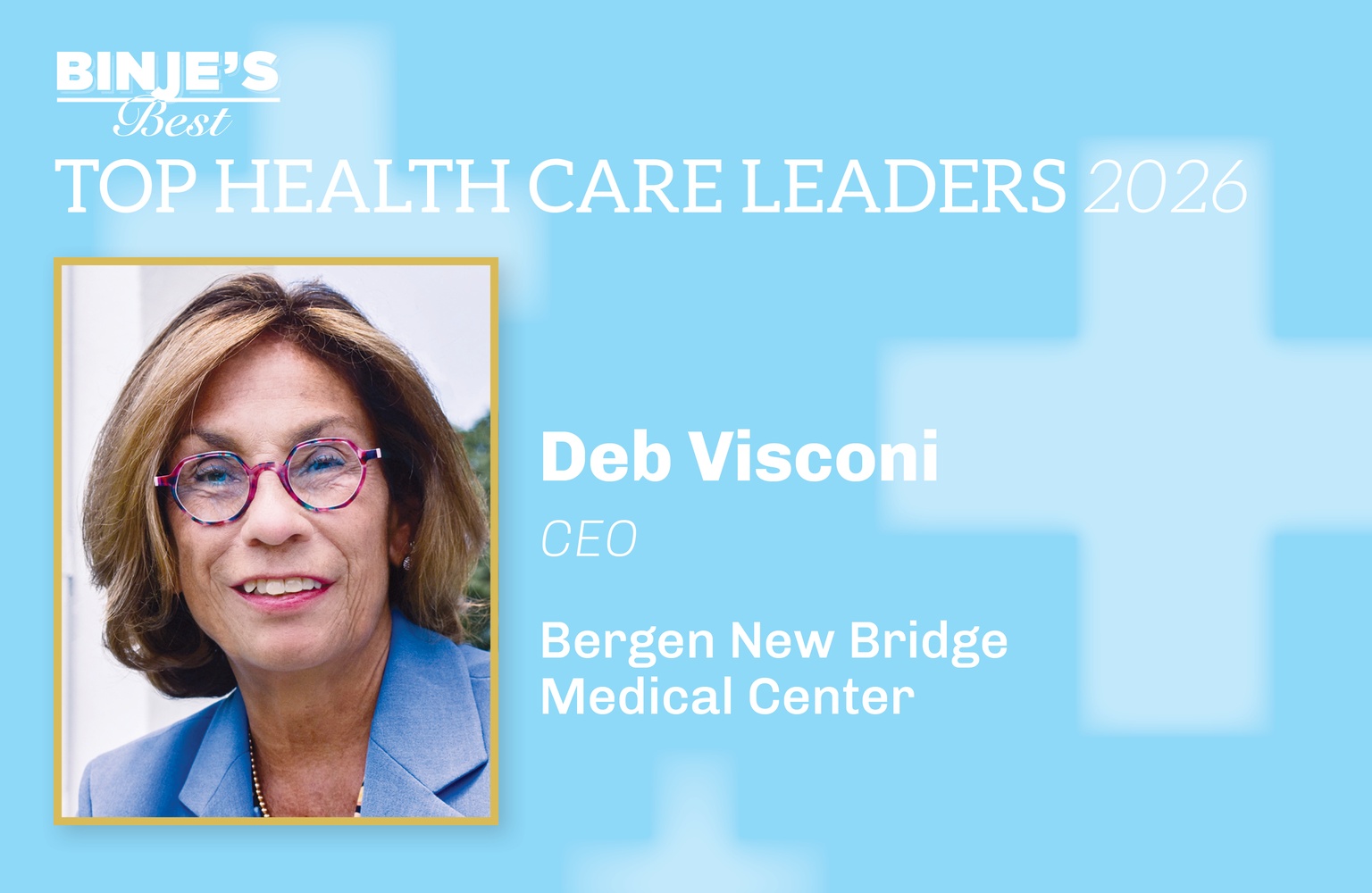
Deb Visconi
CEO
Bergen New Bridge Medical Center
Visconi, who leads New Jersey’s largest hospital, now chairs the New Jersey Hospital Association’s board, giving her a prominent statewide platform on access, workforce and behavioral health. Under her leadership, Bergen New Bridge earned global recognition for cutting cervical-cancer follow-up costs by $3.7 million, rebuilt its emergency department into a “bigger front door” for community access and expanded addiction, mental-health and diagnostic services. The system strengthened partnerships with county government and advanced equity-focused initiatives across Bergen County. Visconi’s tenure has transformed Bergen New Bridge into a modern, inclusive safety-net institution — one that pairs innovation with deep community commitment and remains a critical anchor for vulnerable populations.


