


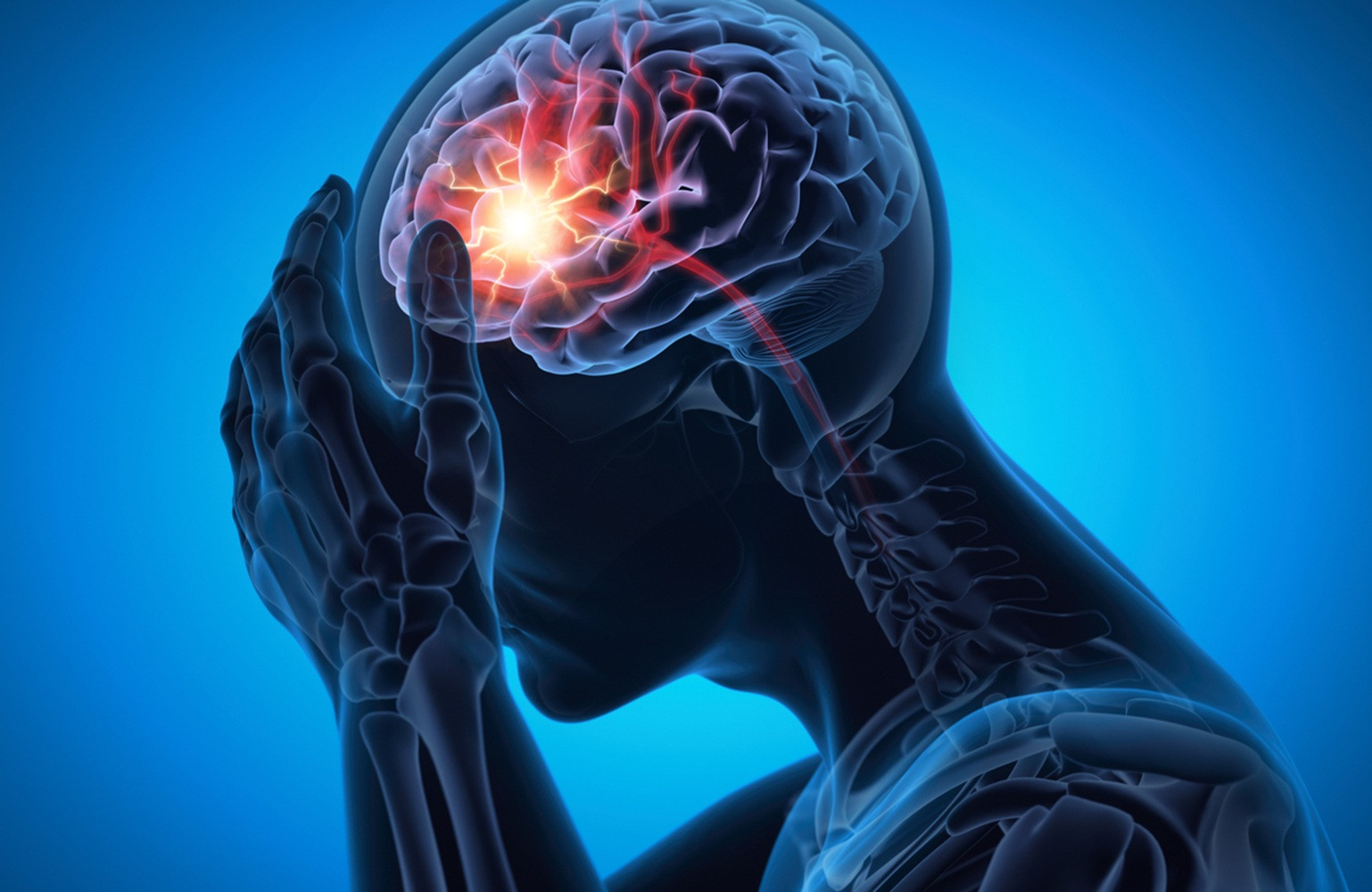
With stroke affecting approximately 1 in 4 adults in their lifetime, rapid medical intervention is a matter of life and death. Now, pioneering research led by a New Jersey physician is transforming how emergency healthcare professionals predict and prevent strokes before they happen.
Dr. Shadi Yaghi, Professor and Chair of Neurology at the Hackensack Meridian Neuroscience Institute at Jersey Shore University Medical Center, alongside a team of researchers, has developed an innovative web-based calculator. Published in the Journal of the American Heart Association in June 2026, the tool uses a patient’s existing electronic medical records—such as age, prior strokes, and vascular health—to accurately predict their risk of suffering a stroke within 30 days of a surgery or medical procedure.
The calculator empowers emergency and surgical care teams to quickly identify high-risk individuals and customize pre-surgery protocols. Interventions can include optimizing medications, managing blood pressure, or postponing elective procedures until a patient’s health is stabilized.
 For patients, the transparent tool fosters shared decision-making, ensuring individuals fully understand their personal health risks before consenting to an operation.
“Ultimately, utilizing this predictive tool allows medical teams to take proactive, life-saving measures that prevent debilitating complications, leading to safer surgeries and better long-term recoveries,” Dr. Yaghi said. “This will add to HMH’s already robust and nationally recognized stroke emergency and rehabilitative care services, and benefit the New Jersey communities we serve.”
Hackensack Meridian Health (HMH) plans to integrate the predictive calculator into emergency stroke care systems across all of its medical centers, a move designed to accelerate care delivery and improve patient outcomes.
HMH currently operates a robust network of stroke care facilities licensed by the NJ Department of Health and Senior Services, including:
- Three Comprehensive Stroke Centers: Hackensack University Medical Center, JFK University Medical Center, and Jersey Shore University Medical Center, which hold the most advanced designations to handle complex cases.
- Nine Primary Stroke Centers: All 12 HMH stroke facilities are recognized by the American Heart Association / American Stroke Association for exceptional, evidence-based care.
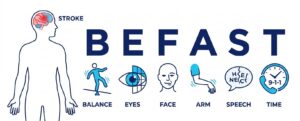
Recognizing Stroke Symptoms: B.E.F.A.S.T.
As health officials emphasize the critical importance of early action, the public is reminded to use the B.E.F.A.S.T. acronym to spot stroke warning signs:
- Balance loss
- Eye changes or vision loss
- Face drooping
- Arm weakness
- Speech difficulties
- Time to call 9-1-1
New Jersey residents interested in evaluating their personal health risks can also take an online stroke risk assessment quiz provided by Hackensack Meridian Health at www.hackensackmeridianhealth.org.


