


In a sweeping effort to modernize regional communications and close the digital divide, telecommunications giant AT&T announced it has invested nearly $2 billion into its New Jersey network infrastructure over a four-year period spanning 2021 to 2025.
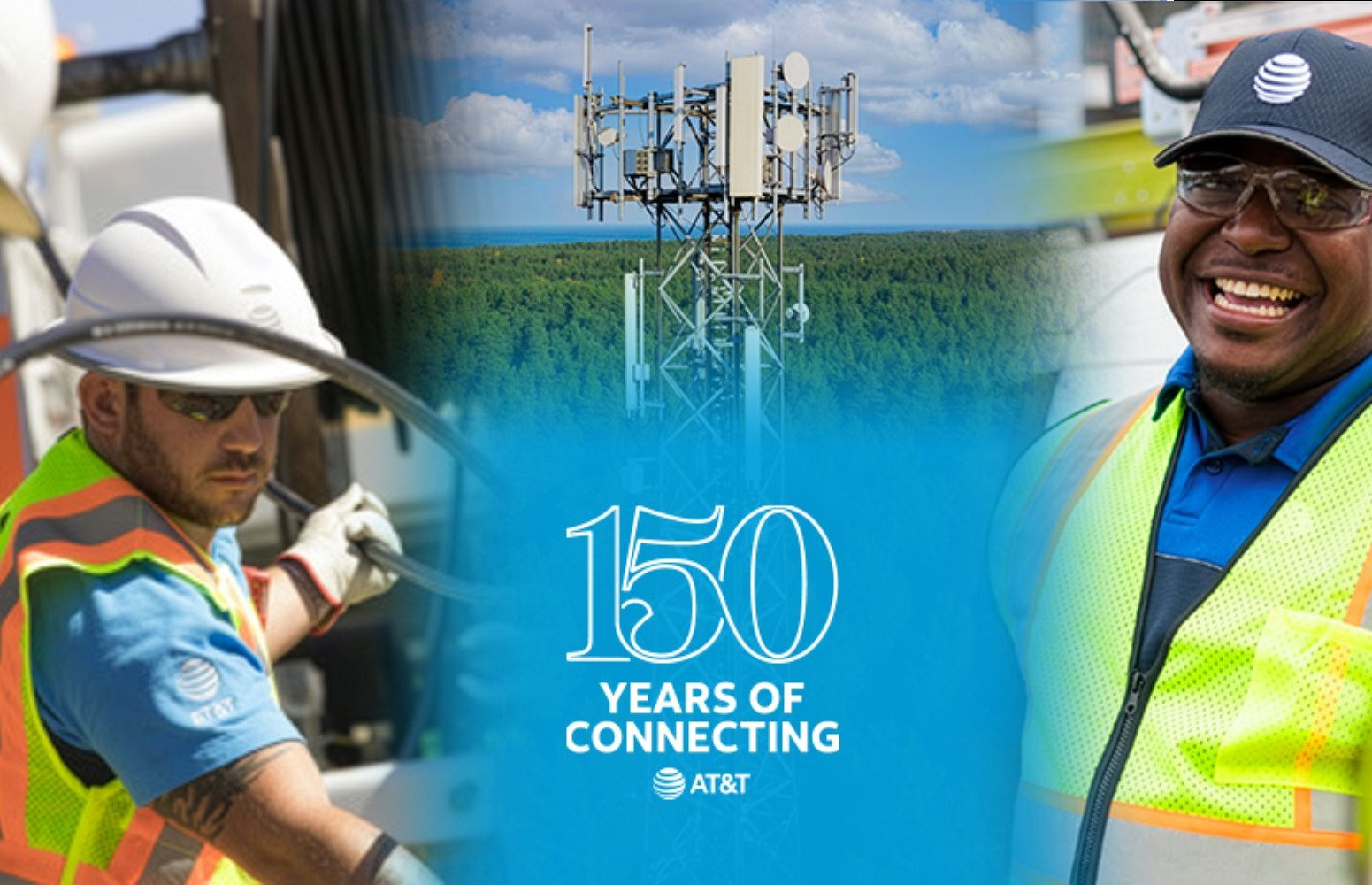
The capital injection is part of a newly unveiled, larger national milestone. Commemorating the 150th anniversary of Alexander Graham Bell’s historic first telephone call, AT&T is embarking on a massive $250 billion long-term investment into advanced U.S. connectivity to secure high-speed network resilience for future commerce.
The impact of AT&T’s network funding is distributing rapidly across both municipal corridors and coastal tourism hubs throughout the Garden State:
- Atlantic City-Hammonton: Nearly $30 million allocated to strengthen commercial transit lines and seasonal tourism nodes.
- Ocean City: More than $20 million injected to fortify coastal broadband stability and summer population surges.
- Trenton-Princeton: Upwards of $35 million deployed across the state capital’s research, academic, and legislative corridors.
- NY-Newark-Jersey City Metro Market: A monumental $3.5 billion footprint dedicated to optimizing the high-density economic engine of northern New Jersey and the surrounding metropolitan area.
A primary focus of the New Jersey expenditure centers on optimizing wireless data limits and launching “Internet Air,” AT&T’s newly rolled-out fixed wireless residential home internet service.
To handle intense mobile traffic density, engineers have systematically rammed up 5G spectrum performance at primary state entertainment venues, including MetLife Stadium in East Rutherford and Red Bull Arena in Harrison. Concurrently, the provider is deploying low-band 5G spectrum across less densely populated, rural agricultural pockets of the state to standardize coverage.
Looking toward future off-grid blind spots, AT&T highlighted its developing partnership with AST SpaceMobile, an initiative aimed at eventually delivering direct-to-cell satellite broadband connectivity—encompassing voice, text, and data—to remote locations.
Beyond civilian use, a critical share of the infrastructure spend fortifies New Jersey’s emergency response frameworks. AT&T acts as the primary builder of FirstNet, the nation’s dedicated, high-priority network for emergency personnel.
The company has successfully integrated Band 14—a specialized, high-security wireless spectrum reserved exclusively for emergency communications during crises—across more than 1,400 cellular sites statewide. This network priority protects first responders from commercial cellular congestion during extreme weather events or public safety incidents. Additionally, the network is introducing FirstNet Fusion, a mission-critical push-to-talk platform built to seamlessly link disjointed local radio systems and wireless carriers onto one encrypted channel.
The infrastructure campaign is pairing with a philanthropic commitment to narrow the digital divide, with AT&T pledging $5 billion globally by 2030 to assist 25 million people in securing affordable web resources.
Highlighting local execution, AT&T launched New Jersey’s first AT&T Connected Learning Center at the Raritan Bay Area YMCA in Perth Amboy.
The dedicated community space provides low-income students and neighborhood families with direct, free access to high-speed AT&T Fiber internet, modern computers, robust managed Wi-Fi, and integrated digital literacy resources designed to help local residents participate fully in the modern digital economy.


