


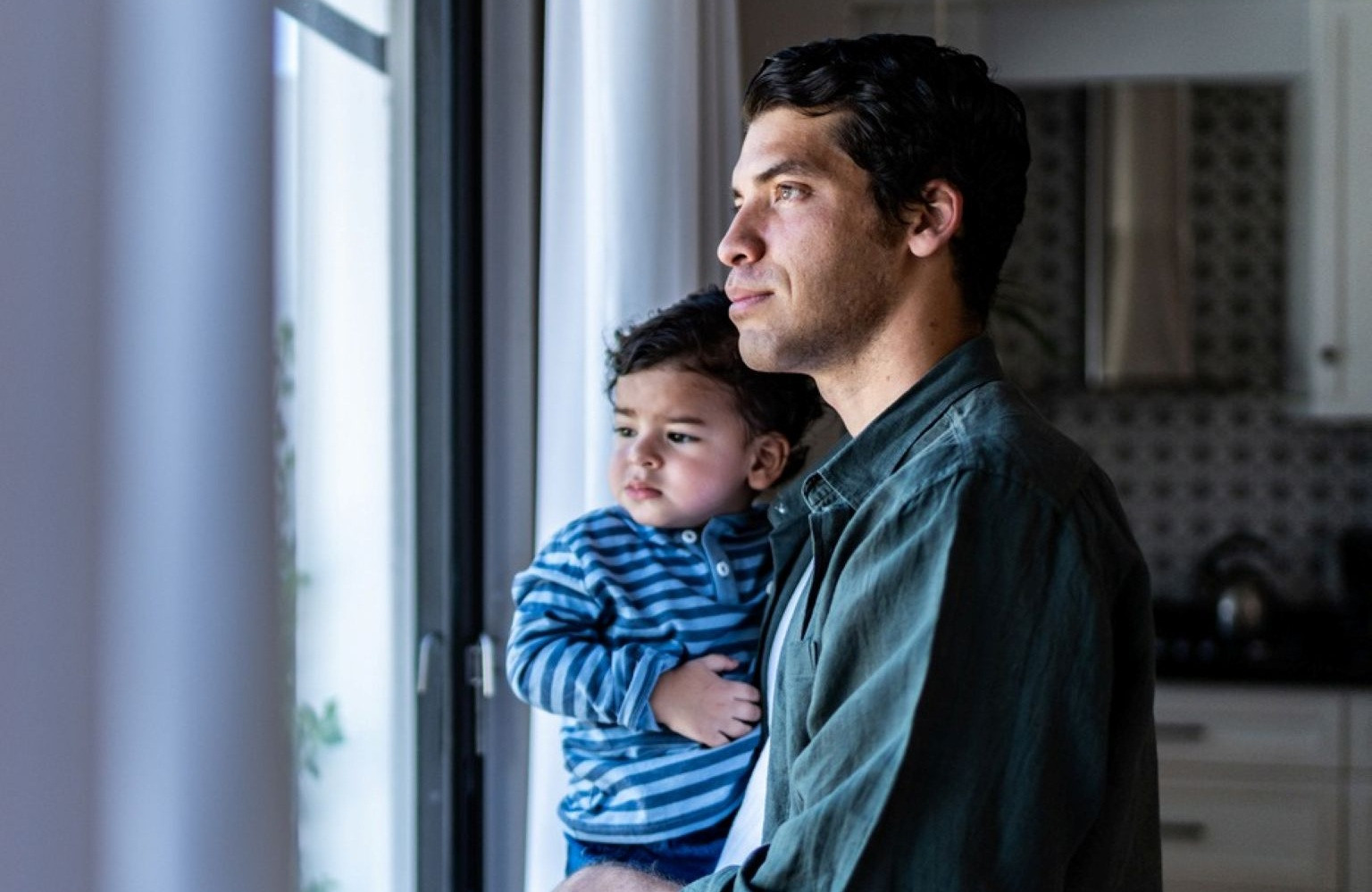
While the emotional toll of childbirth on new mothers is widely recognized, a hidden mental health crisis is quietly affecting new fathers. Recent clinical data and psychological studies reveal that approximately 1 in 10 men experience paternal postpartum depression (PPD)—a number that skyrockets to 50% if their partner is also experiencing postpartum depression.
Despite the prevalence of the condition, expert estimates suggest that only 10% of these cases are officially recorded. The vast majority of struggling fathers continue to suffer in silence, trapped between biological shifts and heavy societal expectations.
A common misconception is that postpartum depression is purely tied to the physical toll of giving birth. However, researchers are finding that men undergo significant biological changes during the perinatal period.
“They often experience hormonal shifts, including decreased testosterone and increased estrogen and cortisol,” explains psychologist Brett Biller, director of mental health at the Audrey Hepburn Children’s House at Hackensack University Medical Center.
According to Biller, these shifts are evolutionary mechanisms designed to increase a father’s attachment to his offspring. Unfortunately, they also leave men more vulnerable to clinical depression and anxiety. When combined with environmental stressors like severe sleep deprivation, financial pressures, and shifting relationship dynamics, the psychological toll can be immense.
Detecting paternal PPD is uniquely challenging because it rarely matches the traditional image of depression. While mothers may exhibit visible sadness or withdrawal, men are far more likely to manifest symptoms outwardly.
| Maternal Postpartum Symptoms (Common) | Paternal Postpartum Symptoms (Common) |
| Sadness and crying | Irritability, anger, and aggression |
| Emotional withdrawal | Social isolation and burying oneself in work |
| Internalized anxiety | Increased alcohol or substance use |
| Chronic fatigue | Physical pain (headaches, stomachaches) |
When left untreated, these symptoms can create a damaging ripple effect across the household, straining the parental relationship and increasing the risk of early language deficits and behavioral issues in their children.
If so many men are struggling, why are so few getting help? Experts point to a mix of low public awareness and rigid societal gender roles.
Many men simply do not realize that paternal PPD is a legitimate medical condition. They interpret their struggles as personal failures. The societal expectation to be the “rock” or the “stoic provider” for the family creates intense feelings of guilt and shame.
Furthermore, data published in JAMA highlights that this pressure acts like a ticking time bomb. The study tracked a 30% surge in depression and psychiatric conditions in fathers a full year after the baby was born compared to their mental health during the pregnancy. This suggests that while fathers try to suppress their stress early on, the cumulative toll of fatherhood eventually catches up to them, exposing a massive gap in long-term postnatal support.
Recognizing the signs is the first step toward recovery. Psychologists emphasize that seeking help is a sign of strength, not weakness, and that paternal PPD responds exceptionally well to treatments like Cognitive-Behavioral Therapy (CBT).
Health care organizations are actively working to build dedicated spaces for men. For example, Hackensack Meridian Health now offers Productive Parent Coaching (PPC) groups specifically designed for fathers. These groups give men an exclusive, safe environment to validate their feelings, learn emotional management techniques, and navigate parenting milestones alongside peers going through the exact same struggles.


