


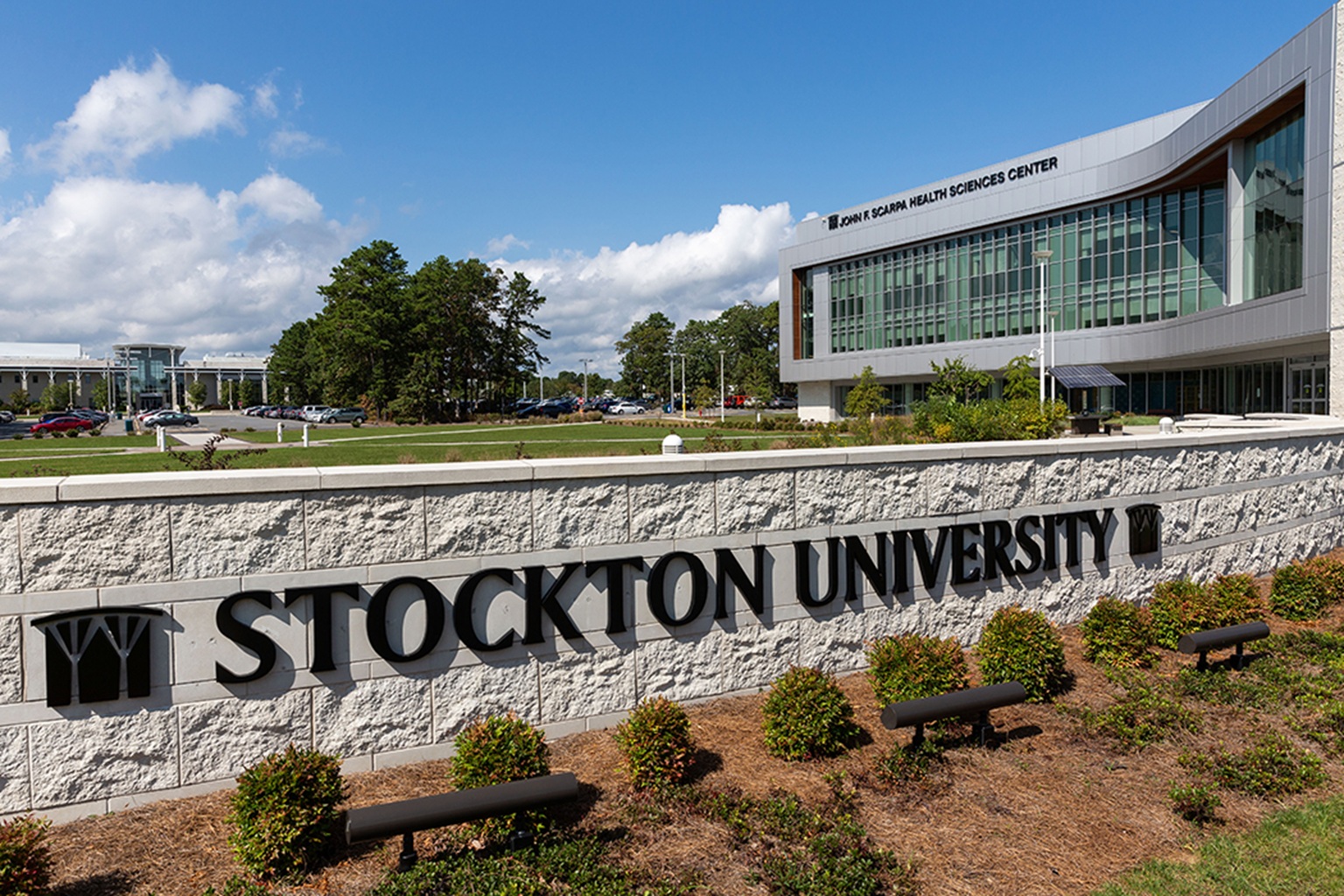
New Jersey voters are evenly divided over data center development nationally, but opposition grows considerably when proposed facilities move closer to home, according to the latest poll from the William J. Hughes Center for Public Policy at Stockton University.
Voters are evenly split on the construction of data centers in the U.S., with 40% in support and 40% opposed. When asked about data center development in New Jersey, opposition rises to 52% compared with 29% support, and when it comes to construction in their own town, nearly two-thirds (65%) oppose development while just 18% support it.
This much is clear.
“Not-in-my-backyard sentiment is real, but it isn’t the whole story,” said Alyssa Maurice, assistant director of the Hughes Center for Public Policy. “Twice as many voters oppose data centers at any proximity, so there is a broader ideological pushback at play.”
What’s not clear is this: Whether people understand data centers built anywhere in their region impact them the same. (Kate Gibbs of ELEC was the latest to shine light on this situation in BINJE.)
Asked to identify their biggest concerns about data centers, voters most frequently selected these items (they could pick up to three):
- Higher electricity bills (45%);
- Effects on the water supply (43%);
- Artificial intelligence (24%);
- Llack of transparency (22%);
- Insufficient government oversight (22%).
Voters were also asked to identify any upsides. The most commonly cited benefits were:
- Good-paying jobs (33%);
- Increased property tax revenue for the town (29%);
- Helping New Jersey compete in the technology economy (27%).
However, 1 in 5 (20%) say data centers bring no benefits at all.
Voters who report knowing more about data centers are also more likely to oppose local development. Among those who say they know at least a fair amount, 73% oppose a data center in their town, compared with 55% of those who say they know little to nothing.
“Towns facing proposals are likely to have more organized opposition or local news coverage,” Maurice said. “Once these projects move from an abstract policy debate to something happening in their own community, concerns about costs and quality of life become much more concrete.”
Republicans are the most supportive group, but even they are more likely to oppose a data center in their town (44%) than to support one (36%). Among Democrats, 72% oppose a local data center. Democrats are also more than twice as likely as Republicans to say data centers harm communities (56% vs. 24%).
Women are more likely than men to oppose data centers at every level (43% vs. 32%). Men are about twice as likely to support them at every level (24% vs. 11%).
Among consistent supporters, as in those who back data centers at every level, a plurality (42%) say they have little impact either way on host communities.
Here’s the number that those involved need to know.
Voters place little trust in the stakeholders shaping data center development to look out for their best interests. Around two-thirds say they have little to no trust in utility companies (67%) or technology companies (64%).
The poll of 667 registered voters was sponsored and conducted by tage of this post.
Yhe William J. Hughes Center for Public Policy at Stockton University, and it has a margin of error of +/- 3.8 percentage points.
It followed a poll earlier this month from Rutgers-Eagleton.


