


Christian Kane set out to create an inclusive place where his son Gavin and other children with disabilities could play. That vision has grown far beyond a playground.
In 2012, a car accident left his toddler son Gavin with a traumatic brain injury and largely dependent on a wheelchair. The Kanes were an active family of eight, but after the accident, many of the parks and playgrounds they once visited were inaccessible to Gavin.
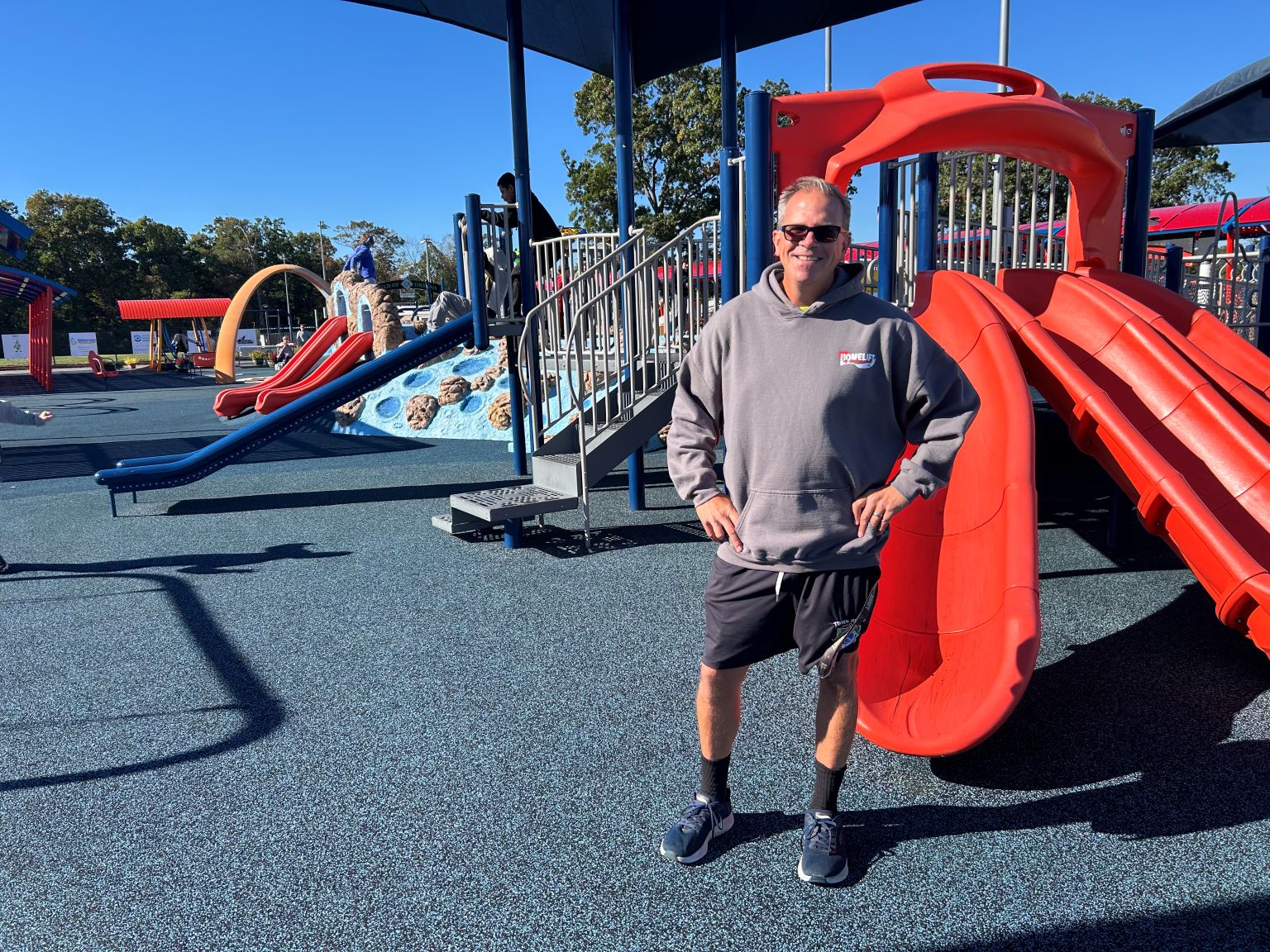
Christian and his wife Mary set out to build a place where children of all abilities could play together. Their efforts eventually resulted in a $3.6 million recreation complex in their hometown of Toms River. Bringing it to life relied on support from corporate sponsors, local partners, community fundraising, and state and local government.
The biggest boost came from RWJBarnabas Health. Gavin was a patient at their Children’s Specialized Hospital, and Christian convinced RWJBarnabas Health to sign on as primary corporate title sponsor. This project fit RWJBarnabas Health’s broader efforts to support inclusive community programs.
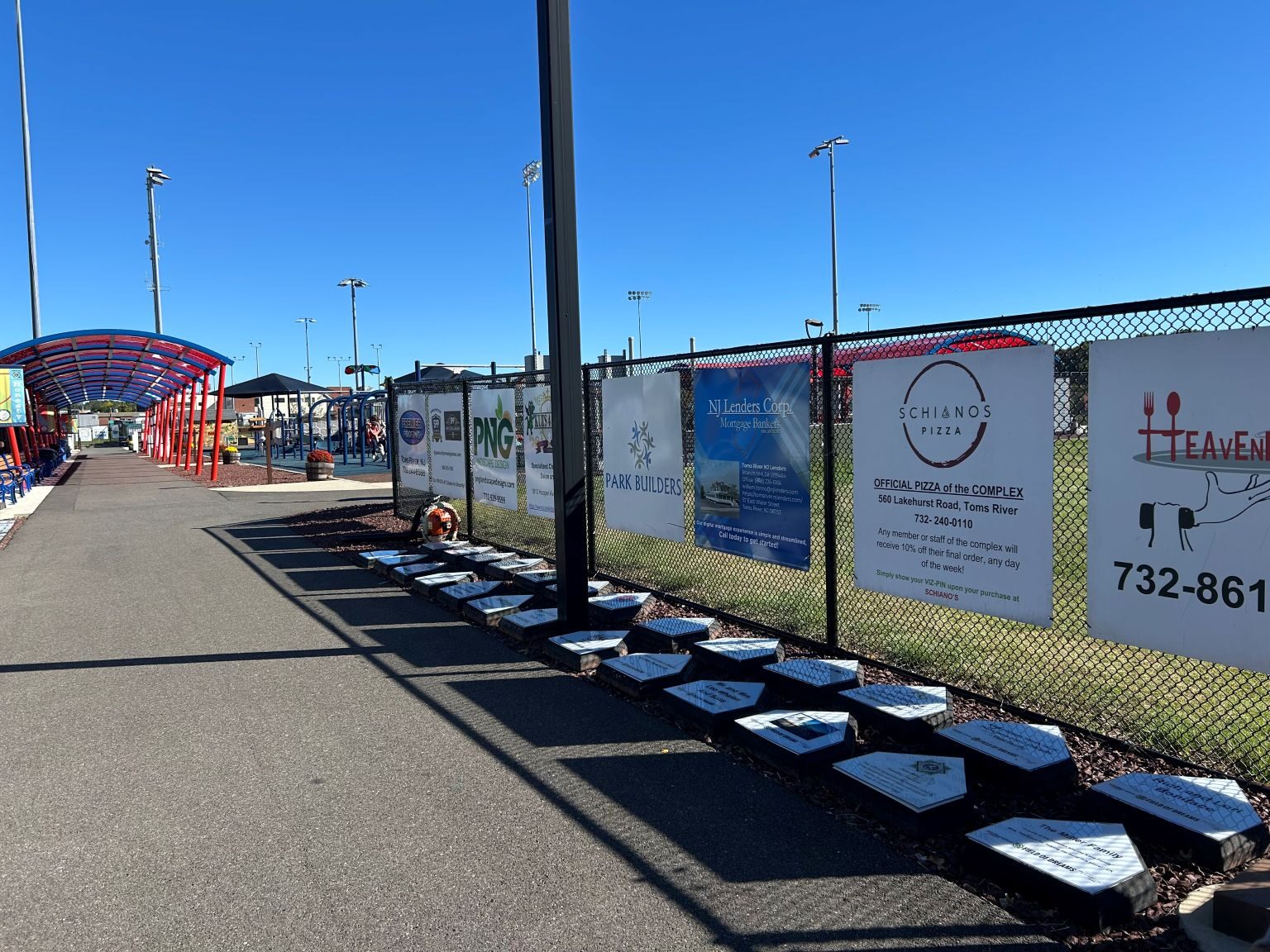
Toms River donated the 3.5-acre parcel of parkland for the complex, and the fiscal 2022 state budget included a $400,000 grant to help finish it. Former professional baseball player Todd Frazier, who grew up in Toms River, donated $50,000, and Lowe’s helped build a community garden. Naming rights were purchased by dozens of local businesses.
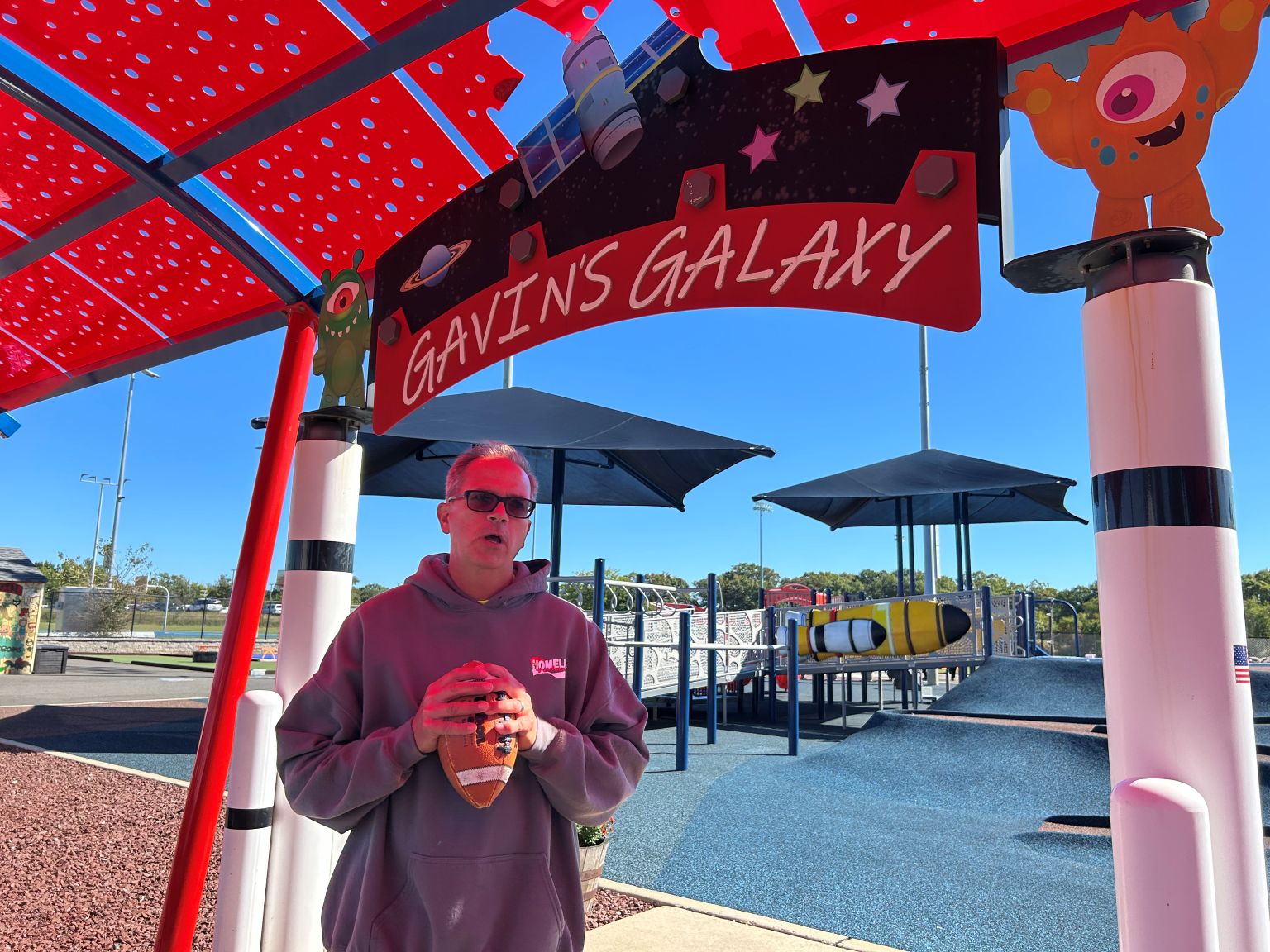
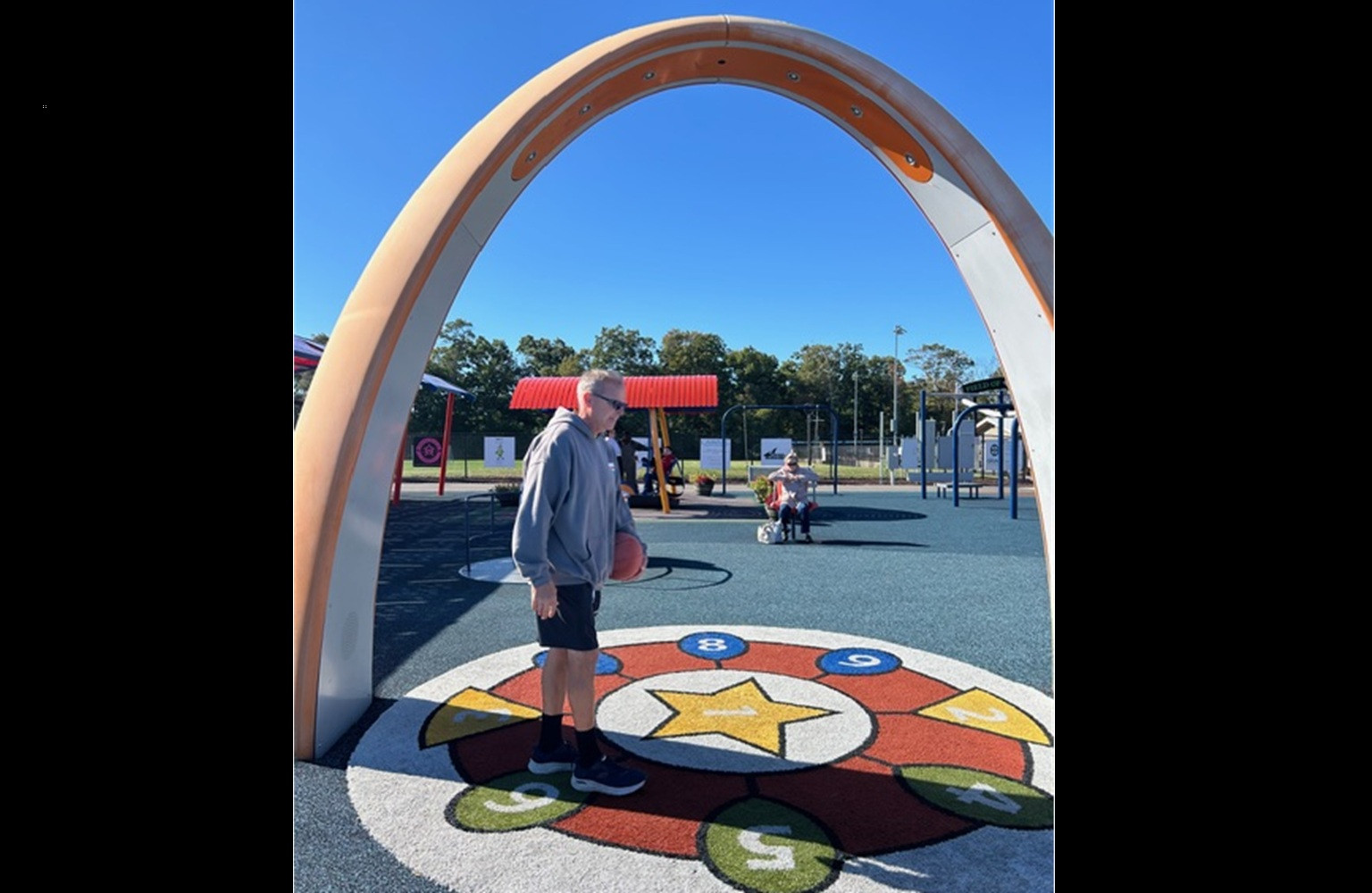
The RWJBarnabas Health Field of Dreams complex opened in 2022. Beyond its playground, the complex includes a multi-purpose turf field, basketball court and miniature golf course, along with accessibility features such as wheelchair-friendly equipment, a quiet space for individuals with autism and powered changing stations for caregivers.
Children’s Specialized Hospital oversees day-to-day operations and annual programming. Kane continues to lead fundraising efforts to sustain operations, expand opportunities for adults with disabilities and keep membership free for families.
Kane spoke with BINJE about the challenges still ahead and his vision for the organization’s next chapter. His answers have been edited for length and clarity.
BINJE: When you look at Field of Dreams today, what part of the vision are you most proud to have brought to life?
KANE: The idea was to build a safe place for those living with special needs. We wanted to create an environment in which the entire special needs family could enjoy typical events. When we first opened our complex, the focus was on supporting children with special needs. Since then, the vision has become much clearer. Adults with special needs often have no true place or path. Over the next few years, I hope our complex can create 400-500 job experiences for our adult members with special needs while preparing adolescents with special needs for future employment through organized events and activities.
BINJE: The specialized equipment throughout the park, including wheelchair-accessible swings and trampolines, is something many families can’t find elsewhere. How did you approach investing in those features?
KANE: I was introduced to the special needs community because of the car accident involving my son Gavin. Mary and I began bringing Gavin back to public playgrounds in 2015 and were appalled at the lack of interactive and engaging equipment available.
At RWJBarnabas Health Field of Dreams, the equipment throughout the complex allows people of all abilities to engage with others, interact face to face, use equipment for therapy, and experience truly inclusive play.
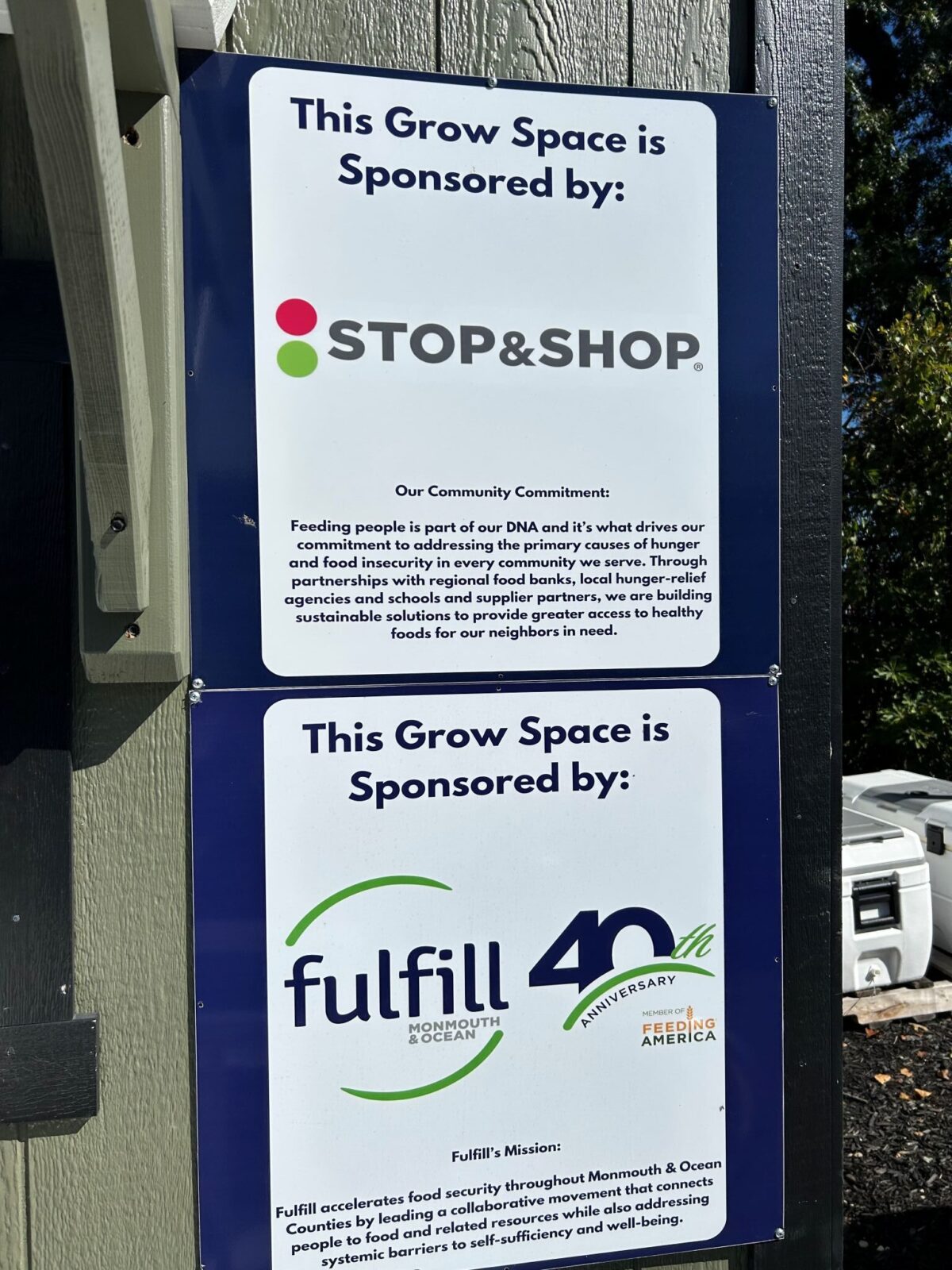
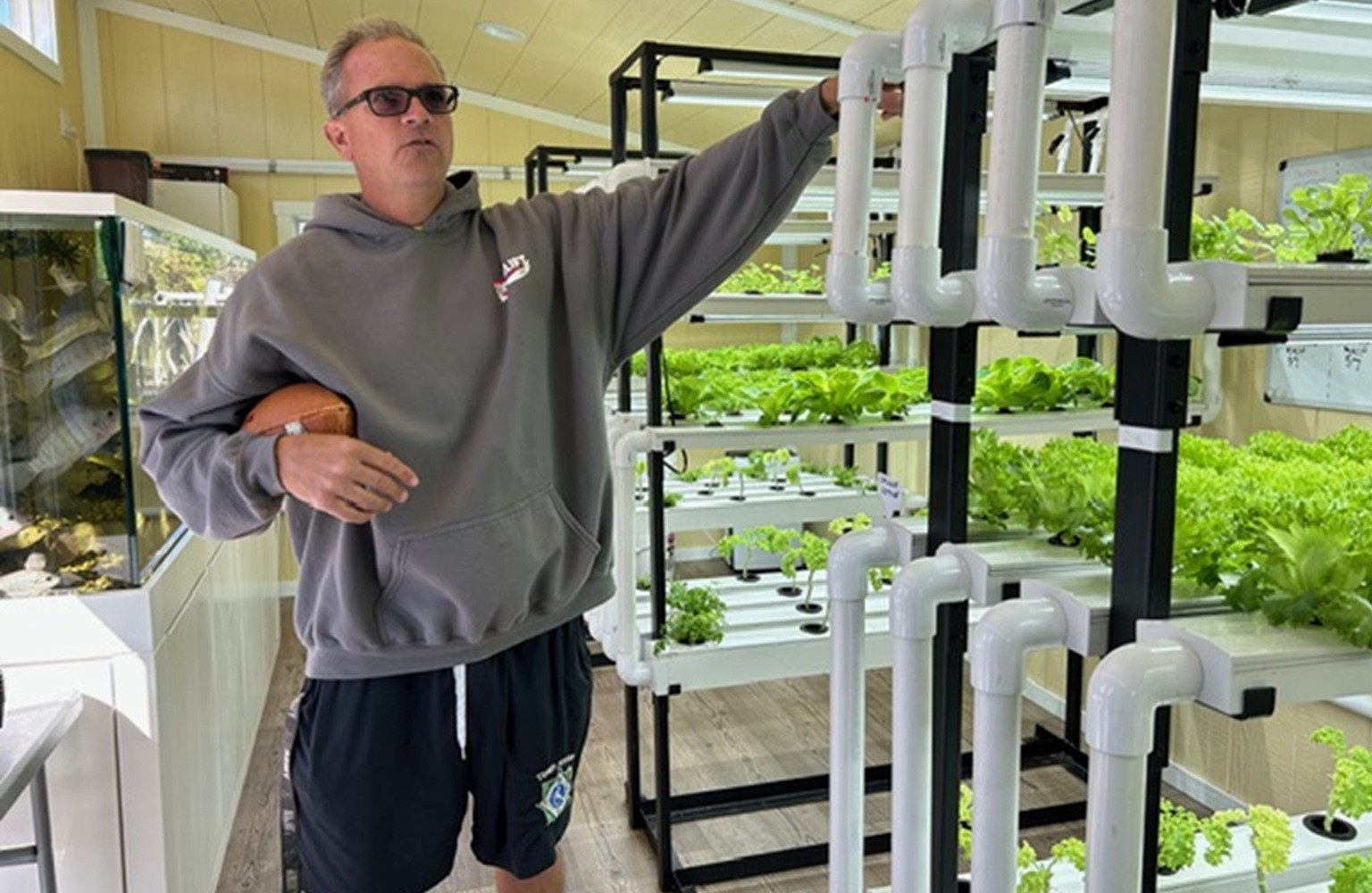
One feature our families won’t find anywhere else in New Jersey is our Grow Space. A 12-by-30 foot shed holds two aquaponic fish tanks with 150 tilapia fish and four hydroponic growing shelves. It gives families the opportunity to learn about healthy eating and diet as well as the process to grow fresh produce through the use of fish water and waste.
BINJE: When a corporate leader asks why supporting Field of Dreams is a smart investment, what do you tell them?
KANE: There are two things I tell corporate leaders. First, my son’s accident could have happened to anyone. In an instant, he went from being a typical child to needing around-the-clock care. My wife and I have dedicated our lives to giving him the best life possible while raising five other children and building this organization. Companies that support the complex become part of that mission.
Second, our 4,300 registered families and the more than 10,000 people who visit the complex each year are incredibly loyal supporters. More than 65 companies support the complex, and families recognize those businesses as advocates for our mission.
BINJE: The gardens and nursery add a different dimension to the experience, creating a place that’s not just about recreation but also reflection and connection. Why was it important to include those spaces as part of the overall vision?
KANE: Our Community Garden began in 2022 with five raised beds funded through a community grant. As I watched adults with special needs work together in the garden, I noticed how much they enjoyed interacting with each other and their caregivers.
Today, the Community Garden includes 165 beds and produces nearly 8,000 pounds of fresh produce annually for Fulfill, the food bank serving Monmouth and Ocean counties. We are now the largest nonprofit provider of fresh produce to Fulfill, and it’s inspiring to have more than 300 adults with special needs participate in the program. Through the Community Garden operation, we are empowering special needs adults (21+) to become active contributors to their community through meaningful work that addresses the growing issue of food insecurity.
BINJE: You’ve discussed the possibility of making Field of Dreams more of a 10-month destination. What opportunities do you see for expanding the visitor experience beyond the traditional season?
KANE: Currently, the complex operates for about eight months each year. Our biggest challenge is that we do not have an enclosed space that allows programming to continue during inclement weather.
Our 4,300 member families regularly ask whether we can create opportunities for year-round programming. The most practical solution would be to enclose our 40-by-100-foot pavilion and add heat and lighting. That would allow us to extend programming well beyond the current season. We hope to secure grant funding or a major donation to make that vision a reality.
BINJE: The statue and the memorial at the entrance set a powerful tone before people even reach the playground. Tell me about it.
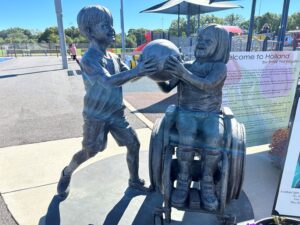
KANE: Brian Hanlon, the internationally known sculptor who has created every NBA Hall of Fame bust since 2015, lives in Toms River. He became familiar with our family’s story and visited our home while looking for inspiration for a sculpture for the complex.
He created a model depicting a typical boy holding a basketball alongside a young girl in a wheelchair wearing leg braces. The inspiration came from a photograph of Gavin playing basketball shortly before his accident. At the time of the accident, my wife was pregnant with our youngest daughter, Scarlette.
Brian’s vision was to imagine Gavin as the typical child he was before the accident and place the disability on another family member. For my wife and me, the sculpture is a powerful reminder that everyone deserves the opportunity to participate fully in community life.
BINJE: This project has become part of your legacy, but it’s also intertwined with your family’s story. As your children watch Field of Dreams continue to grow, what do you hope they learn from what you’ve built here?
KANE: When Gavin’s accident happened, our four older children knew him as an energetic and nonstop toddler. Scarlette, our youngest, only knew him as the brother who required constant care and attention.
All five of our children grew up witnessing the lack of accessibility and opportunities available to people with special needs. They also watched their parents devote years to creating a place where those barriers could be removed.
It’s probably no surprise that our oldest daughter, Brielle, now serves as program director, Jillian manages social media, Hailey leads our weekend staff, and Scarlette has already completed 50 hours of community service at the complex this year.
BINJE: What does success look like for Field of Dreams over the next decade? Is it more visitors, new programming, deeper partnerships, or something else entirely?
KANE: We would not be where we are today without the leadership and support from RWJBarnabas Health and so many other partners, sponsors, donors and members of the community. Ten years from now, I hope enrollment continues to grow because it means more families are discovering the programs and opportunities we provide. Personally, I will consider the complex successful if every family can continue to participate at no cost. Keeping membership free has always been one of our most important goals. I would never want to hear a parent tell me, `We’d love to come, but we can’t afford it.’
BINJE: Many nonprofits struggle with long-term sustainability. How important is an endowment to securing the future of Field of Dreams, and what does financial stability mean for the families who depend on this place?
KANE: I’m a father of six, a math teacher for 27 years, one of my son’s biggest supporters, and the person who helped raise more than $6 million to build and maintain this complex. My wife, Mary, left her career in education after Gavin’s accident to become his full-time caregiver.
But despite everything we have accomplished, our work is not finished. The complex needs an endowment to ensure that special needs families never have to pay a fee to participate.
All 21 counties in NJ have at least one family registered, while 38 school districts and more than 20 organizations that cater to special needs adults (21+) utilize the complex for programs and special events. A $2 million endowment would help secure the future of more than 170 days of annual programming and ensure families can continue making memories together for years to come.


