


The Port Authority of New York and New Jersey has unveiled a proposed $10.3 billion capital and operating budget for 2027, directing billions of dollars toward major infrastructure overhauls at Newark Liberty International Airport, Port Newark, and the PATH rail system while ushering in scheduled toll and fare increases for New Jersey commuters in January.
The spending plan—comprising $4.5 billion in operating expenses, $4 billion in annual capital investments, $1.7 billion for debt service, and $100 million in deferred expenses—maintains momentum on multi-year regional upgrades without relying on tax dollars from New Jersey or New York.
“The Port Authority has a responsibility to invest in the future while taking care of the infrastructure that keeps it moving today,” Port Authority Chairman Kevin O’Toole said. “This proposed budget reflects both priorities equally, advancing generational transformations to our transportation network, while investing in critical state-of-good repair projects for our legacy facilities in both states.”
Major Investments Across New Jersey
For Garden State travelers, freight operators, and commuters, the $4 billion capital program targets several high-priority bottlenecks and aging facilities:
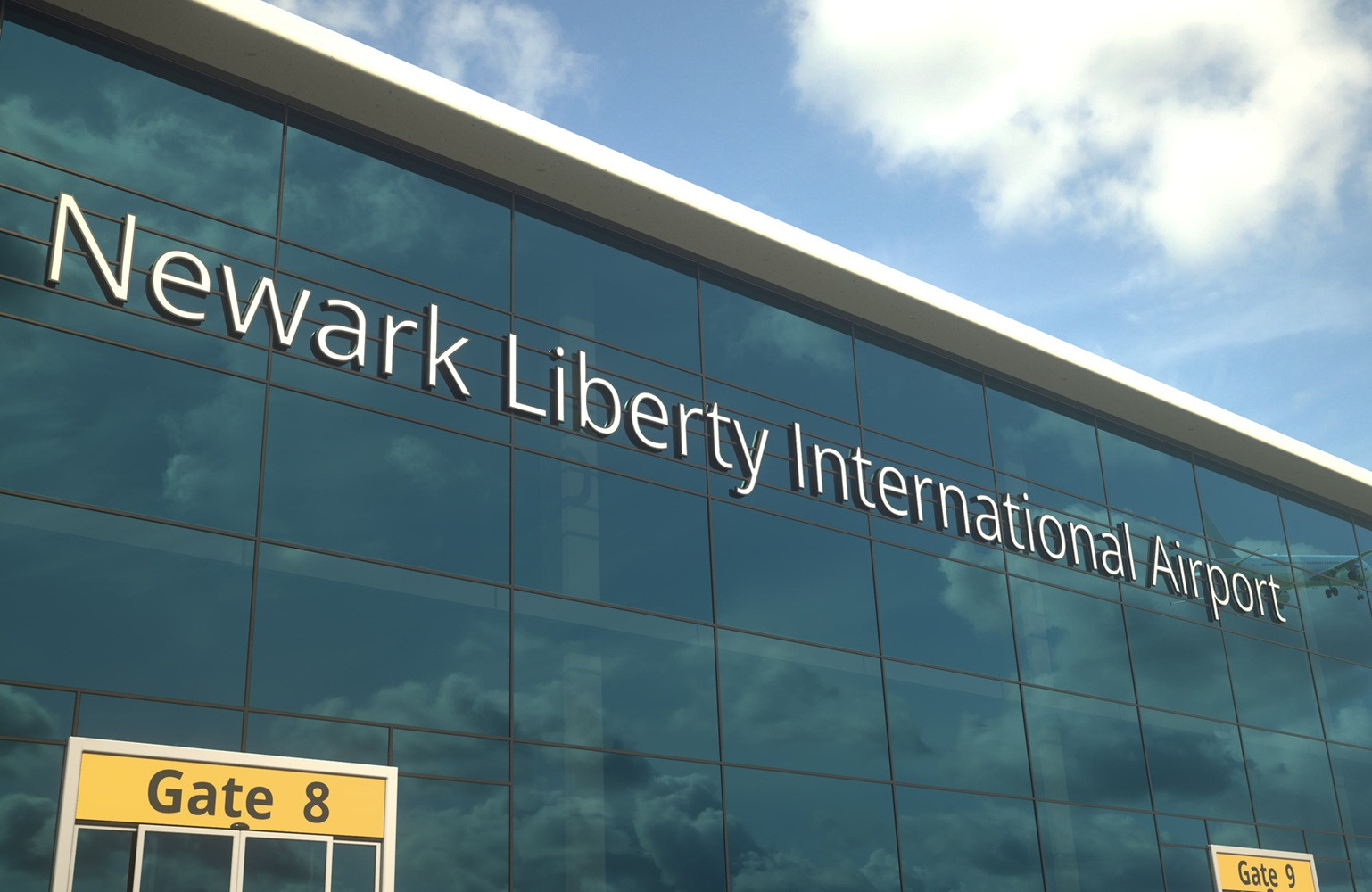
- Newark Liberty International Airport: Construction continues on a brand-new AirTrain Newark system to replace the aging monorail, alongside planning and design work for a new Terminal B and an expansion of gates at Terminal A. Next year also marks the first full year of operation for a new pedestrian and transit access point at the Newark Liberty International Airport Train Station, connecting historically underserved neighborhoods in Newark and Elizabeth directly to AirTrain, NJ TRANSIT, and Amtrak service.
- PATH Rail System: Capital funds will advance track and railcar upgrades to support a projected 67 million riders in 2027, building on the agency’s recently completed “PATH Forward” reliability program.The budget also funds construction on PATH’s new Substation No. 2 and supports intersecting Amtrak rehabilitation work on the Dock and Sawtooth bridges in New Jersey.
- Port Newark & Seaport Operations: Projected to handle 9 million twenty-foot equivalent units (TEUs) in 2027, the East Coast’s busiest container port will see continued work on the Port Street Corridor Improvement project—following the 2026 opening of the Corbin Street Ramp—alongside wharf rehabilitation and the start of construction to replace public berths at Port Newark. The operating budget also earmarks $21 million for maintenance dredging in commercial shipping lanes.
- Hudson River Crossings & Bus Transit: The capital plan funds ongoing work on the new Midtown Bus Terminal replacement—including Dyer Avenue deck-overs and new bus staging and storage facilities to ease congestion for New Jersey commuters—as well as continued “Restoring the George” structural upgrades on the George Washington Bridge and state-of-good-repair work at the Lincoln Tunnel helix and Outerbridge Crossing.
Because the self-funded bistate agency generates roughly 65% of its revenue from non-toll sources such as leases and third-party fees, the remaining budget relies on user tolls and fares. Under previously adopted board policies, New Jersey motorists and transit riders will see several scheduled rate adjustments take effect early next year:
- PATH Fares: Beginning Jan. 3, 2027, the single-ride PATH fare will rise by 25 cents to $3.50 as part of the agency’s 2026–2035 Capital Plan to fund expanded weekday and weekend train frequencies.
- Bridge and Tunnel Tolls: Crossing tolls at the George Washington Bridge, Lincoln Tunnel, Holland Tunnel, and Staten Island crossings will increase via an automatic inflation-based adjustment, combined with the third of four annual 25-cent hikes for autos and trucks approved in 2024.
- E-ZPass Off-Peak Discount Phase-Out: Drivers using E-ZPass during off-peak hours will see their discount reduced by 50 cents in 2027, marking the first step in a four-year phase-out of the off-peak auto discount.Annal scheduled adjustments to bus tolls and AirTrain fares will also take effect.
On the operating side, the proposed $4.5 billion budget represents a 5.7% increase over 2026 spending. It includes nearly $1 billion for facility maintenance—featuring an incremental $25 million dedicated to repairing damage from extreme weather across legacy infrastructure—and a record $1.1 billion allocation for physical and cybersecurity. That security funding will add a new academy class of 120 recruits to the Port Authority Police Department (PAPD) to offset upcoming officer retirements.
The Port Authority is accepting public comments on the proposed budget through its website until Dec. 15, 2026. The Board of Commissioners is scheduled to vote on final adoption at its Dec. 17 meeting.
For more background on how the agency’s multi-year spending plans tie into regional transit upgrades and commuter toll adjustments, check out Port Authority plans to hike tolls to help fund $9.3B budget.


