


A performing arts center books a touring act for one night. A community-based arts organization brings in a teaching artist for a six-week class. A museum hires a curator for a specific exhibition. A theater contracts with a designer for one production.
These arrangements are not attempts to avoid legitimate employment obligations.
They reflect how artists work and how arts organizations serve their communities.
At ArtPride New Jersey, we represent more than 400 arts and cultural organizations across all 21 counties.
Our members range from large institutions to small, community-based nonprofits, and they rely on artists and other creative professionals whose careers are often built across multiple organizations, projects, and communities.
New Jersey’s Department of Labor and Workforce Development has adopted new regulations governing the “ABC test” used to determine whether someone is an employee or an independent contractor.
The new ABC test presumes a worker is an employee, and the business or nonprofit must prove all three prongs of the test to establish independent contractor status.
If the entity fails one prong, it fails the test, therefore making the guidelines considerably more restrictive than before. The regulations become operative Oct. 1.
We want to be clear about what concerns us and what does not.
Workers should be protected from exploitation and deliberate misclassification. An employer should not be permitted to call someone an independent contractor simply to avoid wage requirements, payroll taxes, or other responsibilities while treating that person like a permanent employee. No worker should be coerced into contractor status or punished for questioning how they have been classified.
Those protections matter. But the new regulations may also have serious unintended consequences for artists who choose independent work and for the nonprofit organizations that engage them.
Under the ABC test, a paid worker is presumed to be an employee unless the hiring organization can satisfy all three parts of the test.
Prong A asks whether the worker is free from the hiring organization’s control or direction in performing the work. Prong B asks whether the work falls outside the organization’s usual course of business or takes place outside its places of business. That creates an immediate problem for the arts.
Consider a national touring act booked to perform for one night at a New Jersey performing arts center. The artists arrive with their own program, work at venues throughout the country, and have no continuing relationship with the presenter.
But the performing arts center is in the business of presenting performances, and the engagement takes place on its stage.
Should the center be required to treat those touring artists as its employees for that one performance?
Or consider a ceramic artist hired by a local arts council to teach one pottery class each week for six weeks.
The artist develops the curriculum, determines how to teach the class, and has no expectation of continuing work when the series ends. Should the arts council have to make that artist an employee for six weeks? Doing so does not create a full-time position or lasting job security. It may simply add cost and administrative risk to a limited engagement that both parties entered willingly.
Prong C presents another challenge. It asks whether the worker has an independent profession or business that would continue to exist apart from this particular engagement.
Many legitimate working artists do not have an LLC, a separate office, employees, or a steady list of clients. Their income may be seasonal or earned through a mix of performances, classes, commissions and other employment.
An emerging artist may still be building a portfolio and professional network. None of this means that the person is not pursuing an independent creative practice. It reflects the economic reality of an artistic career.
For nonprofit arts organizations, the consequences could be significant.
Small and mid-sized organizations operate with limited budgets and small staffs. Faced with uncertainty about classification, audits, and potential penalties, some organizations may decide that they cannot risk offering a class, hosting a residency, or presenting a visiting artist. The result would be fewer paid opportunities for artists and fewer programs for the communities these organizations serve.
Classification may also create uncertainty over intellectual property. A teaching artist’s curriculum, a choreographer’s work, a designer’s concepts, or a musician’s original material may be used across many engagements. Artists should not risk losing control of work they created simply because a short-term project is treated as employment.
We are not asking New Jersey to ignore misclassification or create a blanket escape from worker protections.
But we are asking the state to distinguish between continuing employment and a bona fide creative professional engagement.
A workable standard could require a written agreement that clearly identifies the project, its duration, compensation, and treatment of intellectual property.
It could confirm that the artist retains substantial creative or instructional discretion, may accept or reject engagements, and is not being used to displace a continuing employee position. Routine administrative and operational work, as well as ongoing positions performed under employment-like conditions, would remain subject to employee protections.
That approach would protect workers while recognizing the legitimate ways artists and nonprofit arts organizations work together.
With October 1 approaching, we join nonprofit, business and freelance advocates in asking Governor Sherrill to pause implementation until at least July 1, 2027.
That time should be used to develop clear, practical standards in consultation with workers, artists, nonprofit arts organizations, labor representatives, and legal experts.
New Jersey can enforce its laws against genuine misclassification while still allowing a musician to perform a one-night engagement, a teaching artist to lead a six-week class, and an independent artist to build a career across many organizations. The regulations should not take effect until they make that distinction clear.
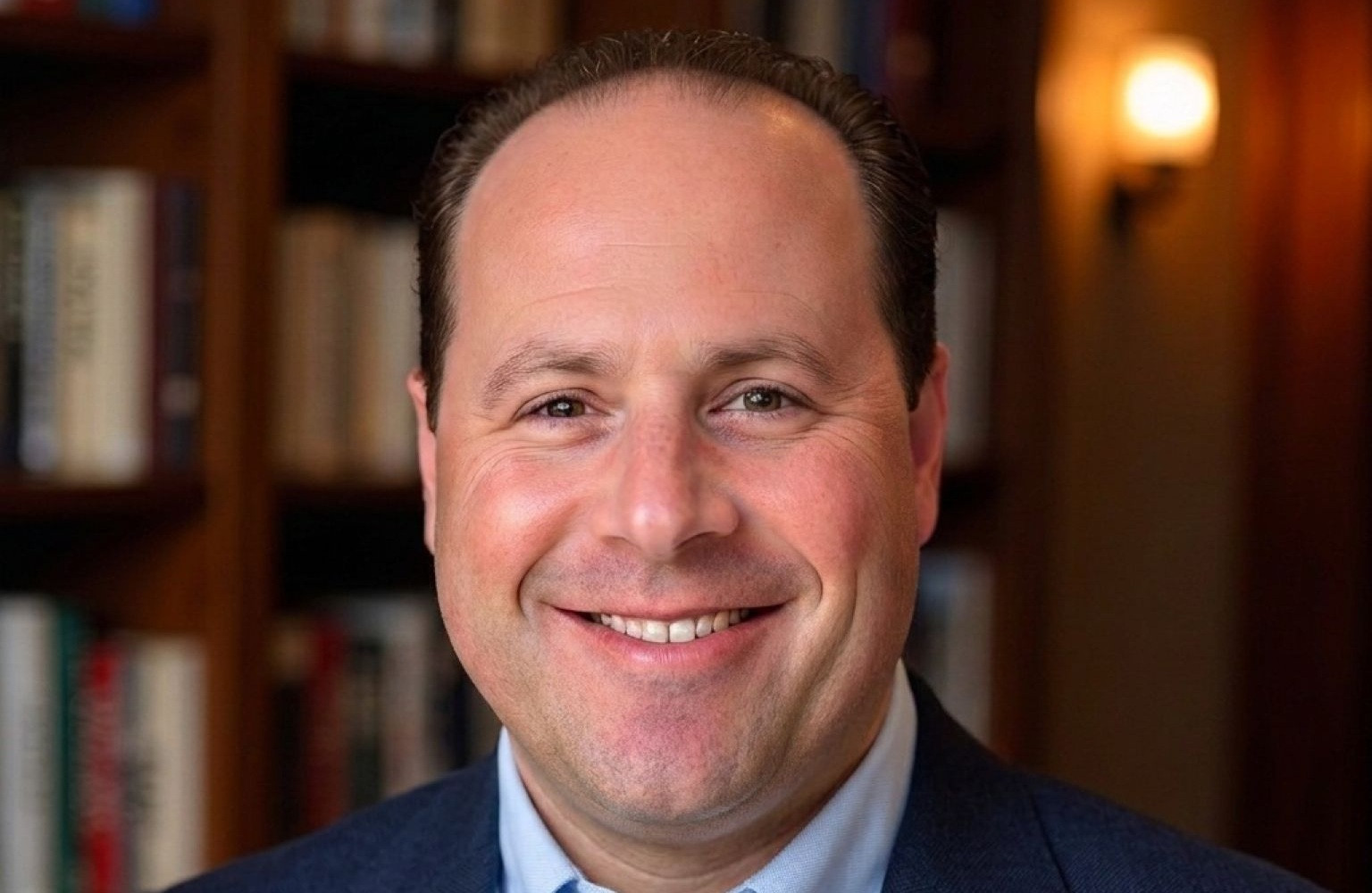
Adam Perle is President & CEO of ArtPride New Jersey, the state’s largest arts and culture trade association.


