


When most people think about the 2026 FIFA World Cup, they think about the matches. Picture-packed stadiums, international fans, and the world’s biggest sporting event arriving in our backyard. But the most important story of this World Cup may have nothing to do with what happens during 90 minutes on the pitch.
The executives, investors, media leaders, and global brands arriving for the Final are actively deciding where to invest, build partnerships, and place long-term bets on the future of the sport, media, and technology.
For New Jersey, that may be the biggest opportunity of all.
MetLife Stadium hosts the Final on July 19. Hundreds of thousands of visitors will travel through the region. Billions more will watch from around the world. For many communities, events of this scale are measured primarily through tourism, with hotel bookings, restaurant traffic, and local spending as the primary metrics.
Those impacts matter. But the larger opportunity is far more strategic and longer term.
New Jersey already possesses the world-class assets required to capitalize on this moment. MetLife Stadium stands ready for the global stage, while Prudential Center has become one of the country’s leading sports and entertainment venues. Newark Liberty serves as a critical international gateway, and the Northeast Corridor connects the region to New York, Philadelphia, Washington, and Boston.
Together, these are not isolated assets. They form an infrastructure network that moves people, media, goods, and capital at global scale.
New Jersey’s diversity makes the case even stronger. Communities across the state maintain deep cultural ties to many of the nations competing in the tournament. That authenticity cannot be manufactured. It makes New Jersey not simply a host location, but a reflection of the global game itself.
The World Cup also arrives at a moment of convergence. Streaming platforms are reshaping how fans consume content. Artificial intelligence is transforming how sports organizations operate. Sports franchises are increasingly valued as global media properties. Major events have become platforms for investment, innovation, and international business development.
The organizations that understand this shift will capture value long after the final match.
That is why the conversation happening around the World Cup may be as important as the matches themselves. On July 15, leaders from soccer, media, technology, and investment will gather at Prudential Center for The Global Game Summit. The fact that executives are choosing New Jersey not only to watch the sport, but to discuss its future, says something about where this state stands in the global soccer economy.
Hosting a match creates economic activity. Hosting the conversations, partnerships, and investments that shape what comes next creates long-term economic positioning.
The tournament lasts a month. Its impact can last for decades.
Long after the trophy is lifted, the real legacy of this World Cup will be measured by the partnerships formed, the investments attracted, and the global relationships built during this extraordinary period of visibility.
The world is coming to New Jersey. What we do with that opportunity will determine whether we simply hosted the World Cup or used it to further elevate New Jersey’s position on the global stage.
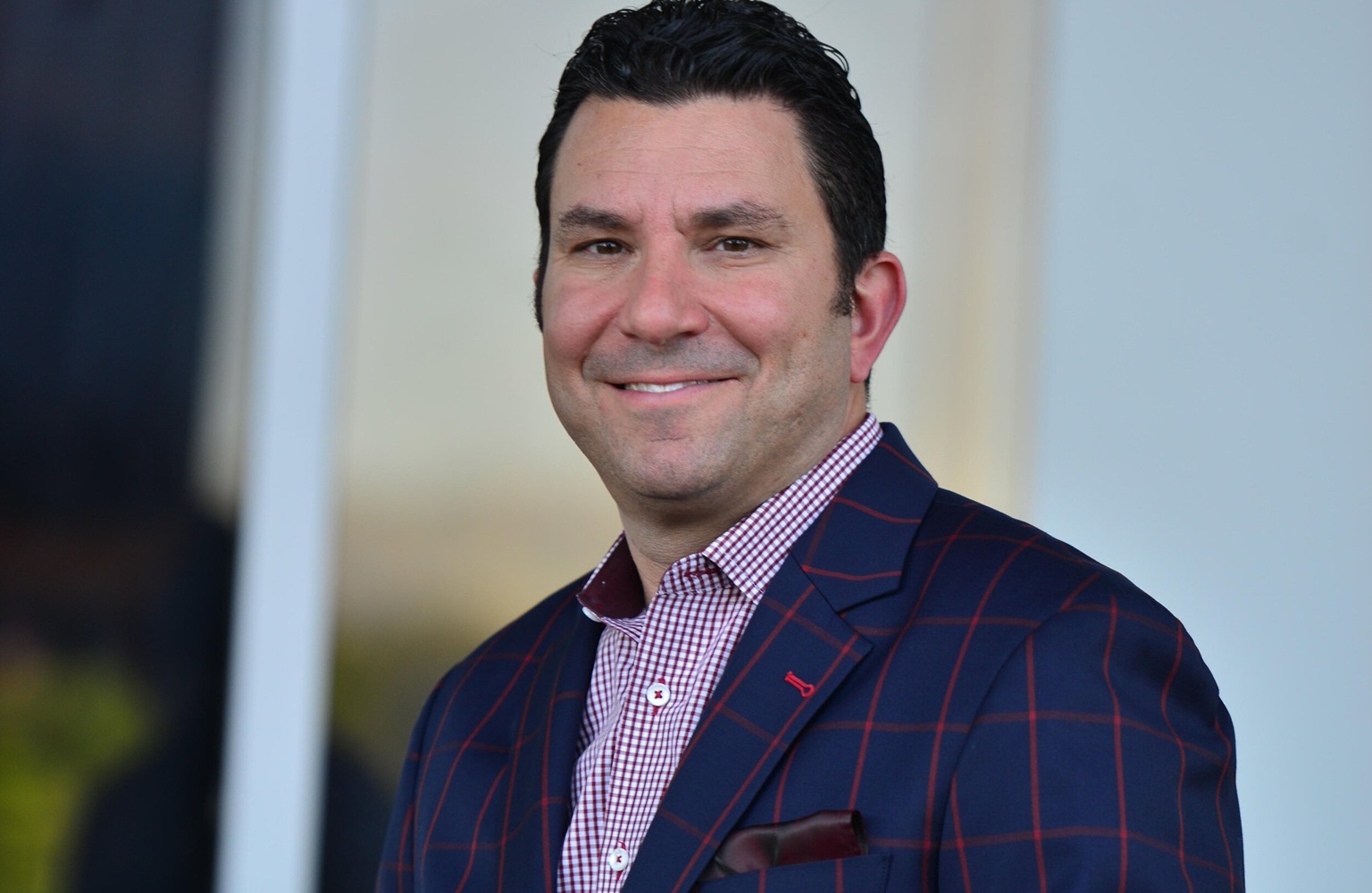
Greg Kahn is the Founder and CEO of GK Digital Ventures and creator of The Global Game: The Future of Soccer, Tech & Media Summit, taking place July 15 at Prudential Center in Newark.


