


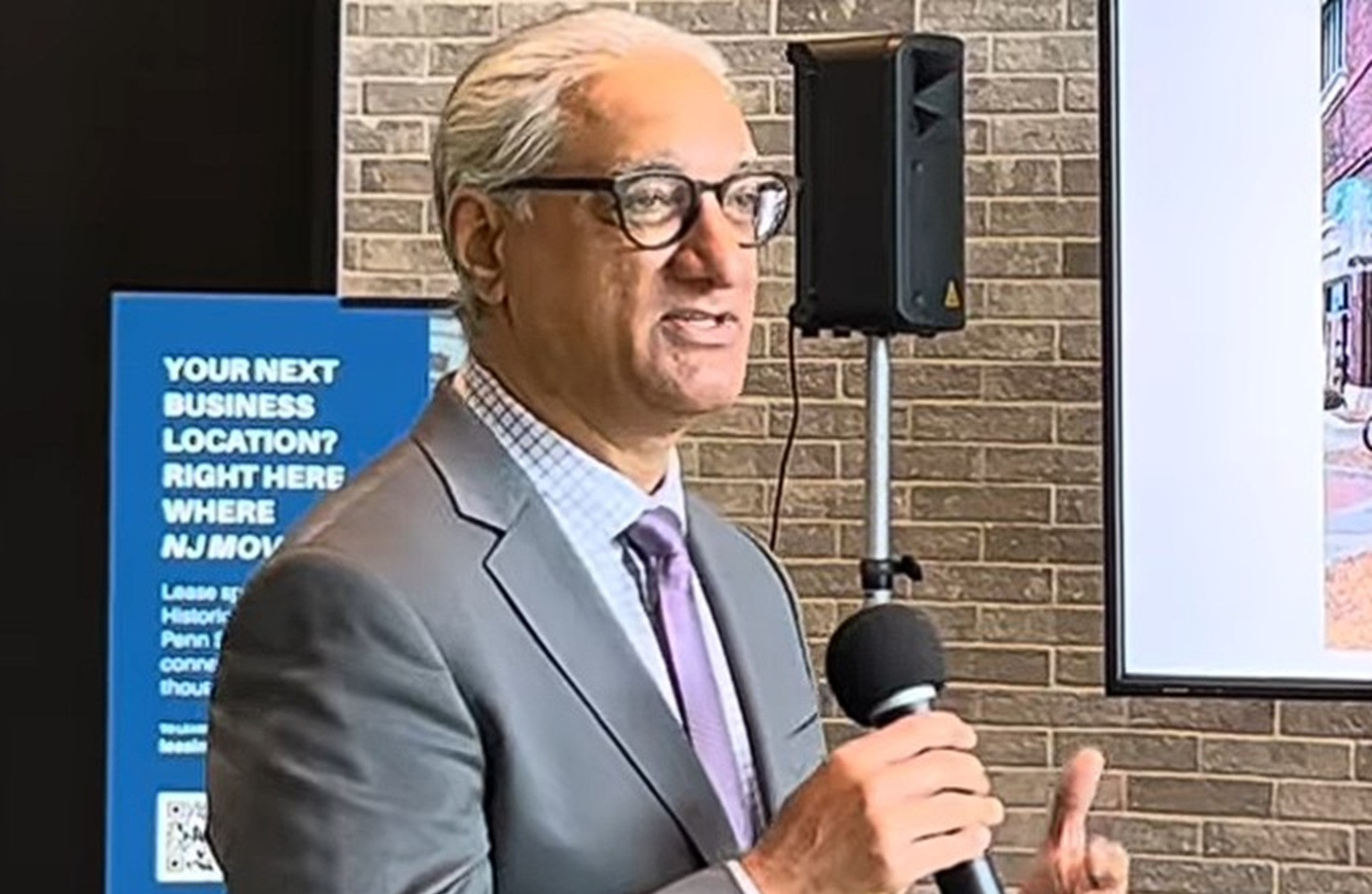
Seeking to transform underutilized property into vibrant community hubs, NJ TRANSIT welcomed more than 300 professionals from the real estate, finance, and government sectors to its first-ever Industry Day on Tuesday.
Held at the Gateway Center in Newark, the event served as a formal introduction to the agency’s ambitious roadmap for transit-oriented development (TOD), signaling a new era of public-private partnership aimed at addressing the state’s housing needs and infrastructure funding.
The event was a direct outgrowth of The LAND Plan (Leveraging Assets for Non-farebox Dollars), a strategic initiative launched six months ago. By leveraging its vast 8,000-acre real estate portfolio, NJ TRANSIT aims to:
- Generate up to $1.9 billion in non-farebox revenue for the agency.
- Spur $14 billion in total economic activity for New Jersey.
- Produce $1.6 billion in municipal tax revenues over the next 30 years.
“Transit-oriented development is one of the most effective tools we have to tackle our housing shortage, reduce congestion and air pollution, and lower costs for families,” Gov. Mikie Sherrill said. “Our state is committed to working alongside NJ TRANSIT to cut red tape and deliver housing people need near the transit they rely on every day.”
Attendees received briefings on upcoming projects and leasing opportunities in several key municipalities, including:
- Union City
- Jersey City
- Bayonne
- Pennsauken
- Princeton Junction
The agency also used the forum to solicit informal market feedback, ensuring that future development offerings align with current economic realities and developer capabilities.
For NJ TRANSIT, these real estate ventures are about more than just construction; they are about financial sustainability. By creating recurring revenue streams through retail and residential leases, the agency hopes to reduce its historical reliance on state subsidies.
“The LAND Plan allows us to reinvest in our system while helping to develop better-connected communities,” Kris Kolluri, NJ TRANSIT president & CEO said.
Gagandeep Singh, senior vice president of Real Estate Development and Planning, noted that the massive turnout at the Gateway Center underscores the high demand for transit-linked real estate. “Today’s turnout demonstrates the demand and interest for these real estate products, especially during a time of high housing demand,” Singh added.
As NJ TRANSIT continues to activate its underutilized assets, the agency remains focused on a long-term vision: improving the customer experience and reliability of the transit system while fostering economic growth that reaches far beyond the train station platform.


