


The U.S. is in the middle of a refund event unlike anything the trade world has seen — a one-time, court-ordered return of more than $166 billion in tariffs after the Supreme Court ruled earlier this year that a set of IEEPA-based duties was illegal.
Roughly 330,000 importers are eligible. None of it goes to consumers. All of it goes to companies that paid the tariffs at the border.
And while the headlines focus on the size of the refunds, the real story is the scramble behind the scenes. Importers have to file claims, assemble documentation, work through customs brokers, and navigate a system that didn’t exist until a few months ago.
The good news: The government is paying interest on every dollar it owes — which means there is a sense of urgency on both sides.
Withum’s Jim Hannan, the longtime leader of the firm’s Manufacturing, Distribution + Logistics practice, said companies are calling with the same two needs: help getting their refund applications right and help building strategies, so they don’t overpay tariffs going forward.
Hannan said the refund work is intense, the documentation can be messy if controls aren’t in place, and the volume is enormous — but the money is real. And for many companies, it’s arriving at a moment when cash matters.
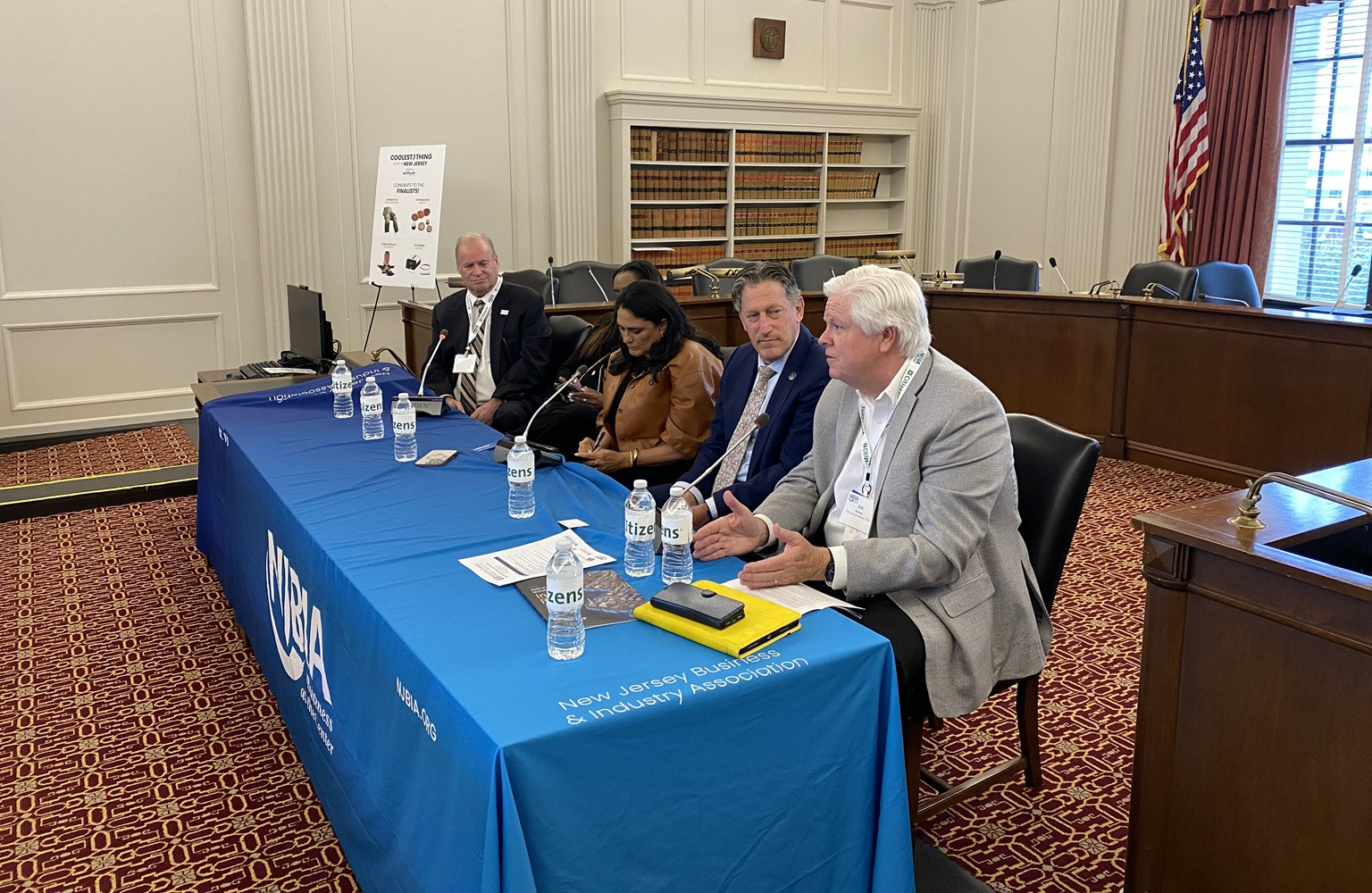
BINJE caught up with Hannan at the recent State of the State of Manufacturing event. Hannan walked through what companies should be doing now. Here’s a look at the conversation, edited slightly for space and flow.
BINJE: When companies call you about tariffs right now, what’s the first thing they need to understand?
Jim Hannan: The priority is pulling together the information to support the refund application. That’s real cash — plus interest — owed from the moment the goods were imported and the tariff was paid. Getting that claim in should be at the top of the list because companies can use that money immediately to fund operations and perhaps handling relationships with their end customers.
BINJE: And once they get through the refund process, what’s the next big issue?
Hannan: Strategy. Tariffs aren’t going away. We’ve had success helping clients use various strategies – for instance, what’s called the “first sale for export” price — meaning, if a product passes through multiple wholesalers or distributors, you can base the tariff on the factory price, not the marked-up one. We also conduct a very thorough economic analysis to assess if there are services that are bundled into a product’s price – freight and royalties are obvious ones – if so, those exclusions are not subject to tariffs These strategies are in line with Customs’ guidelines, but it takes digging into data and building a clear policy.
BINJE: For companies that haven’t thought about that, is that the moment they bring you in?
Hannan: Exactly. It’s not a loophole — these examples are accepted valuation methods, and there are others to consider as well. You just need to know how to do it correctly and document it properly.
BINJE: Let’s go back to the refund paperwork. How hard is it for companies to pull together what they need? How do they start? How long is this taking?
Hannan: The first stop is always the customs broker, because they’re the point of contact on the import. Then you receive a huge data dump that has to be organized into a submission the government can actually review. There are a lot of intricacies because this is new, but Customs has been doing a good job so far. They have millions of claims, but they’re working through them — and they have to, because interest keeps accruing.
BINJE: What about companies that passed the tariff cost on to customers? Does that complicate things?
Hannan: It does. They should know exactly what they charged. Some companies baked the tariff into their pricing. Others absorbed it. If you absorbed it, there’s no obligation to share the refund — you’re simply getting back what you paid. Either way, companies generally know how they handled it.
BINJE: So “eating” the tariff wasn’t necessarily a bad move?
Hannan: You took the hit at the time, but now you’re getting reimbursed; that money coming back into the economy is going to be a form of stimulus.
BINJE: Has this made your team busier than usual?
Hannan: We already had a dedicated team in place from earlier tariff disputes and challenges, but yes — the volume is high. This intensity goes back five or six years, when importing from China became too expensive and companies started looking for ways to comply with the law while minimizing tariffs or source their supply chain to other countries or resourcing to the USA. Tariffs will always be part of the landscape. The question is how you manage your exposure.


