


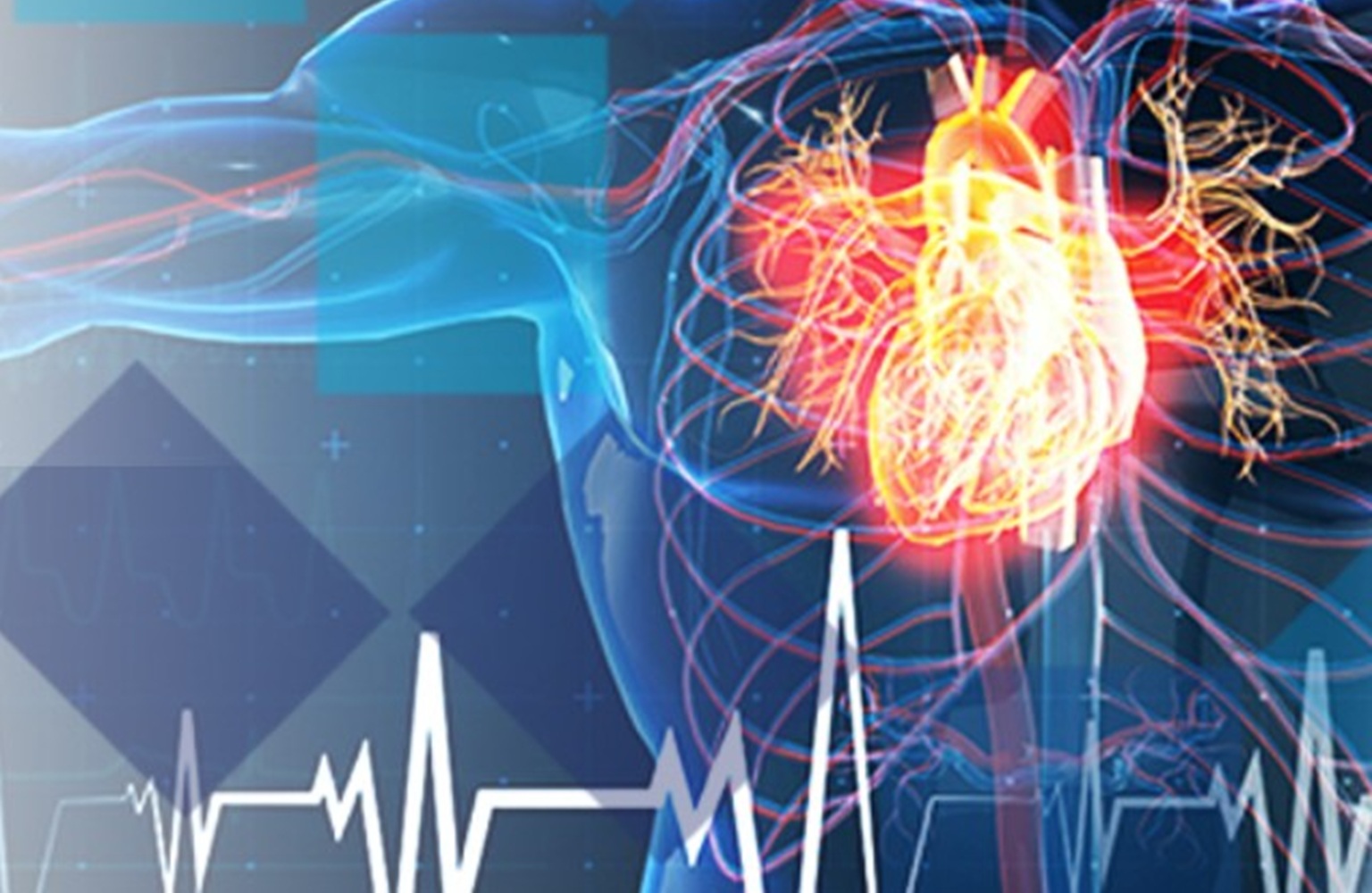
The sudden passing of Senator Lindsey Graham has brought a rare and serious medical condition, aortic dissection, into the national spotlight. According to preliminary reports, this is what led to his fatal cardiac arrest.
An aortic dissection is a tear in the inner layer of the aorta, the main artery carrying blood from the heart to the rest of the body. When a tear occurs, blood rushes between the layers of the artery wall, causing them to separate or “dissect.” If the outer wall ruptures, it is almost always fatal. In Graham’s case, the dissection was reportedly caused by arteriosclerotic cardiovascular disease, a hardening of the arteries from plaque buildup that can weaken the artery wall over time.
Symptoms of an aortic dissection are typically sudden and severe, often described as an intense, tearing pain in the chest, back, or abdomen. It is a life-threatening emergency that requires immediate medical evaluation.
While the condition can be devastating, medical treatments are available for patients who are diagnosed in time. For certain types of dissections, surgeons can now perform minimally invasive repairs. In these procedures, a specialized device is guided through a small incision to the site of the tear to reinforce the aorta and prevent a rupture, avoiding the need for major open surgery.
This tragic news serves as a stark reminder that cardiovascular disease remains a leading cause of death. Much of it is preventable or manageable when caught early. For anyone wondering what to do with this information: talk to your doctor about your cardiovascular risk. Screenings and risk assessments are the first step in managing your heart health.
Dr. Craig Basman, an interventional cardiologist with Hackensack University Medical Center, offered BINJE insights on aortic dissection — and what you can do to mitigate your chances of it happening to you. Here’s a look at the discussion:
BINJE: Graham’s death seems to have been from an aortic dissection, per the early report. What risk factors did he likely have? Why would he have this condition and would he have known about it?
BASMAN: An aortic dissection is a tear in the wall of the aorta, the major artery carrying blood from the heart to the rest of the body.
For a man of Senator Graham’s age (71), several risk factors are likely. The most significant and common risk factor for aortic dissection is hypertension (high blood pressure). Age itself is a primary risk factor, with the majority of dissections occurring in individuals between 50 and 65 years old. Being male also increases the risk.
All of these factors lead to arteriosclerosis, which place a role in weakening the aorta. This predisposes patient to aortic dissection.
BINJE: It’s likely he would not have known about his risk. Aortic dissection often occurs without warning. While he may have been treated for some of the underlying risk factors like hypertension, the structural weakness in the aorta can develop silently over many years.
What could he have done to not experience the dissection? Was it likely random?
BASMAN: While not entirely preventable, the risk of aortic dissection can be significantly reduced. The most critical preventive measure is strict control of blood pressure through medication and lifestyle changes. Other important steps include not smoking, maintaining a healthy weight, and managing cholesterol levels.
For individuals with a known enlarged aorta (aneurysm), regular monitoring with imaging studies and medications like beta-blockers to reduce stress on the aortic wall are key. There are some patients that we view at high risk for aortic dissection, and these patients, we will perform preventative surgery on. This surgery certainly involves risks, but can prevent from fatal events like aortic dissection
While it may seem random, an aortic dissection is typically the culmination of long-term stress on the aorta from factors like high blood pressure.
BINJE: Some say it’s odd timing that he died from an aortic dissection so soon after traveling back to DC from Ukraine, raising speculation it might have been a pulmonary embolism. What are the chances someone would suffer an AD vs. a PE so soon after a flight?
BASMAN: It is understandable why a pulmonary embolism might be considered, as long-haul flights are a known risk factor for developing deep vein thrombosis, a blood clot in the leg that can travel to the lungs causing a PE. The risk of PE increases with the duration of immobility during travel.
However, an aortic dissection is also a plausible, though less commonly discussed, travel-related event. The stress of travel, including fluctuations in blood pressure, could theoretically contribute to a dissection in a person with pre-existing risk factors. While the incidence of PE after long flights is more widely studied, both are possible acute cardiovascular events.
Without a definitive autopsy, it’s difficult to state the precise chances, but the preliminary report of an aortic dissection is a very credible cause of sudden death.
BINJE: What conditions would a cardiologist want to rule out/consider for someone of Graham’s age, weight, lifestyle? Are there other issues he could have experienced?
BASMAN: For any individual in their 70s, a cardiologist would be focused on a range of potential cardiovascular issues. Beyond aortic dissection, other considerations would include:
- Coronary Artery Disease: Narrowing of the arteries that supply blood to the heart, which can lead to a heart attack.
- Heart Failure: The heart’s inability to pump blood effectively.
- Arrhythmias: Irregular heartbeats, such as atrial fibrillation, which increase the risk of stroke.
- Stroke: Caused by a blockage of blood flow to the brain.
- Peripheral Artery Disease: Narrowing of arteries in the limbs.
A comprehensive evaluation would involve assessing risk factors like blood pressure, cholesterol, blood sugar, and family history, as well as lifestyle factors.
BINJE: What does this say, generally, about heart health as we age? What should people do to stay safe?
BASMAN: This tragic event underscores that age is a significant, non-modifiable risk factor for cardiovascular disease. As we age, our blood vessels can become stiffer and more prone to damage.
However, there are many proactive steps people can take to protect their heart health as they get older:
- Know your numbers: Regularly monitor your blood pressure, cholesterol, and blood sugar levels. For adults 65 and older, a target blood pressure of less than 130/80 mm Hg is generally recommended.
- Regular medical check-ups: See your doctor for regular heart health screenings, especially after the age of 45.
- Stay active: Aim for at least 150 minutes of moderate-intensity aerobic activity, like brisk walking, each week. Incorporate activities that improve strength, balance, and flexibility.
- Eat a heart-healthy diet: Focus on fruits, vegetables, whole grains, and lean proteins while limiting salt, sugar and unhealthy fats.
- Maintain a healthy weight: Losing excess weight can reduce the strain on your heart.
BINJE: Anything else?
BASMAN: Don’t smoke. Smoking is a major risk factor for heart disease.


