


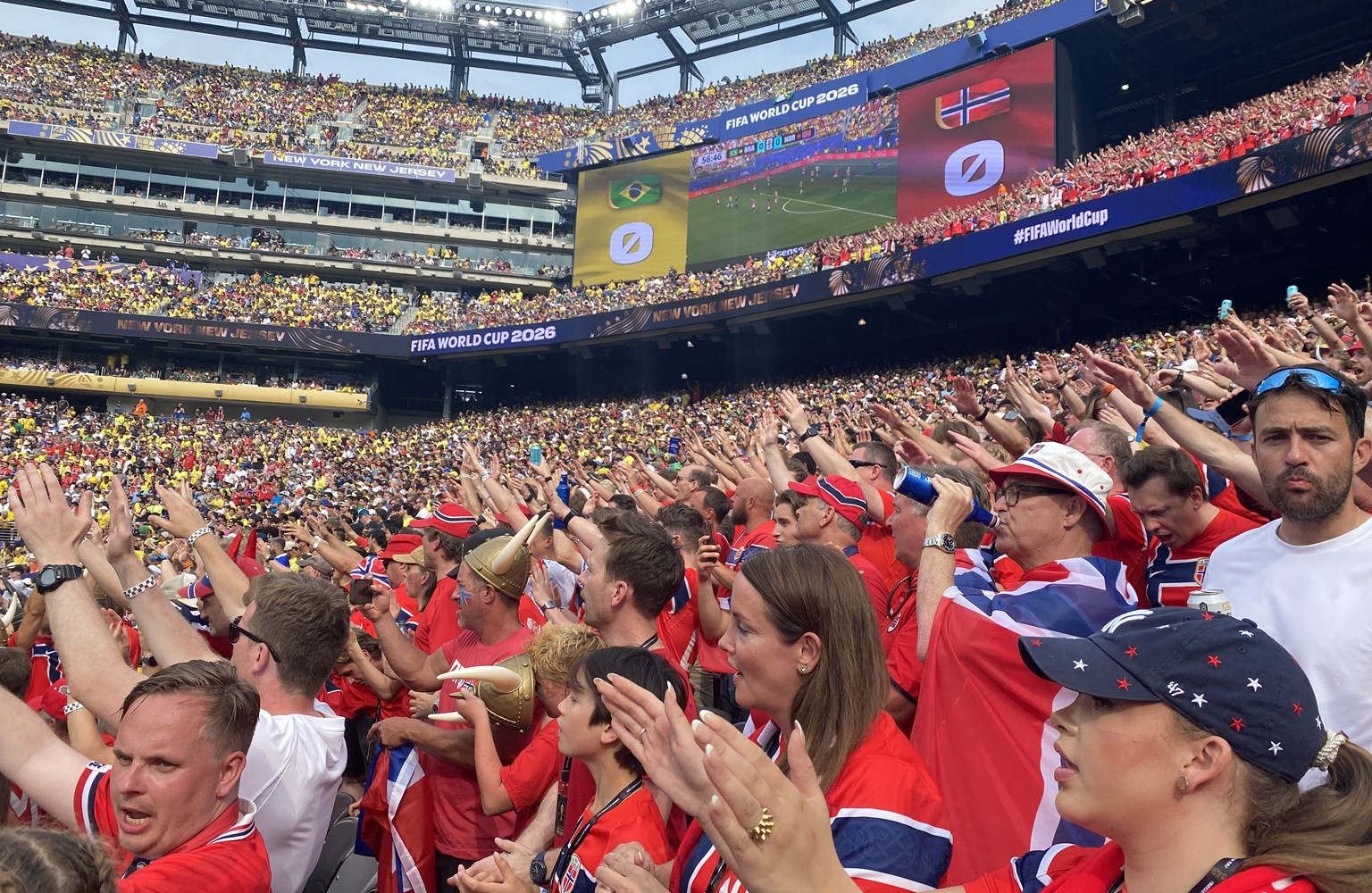
We know the deal: You’re a huge fan of soccer. This is the game’s biggest week. You’re not interested in reading about, hearing about or talking about anything else — certainly not something published in a medical journal.
Maybe you should be? Consider this:
- A landmark German study published in The New England Journal of Medicine found that during the 2006 World Cup, the incidence of cardiac emergencies on days when the German team played was more than double compared to other days. The risk was highest during tense matches, like those decided by a penalty shootout.
- Another study noted a 25% increase in heart attack admissions in England when their team was eliminated by Argentina in a penalty shootout during the 1998 World Cup.
 We get it. The final week of the World Cup is sure to be an emotional rollercoaster for fans as powerhouse teams of England, Argentina, France and Spain face off.
But while we live for these heart-pounding moments, the intense stress can be literally heart-stopping. Studies show watching high-stakes sports can significantly increase your risk for cardiovascular events.
The intense emotional stress of a close game can trigger a cascade of responses in your body.
So said Dr. Brett Sealove, the chair of Cardiology at Hackensack Meridian Jersey Shore University Medical Center.
“Significant stress of any kind can play a role in exacerbating a pre-existing heart condition,” he said. “People who are already at risk with symptoms including high blood pressure, cholesterol, diabetes, and obesity are at an increased risk for a cardiac event during times of stress.”
Cardiac events can include anything from heart attacks, strokes and heart palpitations.
This strain is often compounded by unhealthy watch-party habits like drinking alcohol, eating salty and fatty foods and sitting for long periods.
Dr. Ryan Kaple, a board-certified interventional cardiologist at Hackensack University Medical Center, agrees. But he’s quick to point out – everyone doesn’t have to be sitting on their hands.
 “In most people, this is not significant enough to cause any cardiovascular events,” he said. “But in some who have a history of cardiovascular disease, and even some who don’t, it can trigger serious problems.”
With the semifinals set to be played Tuesday and Wednesday – and the final for Sunday at MetLife Stadium, the doctors at Hackensack Meridian Health offered advice on how to enjoy the matches without putting your heart on the line.
They recommend the following strategies:
- Manage your emotions: If you feel yourself getting overly stressed or agitated, take a break. Step away from the screen, practice some deep breathing, or go for a short walk to calm your nervous system.
- Stay healthy: It’s easy to overindulge during a watch party. Try to limit alcohol and avoid binging on salty or fatty foods. Stay hydrated with water.
- Don’t skip medications: If you are on prescribed medication for a heart condition or high blood pressure, be sure to take it as scheduled, regardless of the game’s excitement.
- Know the warning signs: If you experience symptoms like chest pain, shortness of breath, sudden tingling, or pain in your jaw, don’t ignore them. Seek medical attention immediately.
- Prioritize sleep and self-care: The stress of late-night games can take a toll. Ensure you get enough sleep and make time for relaxing activities that aren’t related to soccer.
The World Cup is a time for celebration and national pride. The doctors said being mindful of the risks and taking these simple precautions can help ensure the only thing you’ll be nursing after the final whistle is a voice hoarse from cheering.


