


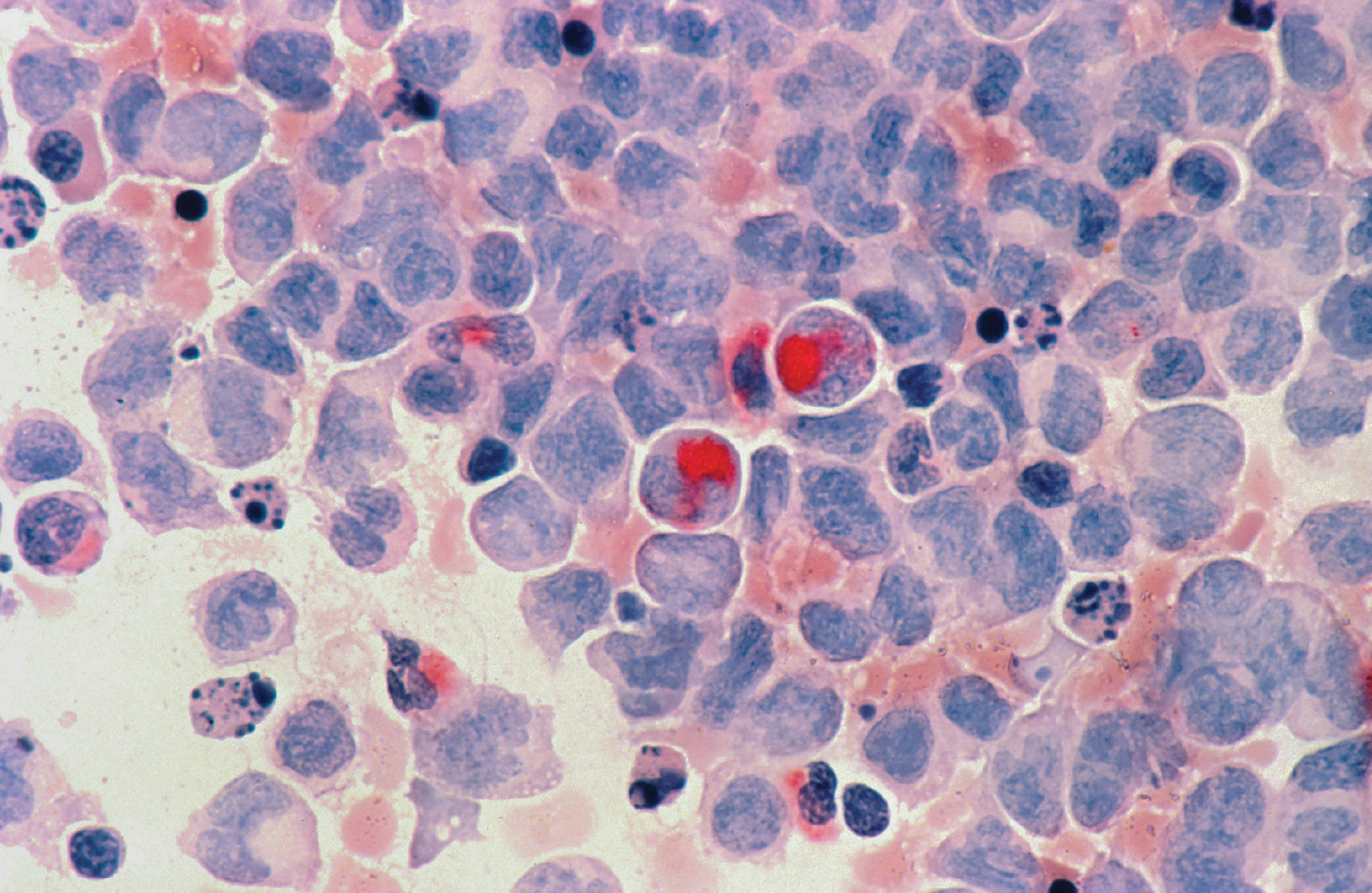
Cancer is scary. But knowing the facts can help make sense of the unknown. So here are some vital questions and answers:
Q: What exactly is cancer?
A: Cancer is a disease in which some cells in the body grow uncontrollably and spread. Abnormal or damaged cells sometimes grow and multiply when they shouldn’t. These cells may form tumors, which can be cancerous (malignant) or not cancerous (benign).
Q: How prevalent is cancer?
A: About 2.1 million new cancer cases are expected to be diagnosed in the U.S. in 2026, including 60,740 cases in New Jersey.
Q: What are the most common types of cancer in New Jersey?
A: Prostate cancer is the most common , with 11,480 cases expected to be diagnosed in 2026. Female breast cancer is second, with 9,510 cases projected this year.
Q: What are the survival rates for cancer?
A: The five-year survival rate for all types of cancer combined reached a milestone of 70% during 2015-2021. The rate for breast cancer is 92%, while the rate for prostate cancer is 98%. Those numbers reflect a big improvement over the years. In the 1970s, the survival rate for all types of cancer combined was 49%. The rate for breast cancer was 75%, while the rate for prostate cancer was 68%.
Q: What is the deadliest form of cancer?
A: Lung cancer is the leading cause of cancer deaths in the U.S., accounting for 20% of all cancer deaths. About 125,000 people are expected to die from lung cancer in 2026. Lung cancer deaths have been declining for decades thanks to earlier detection, lower smoking rates and treatment breakthroughs.
Q: What are the best New Jersey hospitals for cancer care?
A: U.S. News & World Report ranks Hackensack University Medical Center at Hackensack Meridian Health as the top cancer hospital in New Jersey, and #38 nationally. No other cancer center in New Jersey ranks nationally.
Other leading centers in New Jersey include Jack & Sheryl Morris Cancer Center/Rutgers Cancer Institute at Robert Wood Johnson University Hospital, Jersey Shore University Medical Center at Hackensack Meridian Health, Morristown Medical Center Atlantic Health System and Cooperman Barnabas Medical Center.
New Jersey has one National Cancer Institute-Designated Cancer Center: Rutgers Cancer Institute. Pennsylvania’s Sidney Kimmel Cancer Center at Jefferson Health, which has New Jersey locations, is also NCI-Designated.
Sources: National Cancer Institute, American Cancer Society, U.S. News & World Report, Centers for Disease Control and Prevention, New Jersey State Cancer Registry


