


Pope Leo never smoked.
By all accounts, the first American pope played tennis and worked with a personal trainer during his years as a cardinal. He has lung cancer anyway.
The 71-year-old pontiff was diagnosed with lung adenocarcinoma, the most common form of the disease. On Oct. 13, surgeons at Rome’s Gemelli Hospital removed the lower lobe of his right lung in a 90-minute, video-assisted operation that the Vatican called successful.
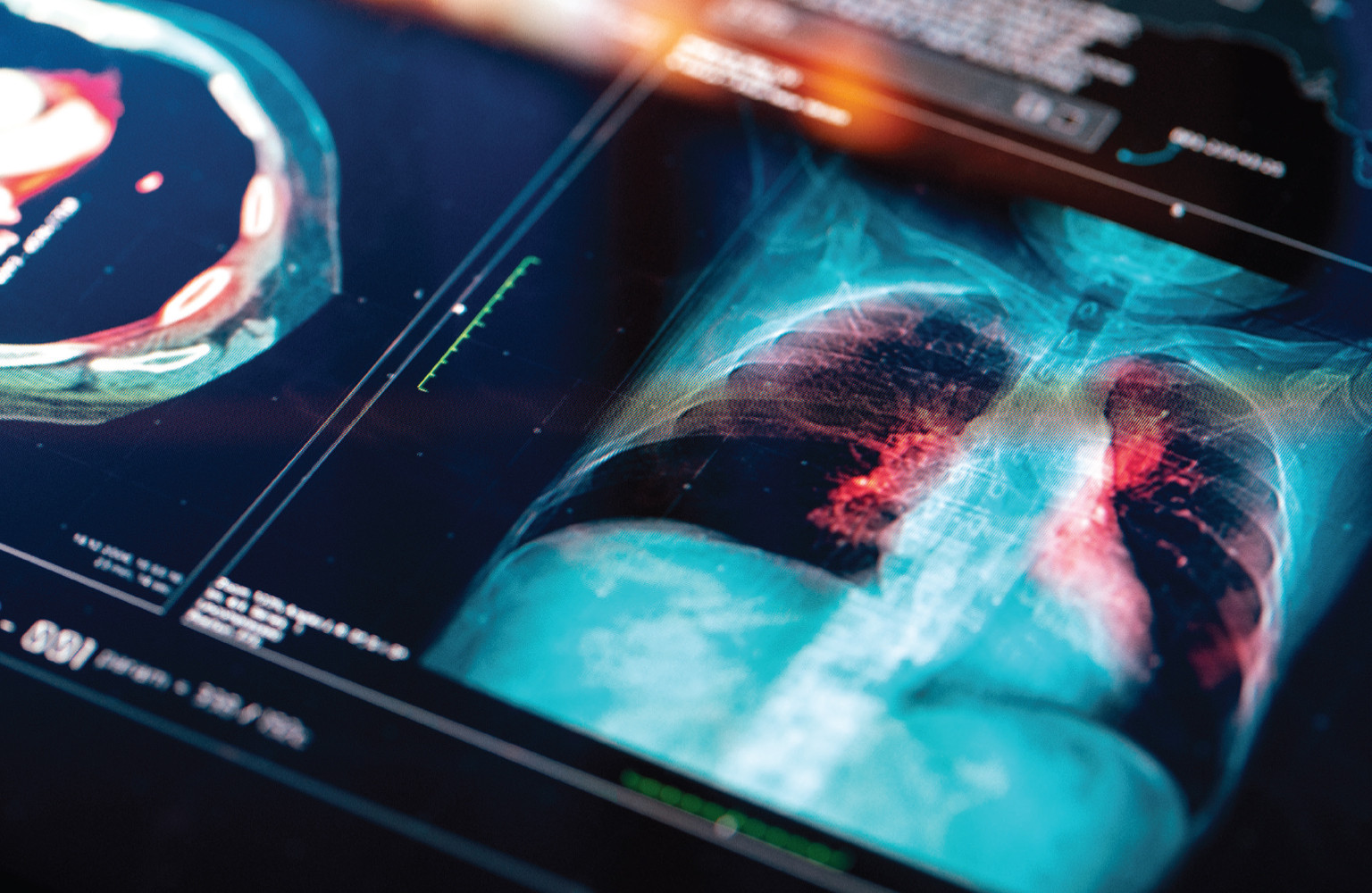
The cancer was caught early, as a small, contained nodule. Physicians at Hackensack Meridian Health say early catches like that are increasingly happening by accident, while doctors are looking for something else, and that the way the country screens for lung cancer needs to catch up.
The disease still carries the label of a smoker’s disease, and for good reason. The Centers for Disease Control and Prevention says about 80% of U.S. lung cancers are tied to cigarettes and other tobacco use.
But a growing number of nonsmokers are being diagnosed. Doctors point to genetics, secondhand smoke and workplace exposure to chemicals and carcinogens. Non-small cell lung cancer, which includes adenocarcinoma, is the most common type found in people who never smoked.
Dr. Nabil Rizk, chief of thoracic surgery at Hackensack University Medical Center, said the real problem is screening.
“Each year lung cancer kills nearly 125,000 Americans, more than breast, colon and cervical cancers combined. Recent studies show that’s largely due to a lack of screenings,” he said. “For example, 70-80% of eligible Americans get regular mammograms or pap smears but only about 10% of patients eligible for lung cancer screening get it.”
***
Who qualifies for screenings — and who doesn’t — may surprise you.
Under current guidelines from the American Cancer Society and the National Comprehensive Cancer Network, a person qualifies for an annual low-dose CT scan by meeting three tests:
- They are between 50 and 80 years old.
- They have smoked at least 20 pack-years. That’s a pack a day for 20 years, or two packs a day for 10.
- They smoke now or used to. Under the updated guidelines, it doesn’t matter how long ago they quit.
That leaves plenty of people out, including workers with long exposure to asbestos, diesel exhaust or silica. It also leaves out certain groups that face higher risk without smoking. Asian American women who have never smoked are one example.
That’s why so many cases are found by accident.
Hackensack Meridian points to patients like Nichole Molinaro. A 38-year-old nonsmoking mother of three with no family history of lung cancer, she didn’t qualify for screening. When chest pains wouldn’t go away in 2024, a CT scan found a nodule in her right lung. Dr. Faiz Bhora, chief of thoracic surgery for Hackensack Meridian’s central region, removed it robotically. It was early-stage adenocarcinoma, the same type as the pope’s, and she hasn’t needed further treatment, according to the health system.
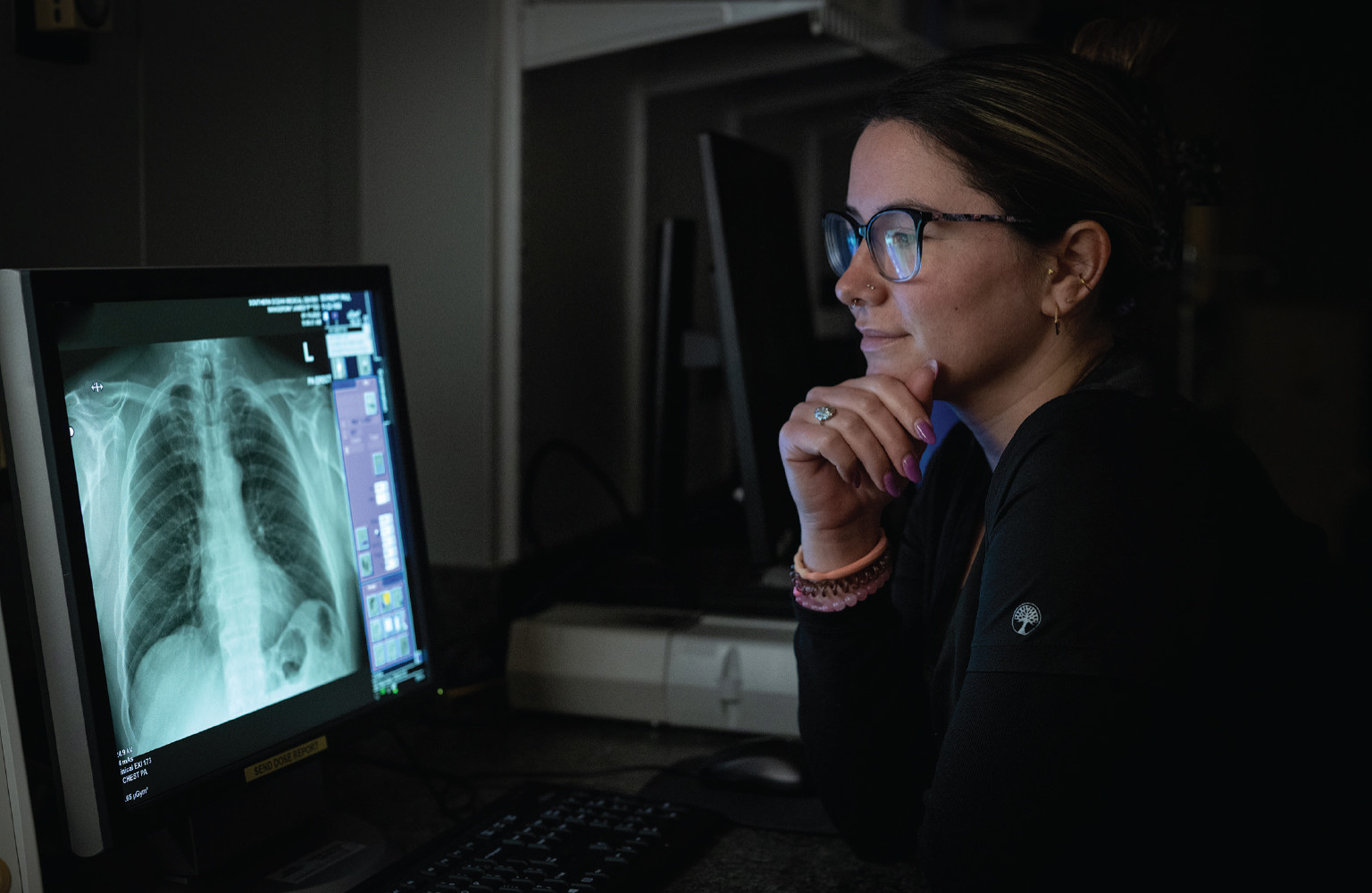
Another patient, Carolyn Rothfield, had a routine heart scan that turned up Stage 1a lung cancer, the earliest and most treatable stage.
Bhora said cases like these keep turning up.
“We find cancers when people are being scanned for other reasons, such as coronary or chest pains,” he said. “This highlights why it’s so important to keep on top of all recommended screenings and see your doctor when something doesn’t feel right.”
***
Is it time to widen the screening net?
Those accidental finds are fueling a push from doctors to rethink who gets screened. Some want universal screening for everyone in a certain age range, the way breast and colon cancer screening works. Others want a narrower expansion that adds more high-risk groups.
Better equipment strengthens their case.
Hackensack Meridian now uses the NAEOTOM Alpha photon-counting CT scanner, which the health system says produces sharper images of very small structures at lower radiation doses than conventional CT. Its speed also means less uncomfortable breath-holding for patients.
Rizk said the lesson already is clear.
“The rise in incidental findings has given us a crucial insight: lung cancer is not just a smoker’s disease, and our current safety net has holes,” he said. “By improving access to and awareness of current screening methods, and by thoughtfully expanding who is eligible, we can move from relying on luck to a future where more lung cancers are found early, intentionally, and with a much greater chance of a cure.”
For information about Hackensack Meridian Health, go to hackensackmeridianhealth.org.


