


Everyone wants children with cancer to get the best treatment possible.
So, why aren’t they always getting it?
Why is it that about 80% of childhood cancer survivors develop chronic health issues from the treatment that saved them?
And why is it that only 5% of cancer drugs have been approved for first-time use in children — even though blood cancers account for 40% of pediatric cancers?
Simply put, why are we still treating kids with cancer as little adults with cancer when they are not.
Blood Cancer United is working to change that mindset.
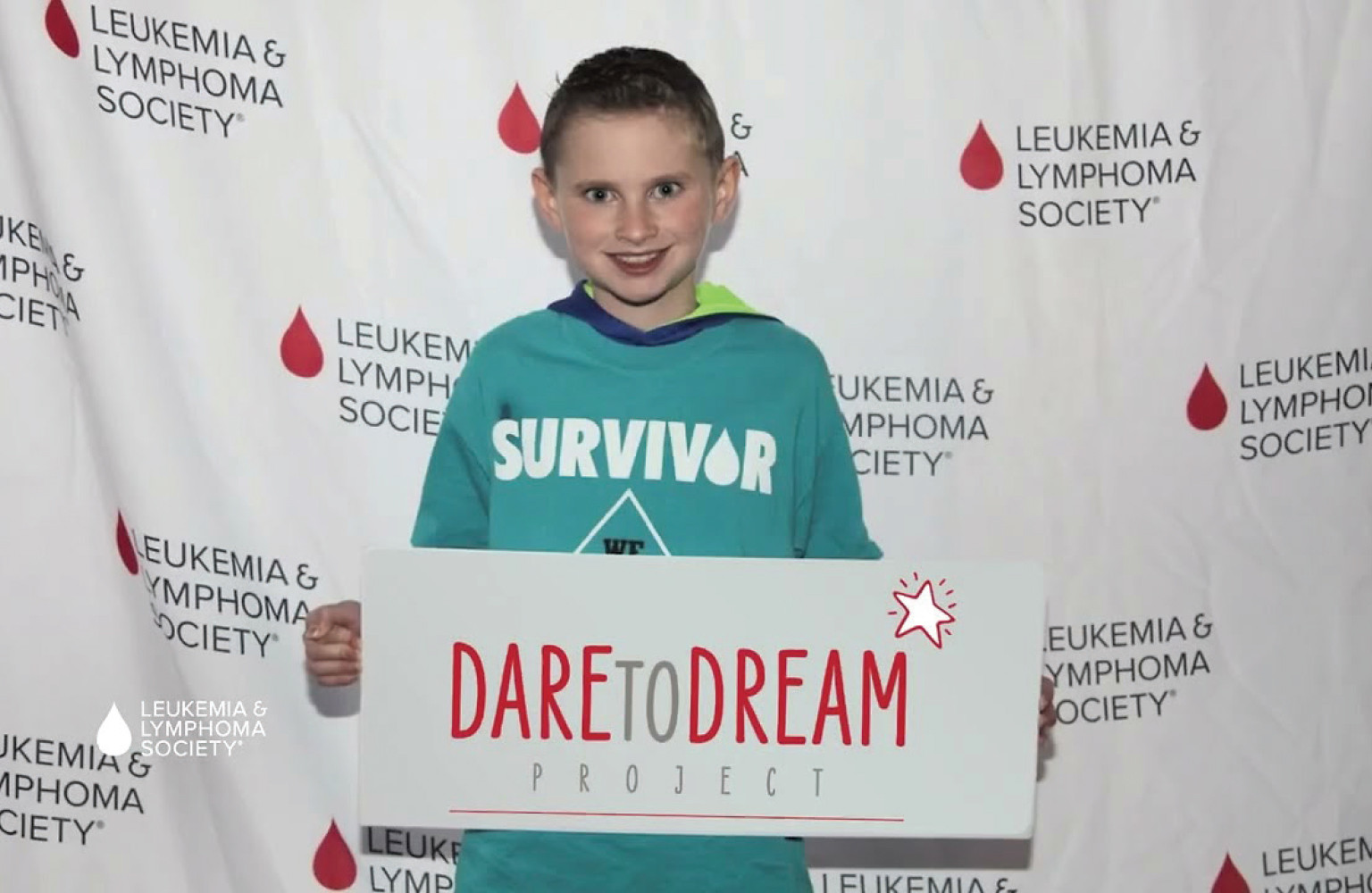
Last year, it launched the Dare to Dream Project, a $175 million capital campaign to transform treatment and care for children, adolescents and young adults with blood cancer.
The goal is to make sure everyone understands that when it comes to cancer care, a one-size-fits-all approach to treatment doesn’t work.
Jana Boyer, Executive Director of Blood Cancer United New Jersey, put it plainly.
“Too many children are surviving cancer, only to face a lifetime of health complications from the treatments that saved them,” she said. “We believe kids deserve better — and Dare to Dream Days is our call to action.”
***
The Dare to Dream campaign aims to fund four things:
- Global, collaborative pediatric research;
- A first-of-its-kind clinical trial;
- Free education and personalized support services, including connections to financial assistance for families;
- Advocacy on behalf of children and their families.
The centerpiece is the Blood Cancer United PedAL Master Clinical Trial. PedAL, short for Pediatric Acute Leukemia, launched in 2022 as the first global master trial for children with acute leukemia.
A master trial works differently from a traditional one. Instead of testing one drug at a time, it tests several targeted therapies at once. Children are screened for the genetic drivers of their cancer, then matched to the treatment most likely to work for them.
The goal is to move faster and, where possible, spare kids the harshest chemotherapy.
***
It’s worth repeating: Kids with cancer need their own path.
For decades, children with cancer have largely been treated with drugs first developed for adults. Many of those treatments work, but they come at a cost to growing bodies.
That’s the gap the 5% figure points to. When so few cancer drugs are developed with children in mind first, kids get what’s left over, and survivors can pay for it for the rest of their lives.
Blood Cancer United says the goal is safer, less toxic treatments, so more children get better and fewer suffer harsh, chronic side effects during and after remission.
The campaign also reaches into classrooms. Through Dare to Dream Schools, students raise money for the effort, and the group says 100% of those funds go directly to kids with blood cancer.
The questions at the top of this story don’t have easy answers. Blood Cancer United is betting $175 million that better ones are within reach.
For information about Dare to Dream Project, go to blood cancerunited.org/dare-to-dream.


