


New Jersey cancer patients are getting more opportunities to try experimental treatments through clinical trials that could advance care for people with hard-to-treat cancers.
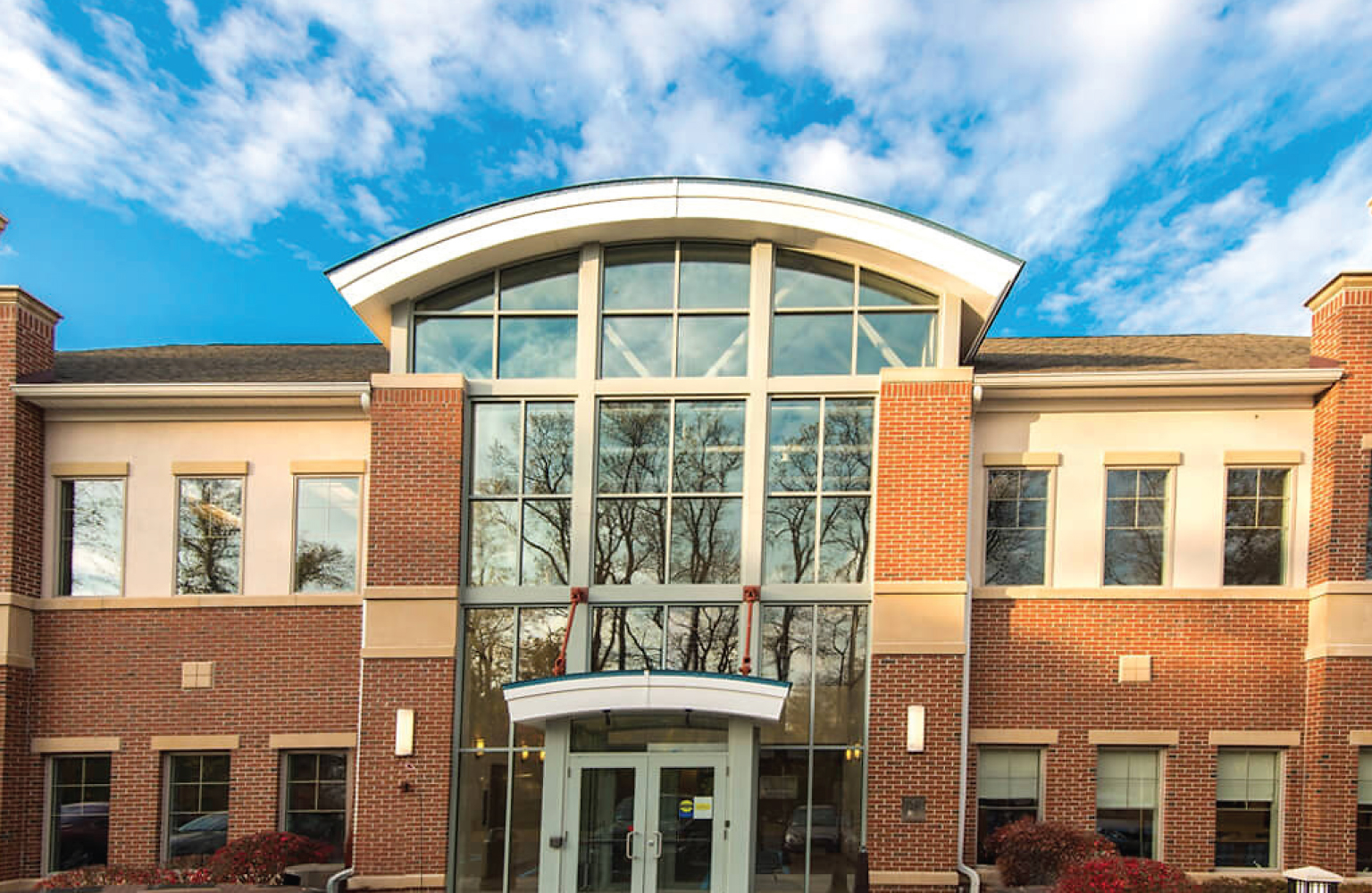
At Saint Peter’s University Hospital, patients can access early-phase clinical trials through a year-old collaboration with the START Center for Cancer Research in East Brunswick.
START’s 15 U.S. sites have conducted more than 1,000 early-phase trials, including studies that contributed to 45 therapies later approved by the U.S. Food & Drug Administration or European Medicines Agency. One of those was Keytruda, now the top-selling cancer drug worldwide.
Today’s standard cancer therapies often began as experimental treatments tested in clinical trials years earlier. Dr. Neel Belani, a medical oncologist and clinical investigator at START New Jersey, said promising therapies can advance quickly, citing the recent approval of Rasonque (daraxonrasib), a once-daily pill for pancreatic cancer.
Belani said the field has increasingly shifted toward precision medicine, with researchers developing drugs that target specific genetic mutations rather than treating all cancers the same way. That approach is expanding treatment options for cancers that historically have been difficult to treat.
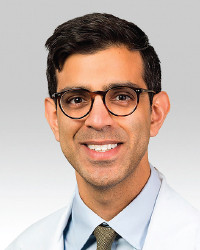
“It’s very inspiring to see a drug that has a novel way of treating a cancer that was thought to be undruggable for a long time,” Belani said. “The number of new medications that are coming into clinical trials, in terms of targeted therapies, new ways of attacking cancer cells and being more of a precision approach, to me it’s just amazing.”
Getting patients into clinical trials remains a challenge. Most trials are conducted at academic medical centers, making access difficult for those who don’t live nearby. A report released last year by the American Society of Clinical Oncology found that 7% of patients with cancer participate in clinical trials.
START opened its New Jersey in 2025 as part of a partnership with Astera Cancer Care, a physician-owned oncology practice that provides cancer care at Saint Peter’s. The East Brunswick centers currently has about 30-40 open trials and is adding about three more each month. One of its trials involves another oral drug for pancreatic cancer that has received fast track designation from the FDA.
“There are a lot of exciting drugs in our pipeline,” Belani said. “Our goal is to have a trial for everyone.”
Having a research center close to home makes participation more feasible for patients and their families. Early-phase studies can require frequent visits, laboratory testing, imaging, and close monitoring.
Belani said investigators routinely communicate with colleagues at other cancer centers when they don’t have an appropriate trial for a patient. “It’s kind of a group effort,” he said, noting that researchers often help connect patients with studies elsewhere when a better option exists.
START is often among the first sites in the country to open new studies. While many research centers may take up to a year to activate a clinical trial, START can often do so in about two months, giving patients earlier access to experimental therapies, Belani said.
“We can always do better,” he said. “Clinical trials are how we keep offering something more.”
For information about START New Jersey, go to startresearch.com/start-new-jersey.


