


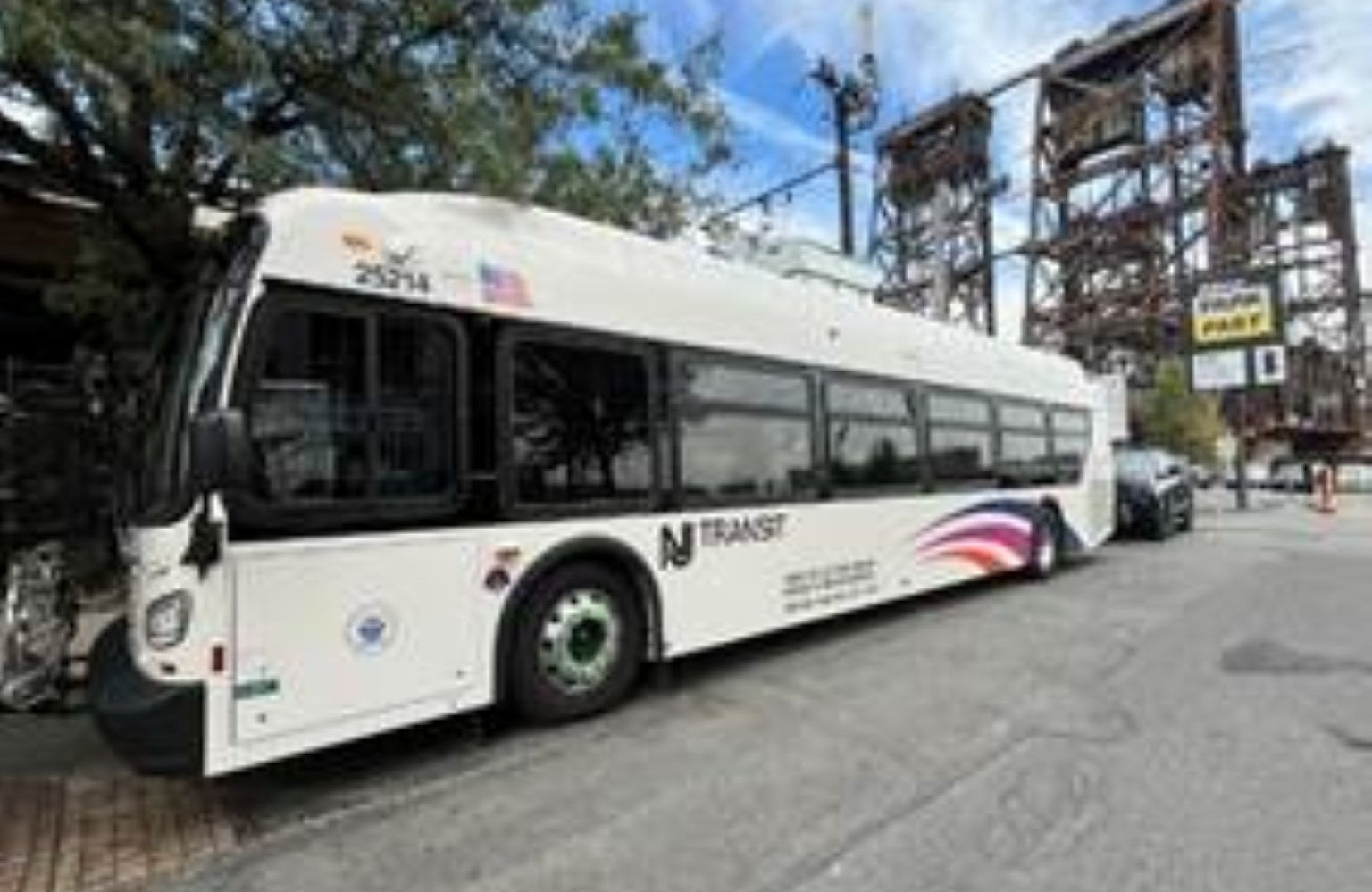
NJ TRANSIT’s large-scale fleet modernization continues as the agency unveiled the arrival of the first of 175 new 40-foot New Flyer buses. The new vehicles, which will be delivered between now and June 2026, feature upgraded technology, reliability, and customer amenities, advancing NJ TRANSIT’s goal to replace or modernize its entire bus and rail fleet by 2031.
The arrival is part of a significant investment in public transportation, with NJ TRANSIT having authorized the purchase of more than 1,400 buses since 2018, representing a total investment exceeding $1.7 billion.
“Governor Murphy’s continued investment in public transportation is enabling us to deliver on our promise of a modern, reliable transit system,” NJ TRANSIT President & CEO Kris Kolluri said. “The arrival of these new buses marks another milestone toward our 2031 fleet modernization goal—and a better experience for every customer who rides with us.”
Enhanced amenities and safety features
The new 40-foot transit style buses are designed to significantly improve the rider experience and boost safety. Key customer-focused features include:
- USB Charging Ports: Available at multiple seats for passenger convenience.
- Improved Accessibility: Low-floor design with ramps for faster, easier boarding, particularly for seniors and customers with disabilities.
- Lighting and Communication: Brighter LED interior lighting for energy efficiency and comfort, and improved intercom systems for clearer announcements.
The buses also feature enhanced safety and security technology for both operators and the public, such as onboard security cameras, blind-spot cameras for bus operators, and turn-warning systems to alert pedestrians.
“Investing in new, reliable and accessible public transportation is essential for keeping New Jersey moving forward,” said DOT Commissioner and NJ TRANSIT Board Chair Francis O’Connor. “Modernizing the NJ TRANSIT fleet is a critical step toward creating a world-class transit network that meets the needs of riders today and for decades to come.”
The ongoing modernization efforts are aimed at providing customers across the state with increased reliability and a consistent, high-quality public transit experience.


