


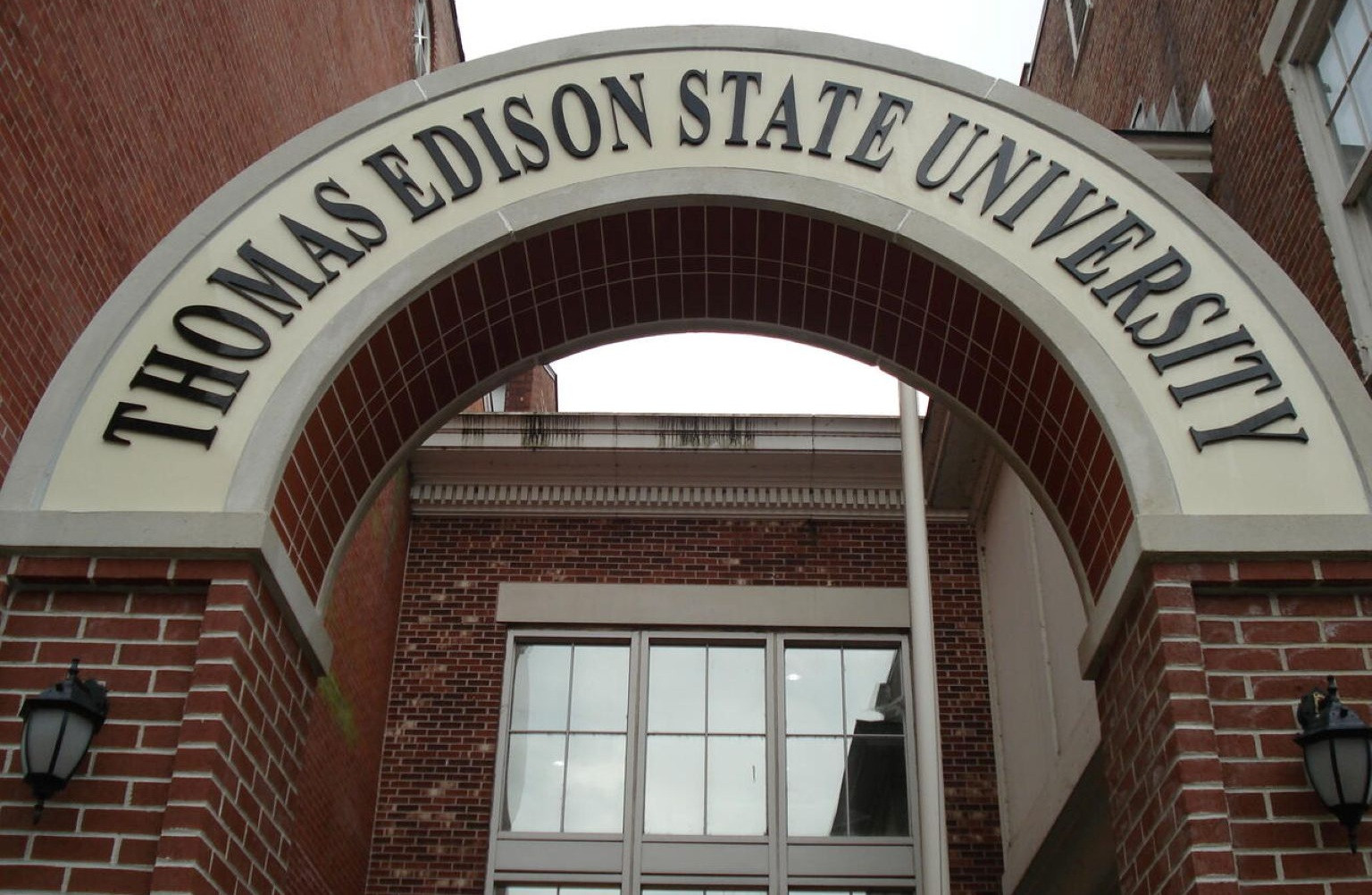
The Thomas Edison State University (TESU) Foundation has been awarded a $25,000 grant from the Justamere Foundation to fund the development of a specialized Electrical Inspector Licensing Training Program.
 The initiative is designed to prepare qualified candidates for licensure as an Electrical Inspector ICS (Industrial and Commercial Structures) under the New Jersey Uniform Construction Code, creating a clear professional pathway for trade professionals into municipal code enforcement.
The proposed program aims to bridge the gap between field-level trade expertise and administrative regulatory oversight. Envisioned to feature structured coursework, compliance management instruction, and targeted preparation for the state licensing examination, the program will allow participants to leverage their hands-on experience to advance into higher-level public sector and inspection careers.
Eligible candidates for the program include:
- Journeyman electricians seeking career advancement.
- Licensed contractors and engineers transitioning into code compliance.
- Graduates with associate degrees in code enforcement or related technical fields.
“This grant is vital to expand access and remove barriers to trade education for nontraditional students. We are honored to work with Justamere Foundation to strengthen our community,” Mary Heagley, Vice President for Advancement and Executive Vice President of the TESU Foundation, said.
The Justamere Foundation is a private philanthropic organization dedicated to funding grants and scholarships that help individuals overcome economic barriers to achieve self-sustaining careers. The foundation focuses its investments on trade scholarships, veteran programs, children’s literacy, and arts education.
“We sincerely appreciate the Justamere Foundation’s generous support and its commitment to expanding educational and career opportunities,” Dr. Jeffrey Harmon, provost and senior vice president for Academic Affairs at TESU, said. “This investment will help participants build on their existing skills, develop valuable new competencies and pursue careers that contribute to economic stability and serve the needs of their communities.”
By expanding the pool of licensed electrical inspectors across New Jersey, the program will also help municipalities meet growing construction, infrastructure, and redevelopment demands while maintaining state safety and building code standards.


