


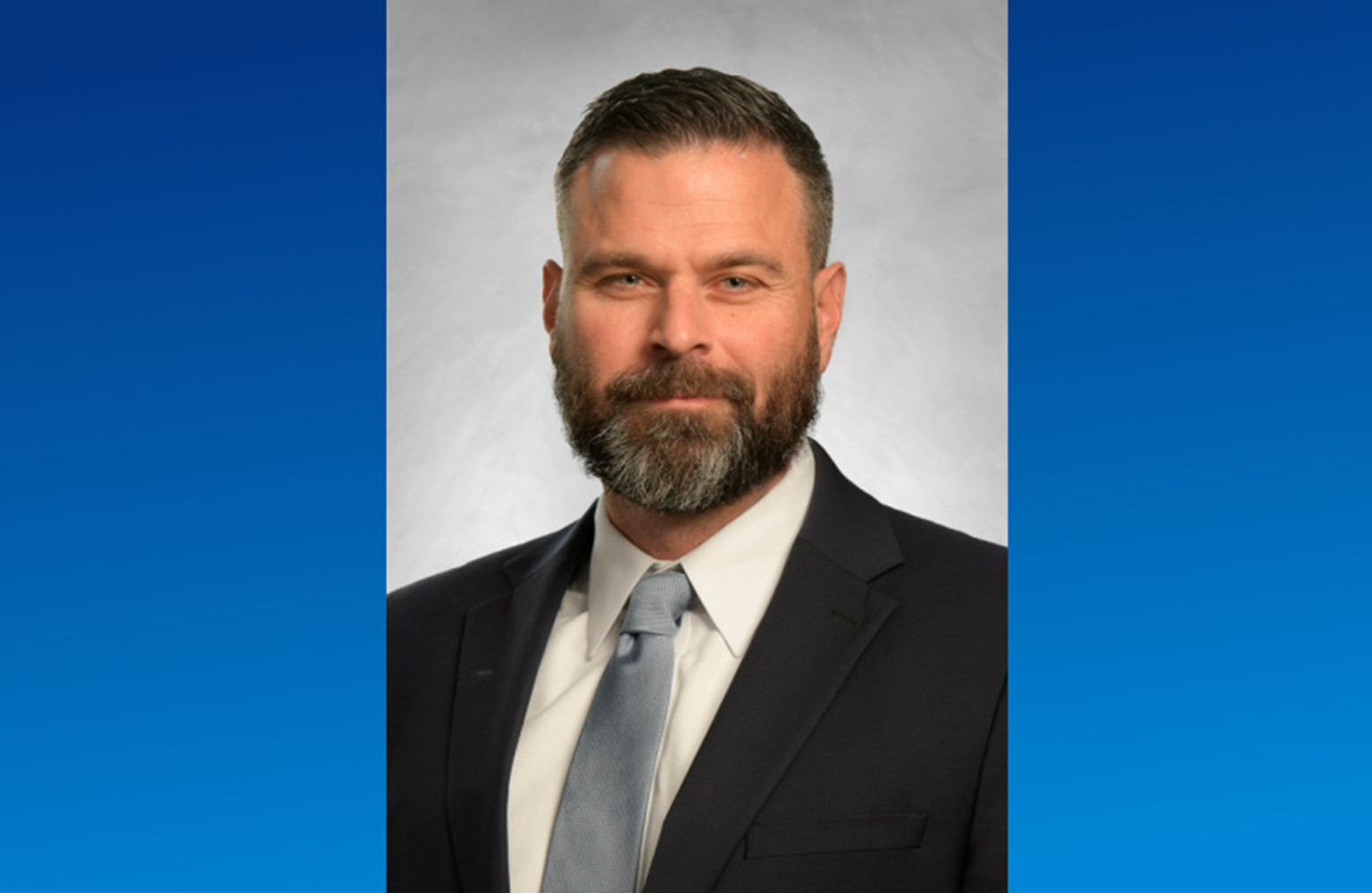
JCP&L President Doug Mokoid said the obvious when it comes to the state’s energy problem: New Jersey needs to generate more of its own energy. And it doesn’t matter where it comes from.
“The mix needs to be diverse,” he said.
Then he said what seems obvious to the state’s energy affordability problem: The biggest users of energy — data centers — need to pay for any upgrades that are needed to serve them.
“For data centers, or any large-load interconnection, my strong feeling is they need to pay 100% of the cost of any system upgrades,” he said. “If a large load takes up capacity without paying its fair share, that cost trickles down to customers when more grid upgrades are needed.”
Mokoid, speaking to BINJE last month in a wide-ranging interview, said making data centers — or other mega users — pay for infrastructure is the biggest way to combat the affordability issue in the state.
“They pay for the upgrades and don’t take capacity away from other customers,” he said. “Data centers and large-load interconnections need to be, at minimum, net neutral to customers — ideally net positive for our residential customers.”
Despite being the leader of one of the state’s largest utilities, Mokoid knows there are real challenges to implementing either idea. Generation policy and how data centers get regulated are largely up to the state, not JCP&L.
For now, Mokoid is focused on the parts of the business he does control — and the numbers suggest it’s working.
JCP&L’s reliability performance improved 15% from 2024 to 2025, and the utility is on pace for another 38% improvement year over year from 2025 to 2026, according to Mokoid.
Much of that gain is coming from an aggressive push to clear dead and diseased trees from along the utility’s lines — JCP&L identified more than 21,000 dead or diseased ash trees in a territory-wide survey and began removing them before its current rate case was even filed.
“I look at it as we’re going to avoid 21,000 outages when those trees fall,” Mokoid said. “Those trees are largely off right-of-way — we don’t own the trees. But I care about our customers. I don’t want them to be out of power, so we’re taking action now.”
He said this acknowledging that the most impactful action would more generation.
“New Jersey is a net importer of energy, which is not the most advantageous position,” he said. “We need more generation in our state, and I’m fairly agnostic on where it comes from, as long as it drives down costs for customers.
“We’re open to future discussions about generation, but the mix needs to be diverse — we shouldn’t be beholden to one source.”


