


Mike Renna has been clear throughout his nearly 30-year year career at South Jersey Industries that an all-of-the-above approach is needed for the state’s energy future.
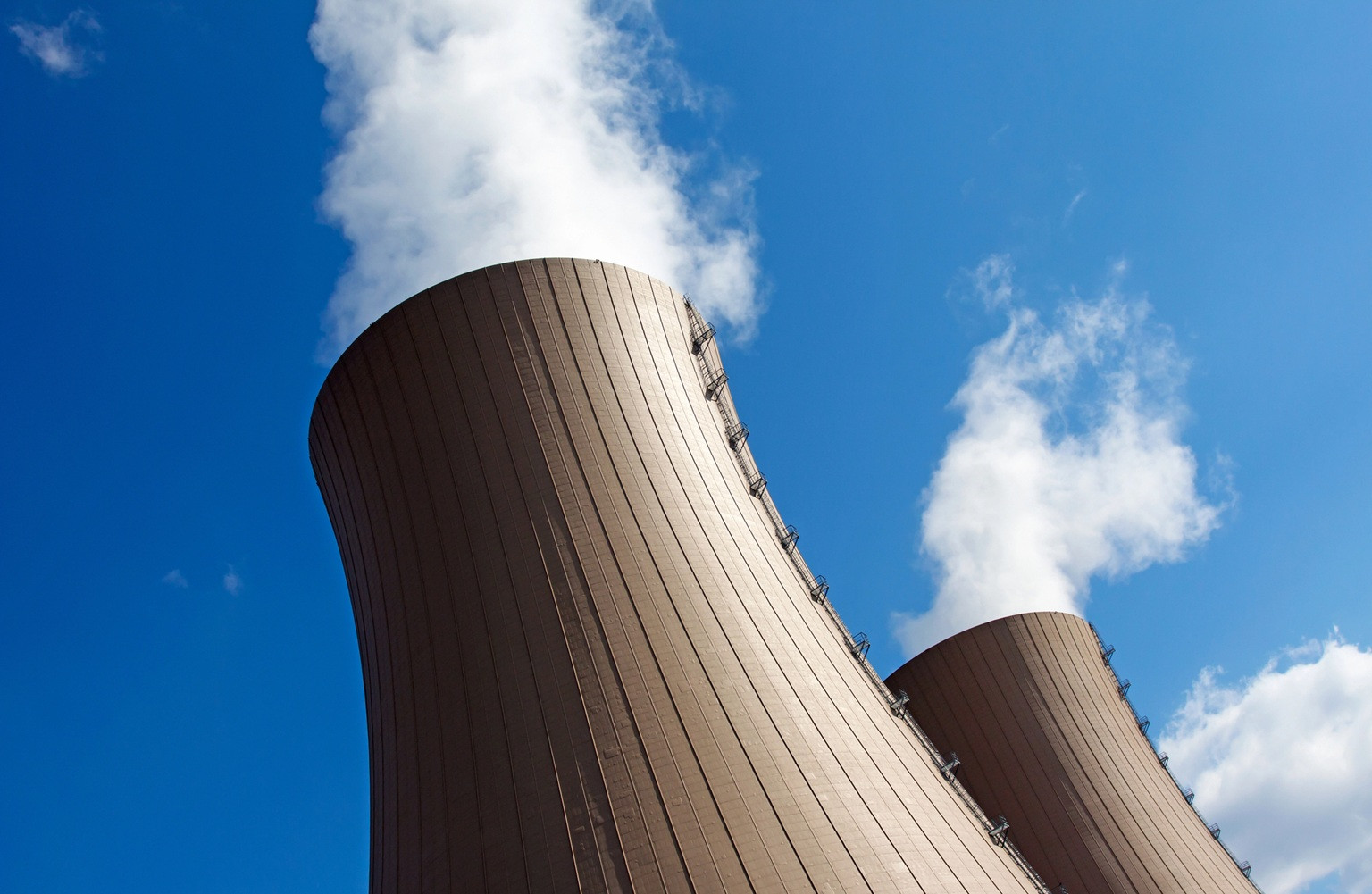
It’s a position he maintains as he prepares to retire, but one he notes must have nuclear at the top.
“New Jersey better start thinking about how quickly they want to get a shovel in the ground for nuclear, because that’s the answer,” he told BINJE.
It’s a striking position from an executive who spent his career on the gas side of the business.
“I’m a retiring gas guy, but I’m here to tell you I’ve flat out been a big supporter of nuclear,” he said. “As a lifelong New Jersey resident, we need to be building nuclear, and we needed to be starting that yesterday.”
Renna’s as-soon-as-possible push comes from simple math.
Solar can come online quickly, he said. Wind is a longer bet, five to seven years at best. Meaningful new gas generation takes time to build. Nuclear takes longest of all — which is exactly why he says the clock needs to start now.
“You’re talking 10, 12, 15 years for nuclear,” he said.
Read more on Mike Renna:
- Renna to retire as SJI’s CEO, capping a nearly 30-year run in South Jersey energy sector
- Retiring SJI CEO Renna: N.J. needs to get moving on nuclear, now
- Renna’s exit interview: Outgoing CEO of SJI on where the sector stands
Renna said Gov. Sherrill’s administration understands the urgency. He praised the governor for her announcement in April at the state’s existing plant in Salem, where she said updating outdated permitting rules is critical first step toward meeting soaring energy demand — and making N.J. a national leader in nuclear.
The moment was praised by other utilities and unions.
“I know Gov. Sherrill gets it, and she’s very supportive of it,” Renna said. “That’s going to take quite a bit of time, but that is clean — it’s carbon-free base load energy.”
Where and how it is generated is another question.
On the prospect of small modular reactors — a technology many states are exploring as a faster, more flexible alternative to traditional nuclear plants — Renna said the math still points toward existing sites rather than new locations.
“You could build significant capacity in a pretty quick period of time, but it feels like everybody’s leaning towards it being at an existing site — like an Oyster Creek,” he said. “I think that’s probably makes sense, because that’s where the other important infrastructure is.”
Safety and security concerns, he said, will likely keep it that way.
“I’m not sure we want a modular nuclear plant sitting in a Walmart parking lot,” Renna said. “Safety, security, transmission — I think those three things will probably lead to it being at some type of existing footprint.”
This is not to say Renna feels the state should abandon other avenues. In fact, he said the opposite.
“You’ve never heard me say anything other than it needs to be an all-the-above approach,” he said. “We need to do an integrated plan.
“We have to understand what New Jersey wants to be when it grows up, how we’re going to compete from an economic development perspective, and what energy is going to be required — and then we’ve got to solve for that.”
Much of the urgency, Renna said, traces back to a single question the state hasn’t fully answered: what role it wants to play in the data center and AI buildout that’s driving new electricity demand nationally.
“We have to figure out what New Jersey’s future looks like,” he said. “How are we going to play in the data center AI world? Or are we? Maybe that’s the first fundamental question.”


