


When word got out last month that Horizon Blue Cross Blue Shield of New Jersey was buying Summit Health, plenty of people did a double take. An insurance company buying a physician group?
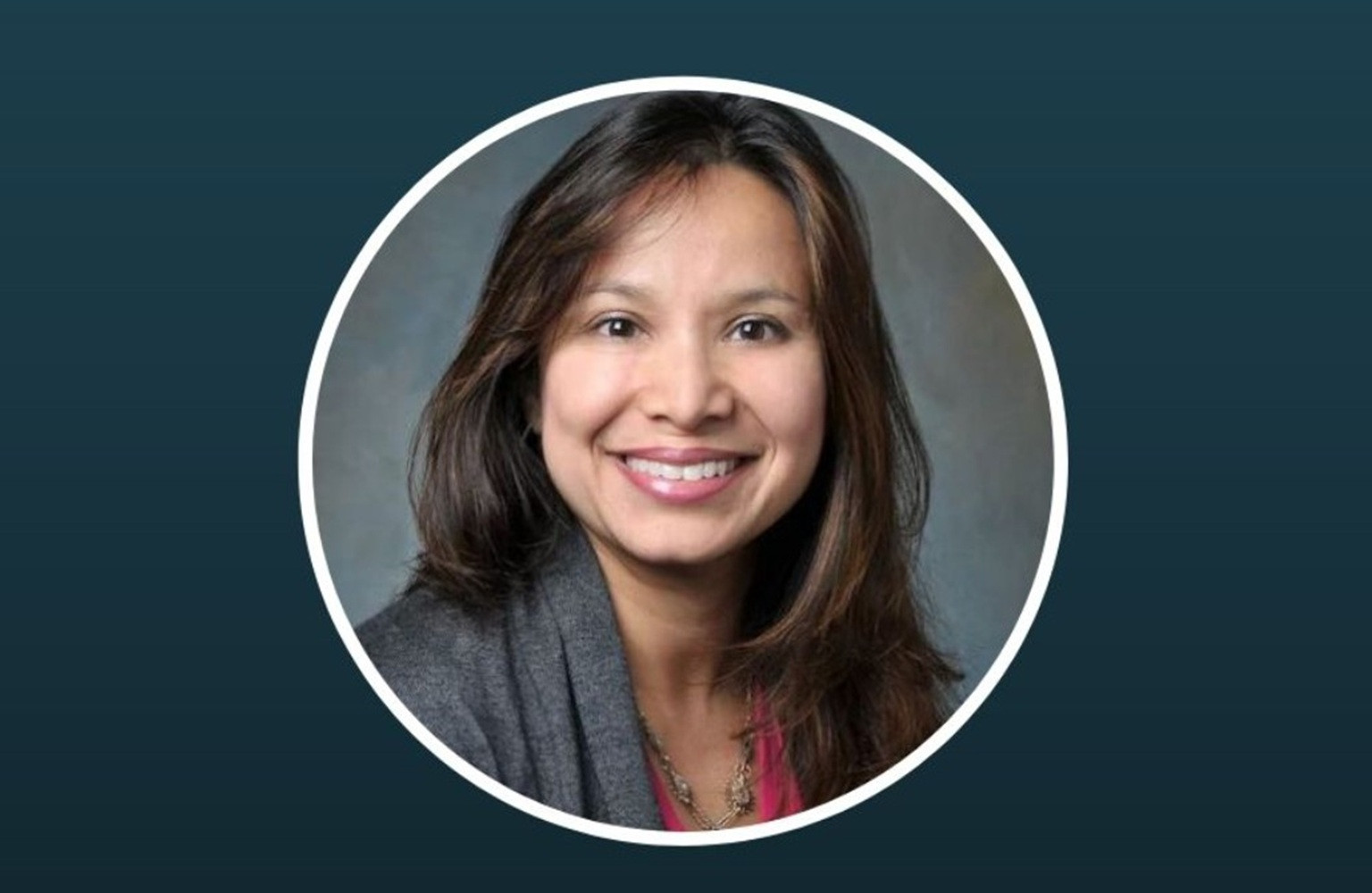
Dr. Nicole Henry-Dindial wasn’t one of them. Her first reaction was relief.
She and her Summit colleagues knew a sale was coming. They just didn’t know who the buyer would be. Private equity was one possibility, and a hospital system was another. Either one, she said, could have cost Summit its independence.
“We’ve been holding our breath, knowing that there were potential buyers,” she said. “But one of the most important things for us was to maintain our independence.”
Henry-Dindial said independence impacts cost and control. When a hospital buys a practice, she said, the same visit and the same X-ray in the same building can suddenly cost more, because of a facility fee. Research backs her up: a 2025 National Bureau of Economic Research study found that when hospitals acquire physician practices, prices rise, with little evidence that care gets any better.
“That X-ray and that doctor visit should not cost more because the hospital owns us,” she said.
Henry-Dindial, a family medicine physician for 29 years who joined Summit in 2012, is the president of the Medical Society of New Jersey. She is the first Summit doctor to speak publicly about the deal, though she notes she is speaking as a Summit Health doctor not in her role as MSNJ President.
The deal, which covers Summit Health’s New Jersey operations, including its CityMD sites, is expected to top $1 billion and is widely expected to receive regulatory approval.
Its impact on health care in New Jersey is huge. With more than 1,000 clinicians working from 123 locations, Summit Health and City MD see more than 1 million patients annually.
Here’s more of the conversation with Henry Dindial, edited for length and clarity.
BINJE: What makes being acquired by Horizon so impactful?
NICOLE HENRY-DINDIAL: Horizon’s business is in New Jersey, and their goal is to help the health of their patients in New Jersey. Summit Medical Group, when it was founded, was a New Jersey group, and that’s what we’ve always wanted to do: provide the patients in our communities with cost-effective, quality care.
We now have the ability with Horizon, hopefully, to grow our catchment areas and provide as many patients as possible the ability to get good quality care at a lower cost and know that your physician has that independence to say, “I think you’ll be better treated with Doctor X,” as opposed to everyone having to be funneled into Doctor Z because we belong to a system.
BINJE: Why should a patient care who owns their doctor’s practice?
NHD: If you’re a patient, you go and you see your physician. There is an unspoken trust that that physician is going to recommend to me things that are in my best interest.
As someone who had owned a practice, it also included: How can we provide that care at a cost that won’t bankrupt us? So, we need to be able to do something that’s cost-effective and good for the patient, but it allows us to maintain our independence.
BINJE: Let me push back a bit: Every time there’s a big deal in health care, we hear it will lower costs — and it almost never does. Why should anyone believe this is different?
NHD: One is something called site of service. If a health system owned us, we know that they receive higher reimbursement for the same care in the same location.
Hospitals are absolutely needed. And if someone needs to go to the emergency room and have imaging at 2 in the morning, we understand why that might cost more. But if a hospital acquires a practice, let’s say mine, and we were in the same building seeing the same patient, but ordering an X-ray, that X-ray and that doctor visit should not cost more because the hospital owns us.
BINJE: If it’s the same doctor, same building and same X-ray machine, why does the bill increase?
NHD: The hospitals get something called a facility fee that they apply across the board, regardless of whether or not a patient’s seen in an inpatient or outpatient setting. So that absolutely increases the cost of care. I think studies have shown that it’s anywhere from four to eight times the cost of what your typical bill would have been had that physician been able to maintain an independent practice.
BINJE: Hospitals would say those higher rates help pay for the patients who can’t pay at all. The latest study by the NJHA says their members contributed $7.8 billion to community health initiatives, with more than $5 billion of that going to cover costs of unpaid care. Shouldn’t they get the ability to recoup some of that for doing such a public good?
NHD: That’s true. Because of the EMTALA (Emergency Medical Treatment and Labor Act, a federal law enacted in 1986), they have to literally take everyone who comes in their ER. But at the end of the day, you really have to look at cost of care.
Is it really fair to have a private-pay patient pay four to eight times the amount of money for their care just because you happen to have acquired that physician practice? That care didn’t cost any more.
If we can do hip replacements and colonoscopies in an ambulatory surgery center, where the cost of care is significantly lower, shouldn’t we?
BINJE: Summit Health is not your ordinary physician group. Its noted size and reach are impressive. How does that impact care and cost?
NHD: When I had joined back in 2012, Summit decided to take on treating the whole patient, so it invested in creating a robust behavioral health program, because we know if someone’s mental health is not good, then everything else doesn’t really follow.
It also has created a pharmacy team. We know that at least 30% of prescriptions are left at the counter at the pharmacy. That’s a whole lot of wasted time — from a patient seeing a doctor, the doctor coming up with a treatment plan, prescribing it, and then that prescription is left there.
I tell my patients, if you get to the pharmacy and you can’t afford the medicine or there’s a barrier, please call us back. What we have at Summit is a pharmacy team, and they will then go through that patient’s insurance and figure out which medicine in that class is most affordable, and then directly talk to the patient.
BINJE: People at Summit talk about “the Summit Way.” Is that what they are talking about?
NHD: Absolutely. It’s our cost-effective care that looks at the entire patient. Our clinical care council is all physicians, and they retain that independence to say this is what good practice looks like.
We have patients who might be on a sleep medicine, and we know as they get older, the risk of falling is higher. We have created algorithms where our pharmacy team can actually meet with the patients via phone and help wean them off that dangerous, addicting sleep medicine and get them onto something else.
We do the same thing with our diabetics. New Jersey is one of the worst in the nation. I think we have an 18% higher hospitalization rate for our diabetics because they’re uncontrolled. Our pharmacy team can actually do what we call treat to goal.
So, we have the ability of some of the economies of scale, yet we’re retaining that clinical guidance that says patient-first care.
BINJE: All of this takes us back to where we started: Why you said you were happy that Horizon won the right to acquire Summit Health. If we meet again in a year, what do you hope to be able to tell me about the impact of this deal?
NHD: That we had a great marriage of two health entities that are really invested in the health of you in New Jersey.
I think a year from now, patients will say, “Wow, I’m able to get the same high-quality care from the same physician that I saw before, and that physician has retained the independence to continue treating me the way they did before.”


