


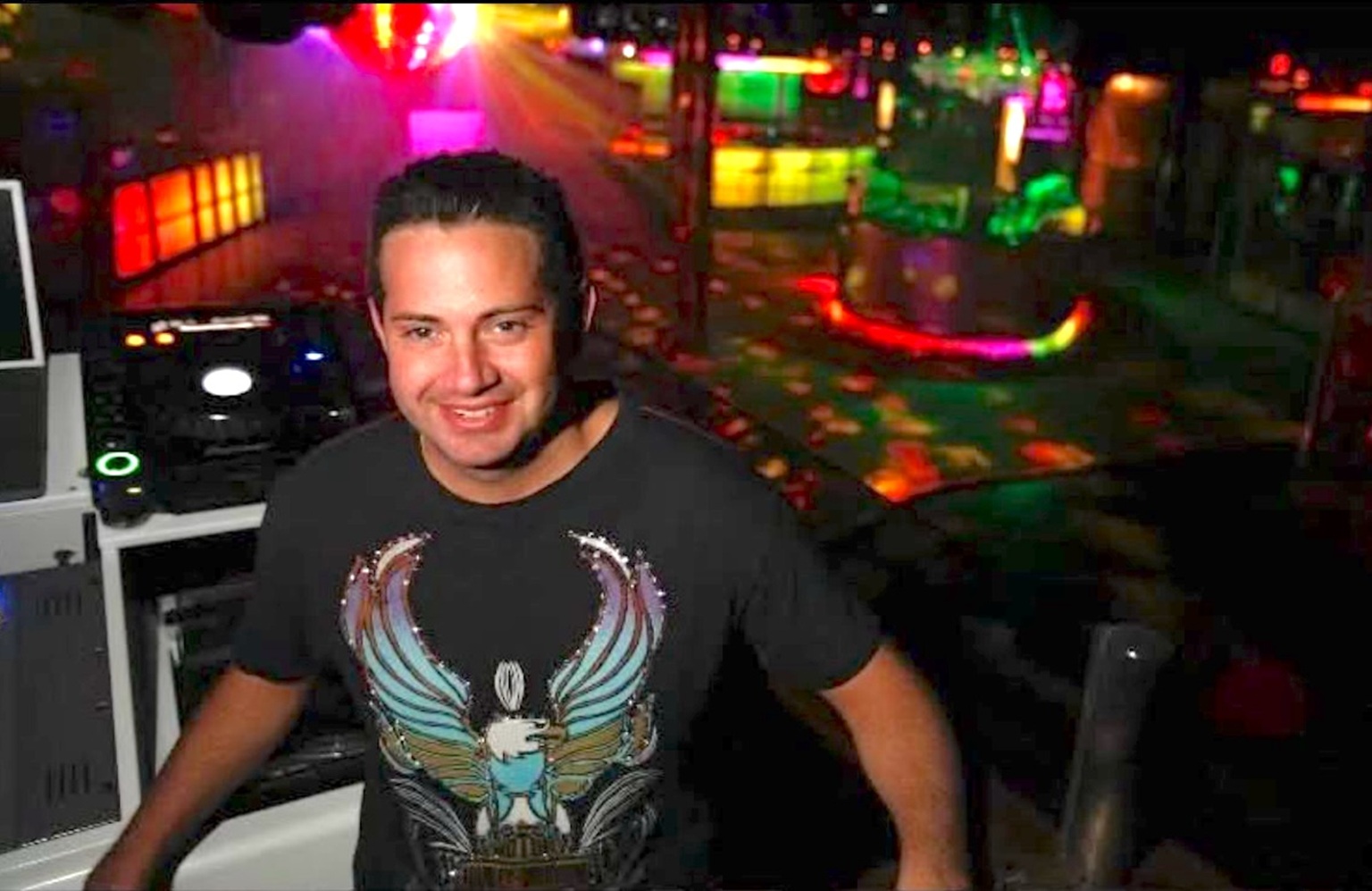
For more than three decades, New Jersey music promoter Tommy Dorfman has worked the club circuit and concert venues that helped shape the state’s live music scene. From the Meadowlands to the Jersey Shore, he built a career booking shows, promoting artists and navigating the business side of live entertainment long before ticketing became dominated by a handful of corporate giants.
That experience eventually put Dorfman on a collision course with Live Nation and Ticketmaster, the entertainment powerhouse that now controls much of the concert promotion and ticketing business across the country.
Dorfman has now spent 15 years pursuing legal action related to the company’s market power, arguing that its reach has squeezed out independent promoters and limited competition in the live music industry.
He is a regular on the music podcast circuit and his story has been profiled by NJ.com and others. So, when news broke earlier Monday that the U.S. Department of Justice had reached a tentative antitrust settlement with Live Nation — one that would change certain business practices but stop short of breaking up the company — Dorfman wasn’t surprised.
BINJE spoke with the longtime promoter about the settlement, the testimony that emerged during the federal trial and his belief that New Jersey Attorney General Jennifer Davenport is the right person to pick up the torch.
Q: What was your reaction when you heard about the Justice Department’s settlement with Live Nation?
A: Honestly, I was disappointed, but I can’t say I was surprised. For years people inside the business have been saying the same thing: Live Nation has extraordinary power over the live music industry. The government brought a case that could have forced a breakup of the company. Instead, what we’re seeing now is a settlement that tweaks some business practices but leaves the basic structure of the monopoly in place.
That doesn’t mean the issue is resolved. In fact, I think it proves the opposite.
Q: The testimony during the trial included allegations that Live Nation threatened venues that didn’t use Ticketmaster exclusively. What did you make of that?
A: That testimony was incredibly important because it confirmed what many people – notably yours truly — in the industry have experienced for years. When a company controls promotion, ticketing and access to major tours, it has enormous leverage.
The witnesses for the Barclays Center described exactly the kind of pressure tactics people have been talking about for a long time. When venues believe they might lose concerts if they work with a competitor, that’s not a competitive marketplace.
That’s the kind of behavior you see when one company has too much power.
Q: Some state attorneys general have said they plan to continue pursuing the case. What do you think about that?
A: Now that is incredibly important. The judge in the case has already expressed concerns about how the settlement was handled, and several states have said they want to keep pushing forward.
So, when I saw the statement from Jennifer Davenport, our Attorney General here in New Jersey, saying she was “fully committed” to breaking apart the Live Nation monopoly, I knew we were in good hands.
This isn’t just a federal issue. It affects venues, artists and audiences in every state in the country. If states decide to keep fighting, that tells you the concerns about monopoly power are very real.
Q: Your own legal fight with Live Nation has now stretched more than 15 years. Why keep pushing?
A: Because the problem hasn’t gone away.
When one company has this much influence over who gets access to venues, who promotes tours and who sells tickets, it affects everyone involved in the business. Fans feel it in the prices they pay. Artists feel it when they try to build a career. Small promoters feel it when they try to compete.
I’ve spent a decade and a half on this because I believe the industry deserves a level playing field and I will see this through and get my day in court because I have the evidence and experts who can prove what Live Nation really is and what they did to me and others like me.
Q: What would real competition in the live music industry look like to you?
A: It would mean venues could choose their ticketing partners without fear of losing shows. It would mean independent promoters could compete to bring artists to market. It would mean innovation in ticketing and pricing instead of the same system dominating everything.
Most importantly, it would mean fans get a fair shot at tickets without feeling like the system is stacked against them.
Q: Does the DOJ settlement change your resolve at all?
A: Not at all.
Just because the Justice Department stopped fighting today doesn’t mean I will. I’ve been at this too long, have rejected too many offers to settle and I’m not blinking now.
Monopolies don’t just hurt one group of people. They hurt everyone: fans, artists, emerging talent and the small promoters who helped build this business in the first place.
This fight is bigger than me, and I intend to see it through. It’s important to me that this testimony and evidence is heard – by a jury and by the concert-going public.


