


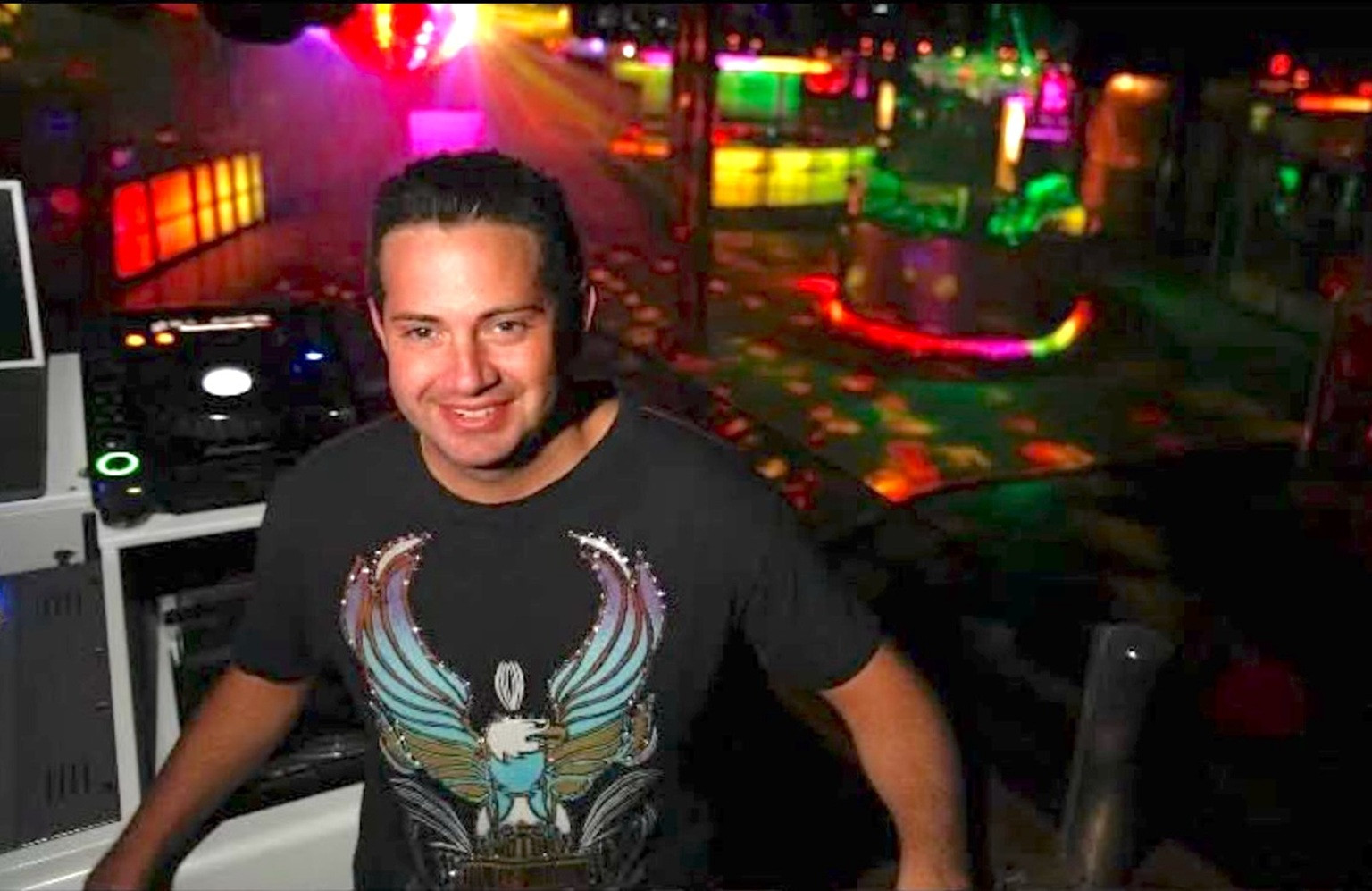
Fourteen years after filing suit against Live Nation Entertainment, New Jersey promoter Tommy Dorfman is still waiting for his day in court. On Friday, he was scheduled to appear before a federal judge in Newark for a pivotal evidentiary hearing — one that could determine whether nearly 500 internal Live Nation documents become part of the public record.
Dorfman’s hearing was postponed just hours after NJ.com dropped this piece chronicling what it called his David vs. Goliath battle. (The new hearing date is Nov. 18.) His case, long dismissed by some as a personal feud, has gained new weight as the U.S. Department of Justice and Federal Trade Commission pursue parallel lawsuits accusing Live Nation and Ticketmaster of monopolizing the live music industry — echoing claims Dorfman has been making since 2011. We spoke with Dorfman about his long fight, what his next hearing means, and how his once-obscure lawsuit helped spark a national reckoning over corporate power and ticket prices.
BINJE: Tommy, after 14 years, you’re finally heading back to court. What’s at stake in Friday’s hearing?
Dorfman: It’s really about transparency. Live Nation is trying to block almost 500 internal documents that my team obtained through discovery years ago. The evidence already forms part of our case, but LN and their attorneys are experts at shenanigans and delays.
We’re approaching 15 years of litigation, and Live Nation has fought 98% of the case on technicalities and not facts, and they are winning. But those records show how the company operates — how it pressures artists, venues and co-promoters, how they cook the books, how much money is syphoned away after each event, and how they destroy competitors and critics alike. If the judge allows them in, the public will finally see what I’ve seen for over a decade.
BINJE: What do those documents show about Live Nation’s business model?
Dorfman: They confirm what I’ve said from the start — that this company runs a financially predatory monopoly. My expert, Dr. Richard Barnett from Middle Tennessee State University, found evidence of secret vendor rebates, inflated expenses and even two sets of accounting books. Those practices make shows look less profitable to artists while Live Nation pockets the difference. That same report was accidentally made public, and within months the Justice Department filed its own antitrust suit. In Jersey, we just call the business model, a racket.
BINJE: How does your case connect to the federal lawsuits now targeting Live Nation and Ticketmaster?
Dorfman: The government is finally catching up to what independent promoters have been living through. The DOJ and FTC lawsuits use the same words we’ve been using since 2011 — “retaliation,” “exclusive contracts,” “market manipulation.” I think my case helped open that door. Once the expert report went public – and Dr. Barnett is literally the guy who wrote the book on this industry — regulators couldn’t ignore it anymore. You can’t just sweep this under the carpet when 2 sets of books with drastically different numbers/profitability, in the billions, are staring you in the face.
BINJE: Take us back to the beginning. How did this all start?
Dorfman: I had a signed deal to stage a major EDM festival at the Meadowlands in 2011 as part of a 10-year exclusive contract (5 year plus renewal). Contract, venue, production, marketing, funding and ticketing all set. We were booking Tiësto, David Guetta — it was ready to go.
Then Live Nation got wind of it and told artists and agents they’d be blacklisted if they worked with me. They warned the Meadowlands it would lose future bookings if it didn’t cut ties with my company, Juice Entertainment.
In the Live Nation New York President’s own recorded confession at the time, he admitted we were “ambushed”. Live Nation called me and my team “thieves” and “serious liability” to my partners, the venue, agents, artists and others. Live Nation told the venue that my event will bring drugs and death.
Overnight, everything collapsed.
BINJE: What was the personal toll of taking on a $37 billion corporation?
Dorfman: Devastating. There’s no other way to describe it. I lost my business, my home, everything I’d built. For a month I lived in my car before a friend took me in. I started selling cable door-to-door just to survive. But I never walked away. I’ve spent hundreds of thousands of dollars of my own money because after what I have seen from evidence collected from LN, I feel a moral obligation to bring this into the light.
BINJE: The DOJ suit calls Live Nation a monopoly. What’s your own view of the company’s power?
Dorfman: It’s absolute. They own the venues, they book the artists, they sell the tickets through Ticketmaster. They profit at every stage. That’s not a free market — that’s a chokehold. It’s why families can’t afford concert tickets anymore. When you have one company controlling the experience from end to end, prices go up and innovation dies. I think it has gone even beyond a monopoly at this stage, it’s a criminal enterprise, I would submit. Threats, intimidations, extortions, cooking books, espionage, stalking, fraud, etc., are all part of Live Nation’s business model, and we have the receipts within our 500+ trial exhibits.
BINJE: How do you respond to Live Nation’s claim that it faces more competition than ever?
Dorfman: A conman will always seek to deflect and hide under mountains of BS to escape liability/accountability. I believe in Santa Clause, but such claim is simply against evidence and reality.
Live Nation seems to believe, if you tell a lie loud enough and enough times, it becomes true or at least distracting enough to hide the truth. If reality supported Live Nation’s claims, promoters like me would still exist and you would not have to skip a mortgage payment to see a concert. These artists are packing stadiums and leaving with very little profit if any. Small indie venues, artists and promoters are endangered species. Any dissent, let along competition, all have been driven out because Live Nation punishes anyone who steps out of line.
Even big name artists won’t cross them. Their “competition” argument is the same spin they used when they merged with Ticketmaster in 2010. Back then, Congress warned this would crush the industry — and it did.
What’s amazing is that despite overwhelming evidence and facts, Live Nation is arrogant enough and holds enough contempt for rules of law and fans, that they keep pushing their BS while keep raising ticket prices. The BS will only go away when the public sees the two sets of books, the threats, the espionage, bribes, lies and reckless accounting in open court.
BINJE: What do you hope will come out of this month’s hearing — and out of your case overall?
Dorfman: I want a full trial and a public record. I want the industry to change. Maybe it ends with Live Nation being broken up, maybe it just ends with fairness restored — either way, the truth has to come out.
I’m doing this for the artists, the promoters and the fans who’ve been priced out of live music. If you have seen the evidence I have, you will feel a moral obligation to fight as well.
About the case
Dorfman filed Dorfman v. Live Nation Entertainment et al. in 2011 in the U.S. District Court for the District of New Jersey. A key evidentiary hearing was scheduled for Friday, Oct. 17, 2025, at 11 a.m. in Newark federal court. But the hearing was abruptly rescheduled within the past few hours without warning or explanation from the trial judge.


