


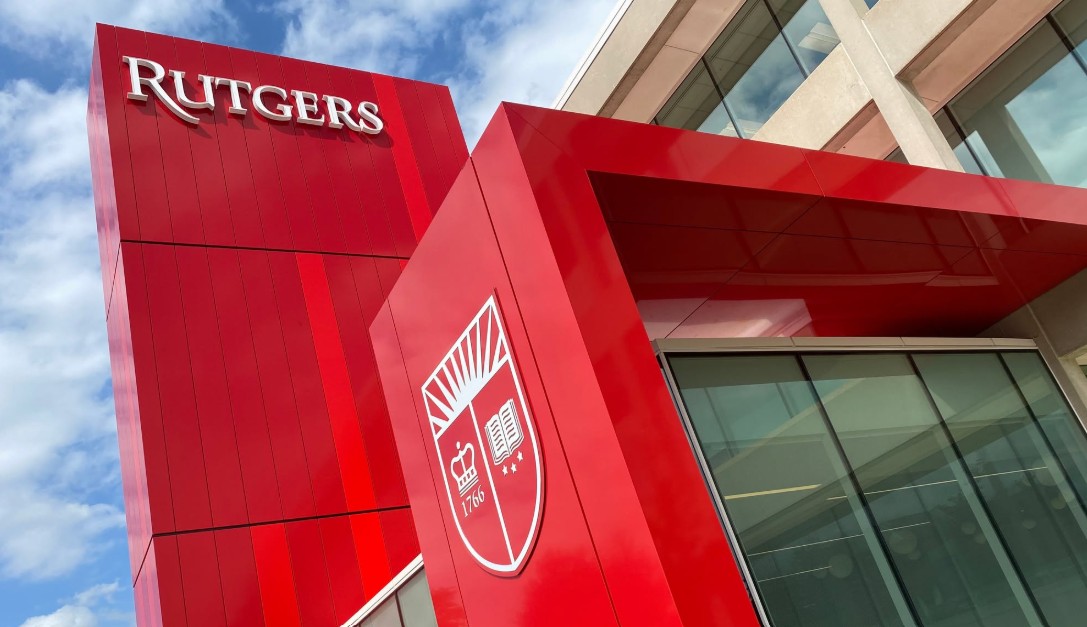
The Rutgers Board of Governors has approved a $6.2 billion operating budget for the 2026-2027 academic year, prioritizing student affordability and fiscal discipline amidst a challenging economic landscape for higher education.
The newly adopted budget includes a 3% increase in tuition for both in-state and out-of-state students. According to university officials, this marks the lowest tuition increase in four years and is positioned well below the current rate of inflation.
Rutgers, like many universities nationwide, is currently navigating significant financial pressures, including increased costs for utilities, technology, and facilities, as well as uncertainty regarding federal funding and enrollment trends. To maintain a balanced budget, the university has implemented strategic cost-containment measures, including a university-wide hiring freeze.
“At a time when colleges and universities across the country continue to face significant financial headwinds and uncertainty, this balanced budget demonstrates disciplined stewardship and thoughtful planning,” Rutgers President William Tate said. “This budget positions Rutgers to move forward from a foundation of fiscal responsibility and strategic confidence.”
Despite the tuition adjustment, the university maintained its commitment to financial aid. Under programs such as the Scarlet Guarantee (New Brunswick), RU-N to the TOP (Newark), and Bridging the Gap (Camden), students from families with an adjusted gross income (AGI) of up to $65,000 continue to pay zero for tuition and mandatory fees.
Data from the previous academic year shows the impact of these initiatives: nearly 80% of Rutgers undergraduates received some form of financial aid, with over 60% receiving need-based assistance and nearly 38% qualifying for Federal Pell Grants.
For a typical full-time, in-state arts and sciences undergraduate at Rutgers, the tuition increase averages $448 for the year, bringing the total to $15,381. Combined with an estimated $117 increase in mandatory fees, the base cost structure remains a focus for the Board of Governors.
The university’s spending plan distributes its $6.2 billion in resources across several core areas:
- 33.1%: Classroom instruction and academic support
- 21.1%: Health care and public service
- 15.8%: Administration and operations
- 10.8%: Student scholarships, financial aid, and services
- 10.4%: Sponsored research
- 5.4%: Auxiliary enterprises (housing, dining, parking)
- 3.4%: Division I Athletics
Board of Governors Chair Amy Towers credited the budget’s feasibility to the continued support from the State Legislature and Governor Sherrill, noting that these funds are essential for preserving Rutgers’ mission as a leading center for research and public service.
“The Board of Governors has approved a balanced budget that reflects Rutgers’ values and limits tuition and fee increases to below the rate of inflation,” said Towers. “It addresses the fiscal realities facing higher education… with a disciplined focus on long-term financial strength,” she said.


