


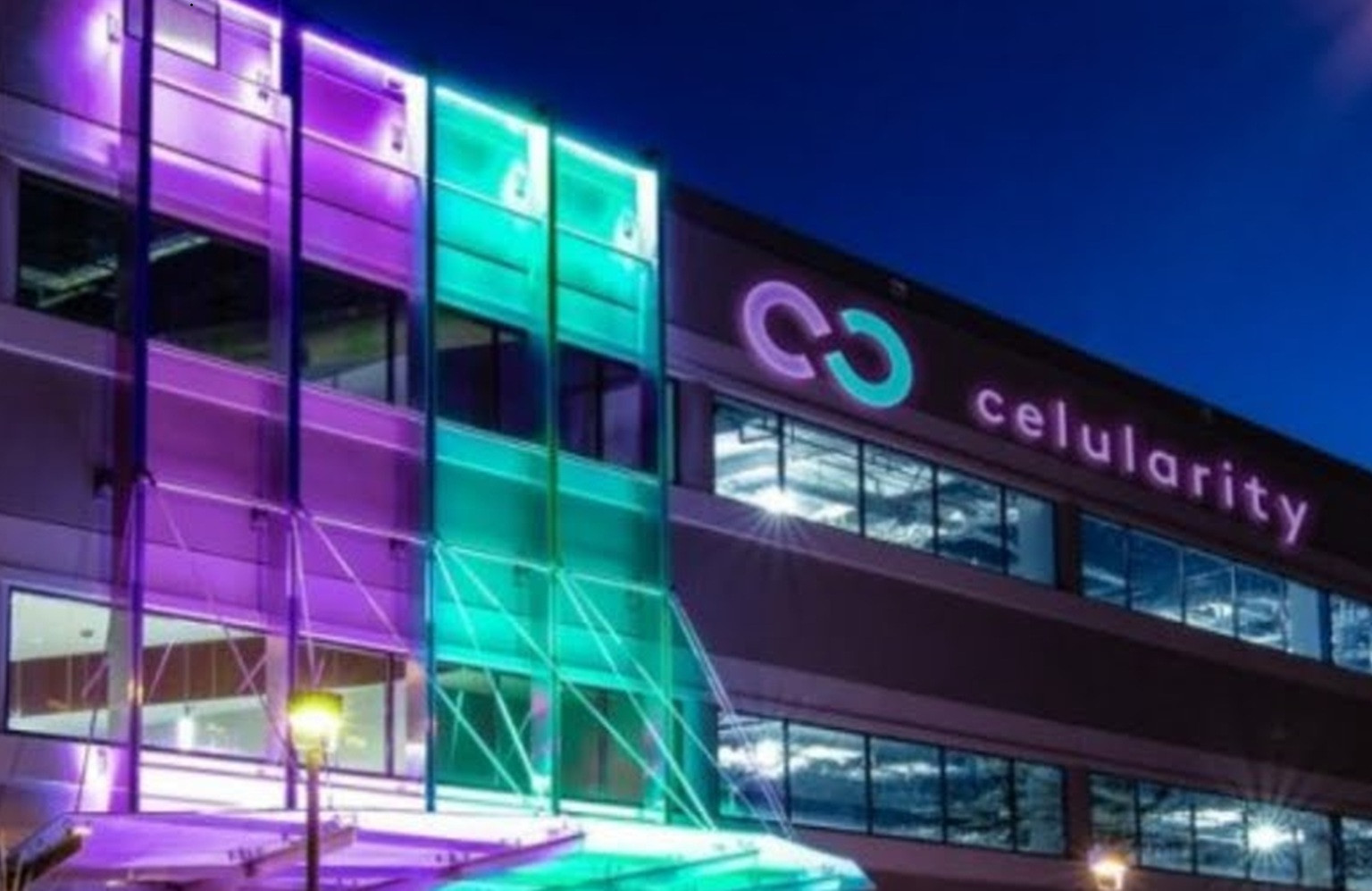
New Jersey obviously has a long history of life science innovation. Life science manufacturing is another issue.
At a time when the state is working to increase its manufacturing base, Celularity and Singapore-based MuseCell Innovations are teaming up to give New Jersey a big win. Late last month, the two companies announced a manufacturing collaboration that could generate more than $300 million in purchases for Celularity over five years and support more than 200 high-tech jobs at its Florham Park facility.
The announcement comes weeks after another big victory — BeOne Medicines adding $300 million to its Hopewell campus, pushing its total New Jersey investment past $1 billion in two years — but also weeks after a tough defeat, when Bristol Myers Squibb, headquartered in Princeton, chose Houston over New Jersey for a new $2.3 billion manufacturing campus.
Celularity and MuseCell officials say they’re all in on New Jersey.
Under the initial agreement, Celularity will establish U.S. production of MuseCell Innovations’ Dezawa MuseCells, or DMCs, using qualified perinatal, bone marrow and adipose starting materials under MCI’s licensed Dezawa Method. The companies also plan to manufacture DMC-derived products, including Dezawa MuseExosomes and Dezawa MuseSecretome.
If the initial project succeeds, the partnership could expand further — the broader collaboration MCI estimates could top $300 million in aggregate purchases from Celularity over the next five years.
“Cellular medicine remains at the center of Celularity’s strategy, including our continued advancement of our proprietary placental-derived technologies,” Celularity Founder and CEO Robert Hariri said.
“Our collaboration with MCI demonstrates how the manufacturing infrastructure and cellular expertise we have built can also support innovative third-party technologies.”
Gov. Mikie Sherrill welcomed the deal as evidence of the state’s manufacturing push.
“By bringing a $300 million in business and more than 200 new jobs to New Jersey, Celularity and MuseCell Innovations are making it clear that our state is open for business,” she said. “New Jersey is the medicine chest of the world, and my administration will keep working to make our government more accountable for businesses and position our state as the global leader in life sciences.”
What made Celularity competitive for this deal wasn’t a new incentive package or a groundbreaking — it was infrastructure the company already had. Its Florham Park facility includes a cGMP-ready manufacturing center with nine Grade C/ISO 7 and six Grade D/ISO 8 suites, built for commercial production of cellular therapies and advanced biomaterials.
MuseCell Innovations CEO Dominik Duscher said that existing capacity was central to the decision.
“Celularity brings the infrastructure and technical depth required to establish U.S. manufacturing across qualified bone marrow, adipose and perinatal sources,” he said.
Professor Mari Dezawa, who discovered the Muse cell platform and chairs MCI’s Scientific Advisory Board, said scaling the technology depends on preserving the method behind it.
“Celularity provides an important opportunity to scale that approach in the United States, adding another home to the DMC global production,” she said.


