


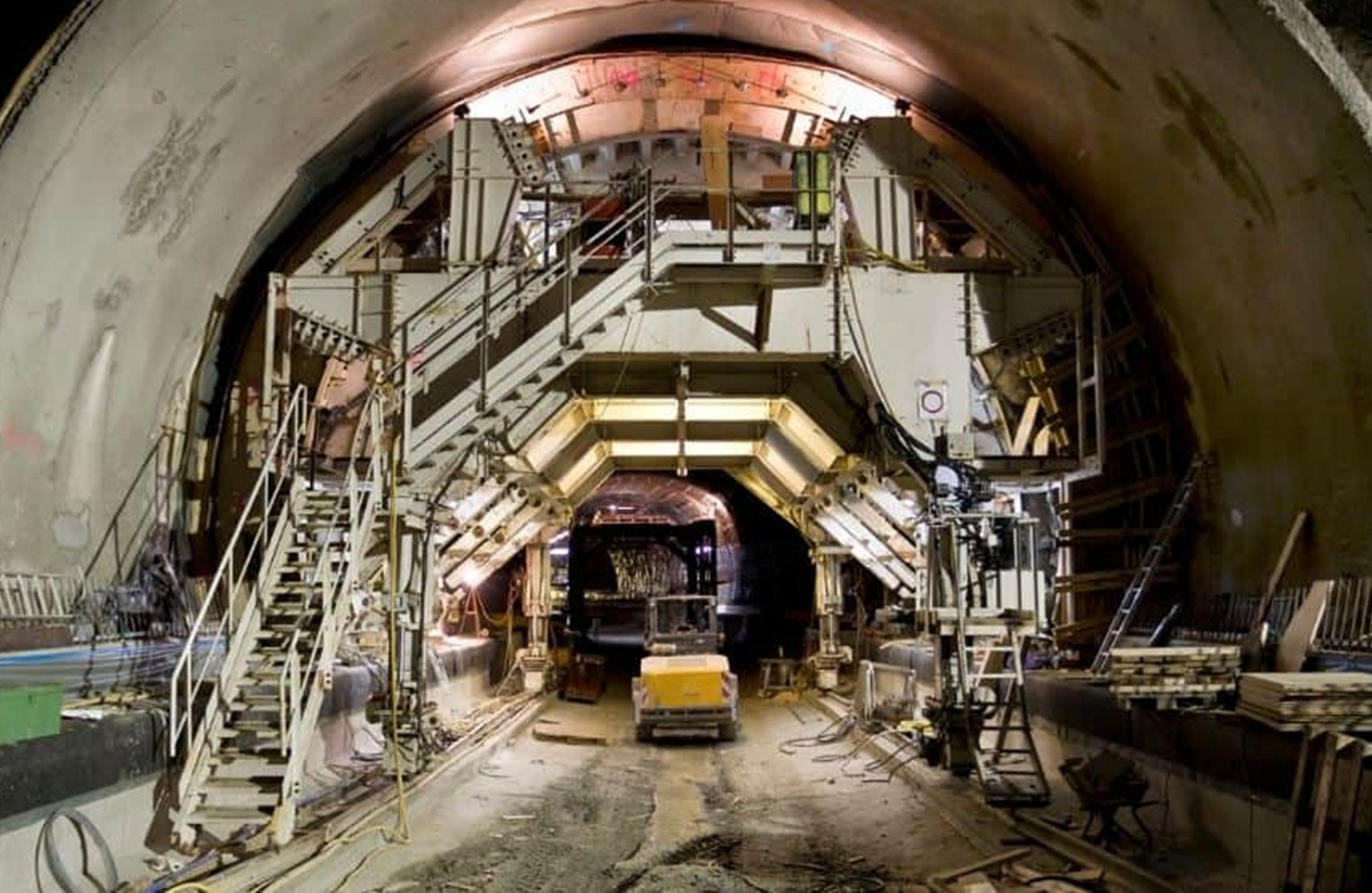
With a potential shutdown of the biggest infrastructure project in a century just days away, the Gateway Development Commission on Monday filed a lawsuit against the federal government in the U.S. Court of Federal Claims seeking judgment that would release contractually-obligated grant and loan funds for the Hudson Tunnel Project.
If the additional funding does not become available by Feb. 6, construction of the Hudson Tunnel Project will have to pause, resulting in the loss of nearly 1,000 jobs, GDC officials said.
The argument is simple: The funds already have been appropriated; they just need to be released. (Read full complaint here.)
The federal government suspended the release of its contractually obligated funds since Oct. 1, 2025.
In the months since, the GDC has worked cooperatively with its federal partners to meet their requirements for restoring funding. GDC responded thoroughly and promptly to each request for information about the project’s federally mandated Disadvantaged Business Enterprise program and provided documentation that the project is in compliance with the Administration’s latest regulations.
The lawsuit makes clear that the shifting explanations the administration has provided for this breach are plainly unlawful.
New Jersey Gov. Mikie Sherrill, who made her willingness to fight for the tunnel project a campaign theme, reiterated that idea Monday night.
“I made a commitment to fight for Gateway and New Jersey’s economy, which is why we’re taking action to hold the Trump Administration accountable for breaching its contract,” she said. “When it comes to fighting for jobs and opportunity in New Jersey, I’m all in.”
GDC CEO Tom Prendergast said the goal always has been to work with the federal partners to get funding flowing again. The suit is the last resort.
“We must hold the federal government to its contractual obligations so that construction is not halted,” he said. “It’s our responsibility to fight for the nation’s most urgent infrastructure project and the nearly 1,000 workers whose jobs are threatened.”
GDC has utilized available funding sources and credit to keep the project moving forward as planned while federal funding disbursements are paused. However, GDC announced at its Jan. 27 board meeting that all available sources and credit have been exhausted, and that construction must pause by Feb. 6 if federal disbursements do not resume.
The tunnel project is an urgent investment in America’s passenger rail network that involves building a new train tunnel connecting New Jersey and New York under the Hudson River and rehabilitating the North River Tunnel, which has been in service since 1910 and is a source of chronic delays for hundreds of thousands of daily riders.
Pausing construction will result in the immediate loss of nearly 1,000 jobs. An extended pause would put at risk approximately 11,000 jobs on the current projects, as well as the 95,000 jobs and $19.6 billion in economic activity that construction of the HTP is anticipated to generate overall.
It also increases the risk that the 116-year-old North River Tunnel – already a leading cause of delays that impact hundreds of thousands of daily riders – will shut down, severing the most heavily used passenger rail line in the country and leading to billions of dollars in lost time and productivity.
And unlike other federal shutdowns, stopping and starting would have serious financial consequences, Greg Lalevee, the business manager for IUOE Local 825 told BINJE.
“People think a shutdown just means turning the lights off and coming back a few weeks later,” Lalevee said. “How do you shut down a massive construction site, even for three days? You don’t just stop and start again.”
And the damage isn’t temporary, he said. It compounds, driving up costs, slowing schedules and potentially undermining the entire project long-term.
Jerry Keenan, the head of the influential Alliance for Action, agreed.


