



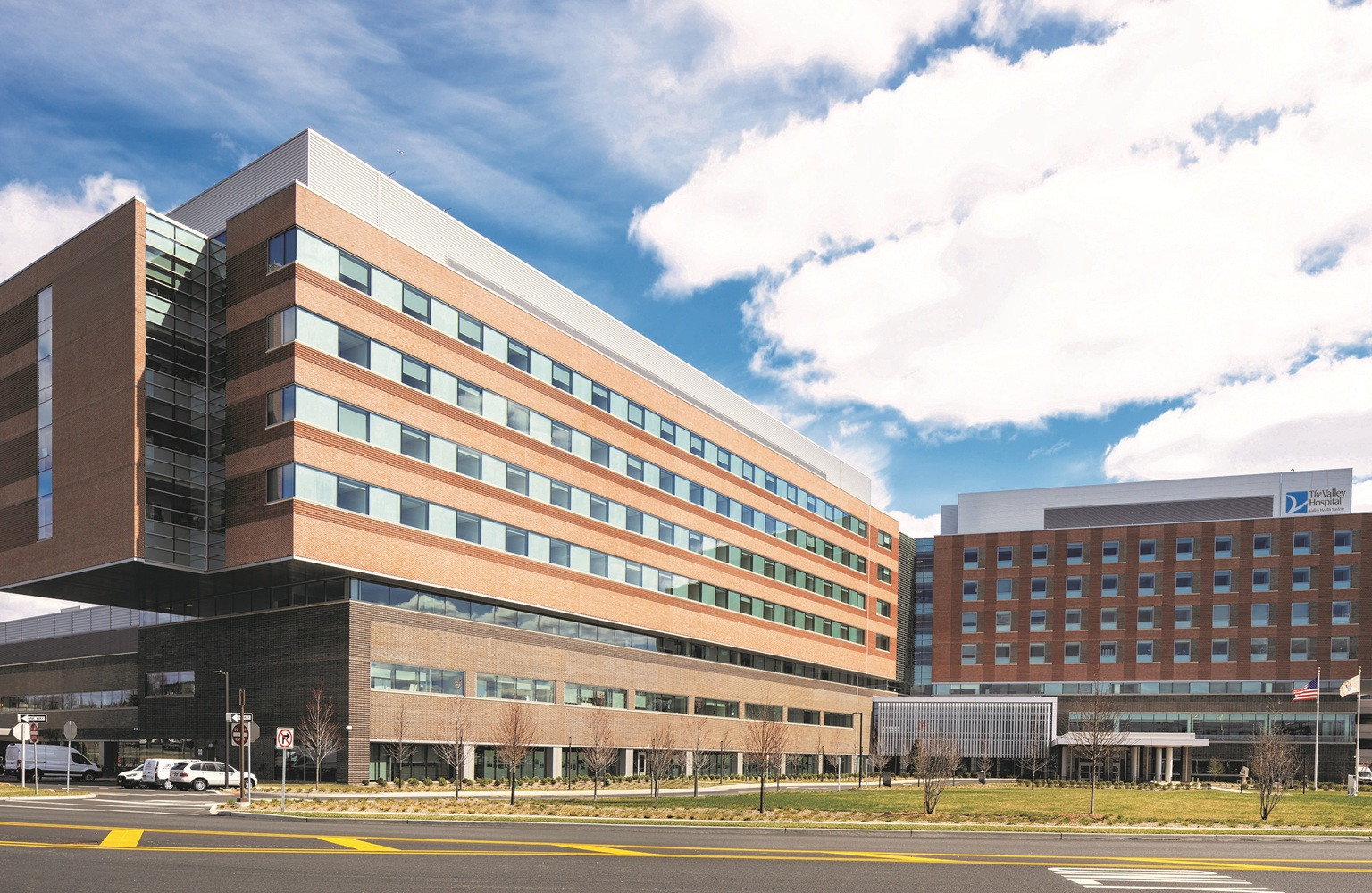
When Valley Health System opened its new hospital in Paramus in April 2024, the expectation was that demand would increase throughout the system. What leadership did not anticipate was the speed and scale of that increase — or how quickly it would redefine Valley’s role in regional health care.
The numbers are overwhelming, with volumes increasing across the board by more than 12%. There were more than 32,000 hospital admissions and more than 82,000 emergency department visits across a system that still uses its older facility in Ridgewood — growth typically seen over several years, not in a matter of months.
Read more about Valley Health
- At Valley Health System, success has created a new challenge: Handling increased demand
- 10 things about … Valley Health System
- Quality over quantity: Why Valley Health has no interest in merging
- Why medical education is central to Brenner’s vision for Valley
- Where AI fits — and where it doesn’t — at Valley Health
“Since we opened in April of 2024, we’ve been extraordinarily busy,” Dr. Robert Brenner, the CEO of Valley Health System, said. “In fact, we have seen the busiest times in our 75-year history.”
The reasons are both plentiful — and a warning for the future.
They start, of course, with the new hospital itself.
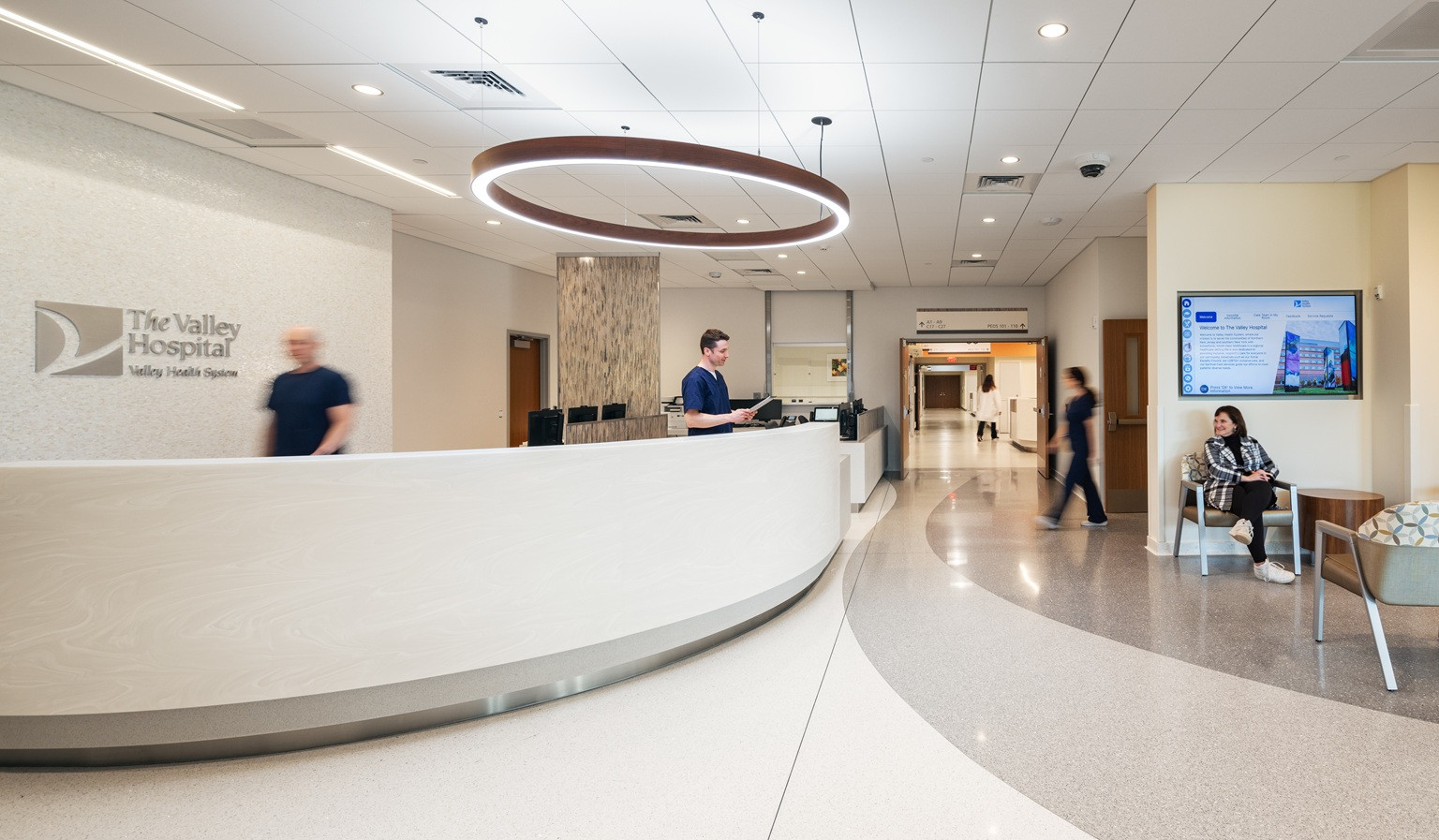
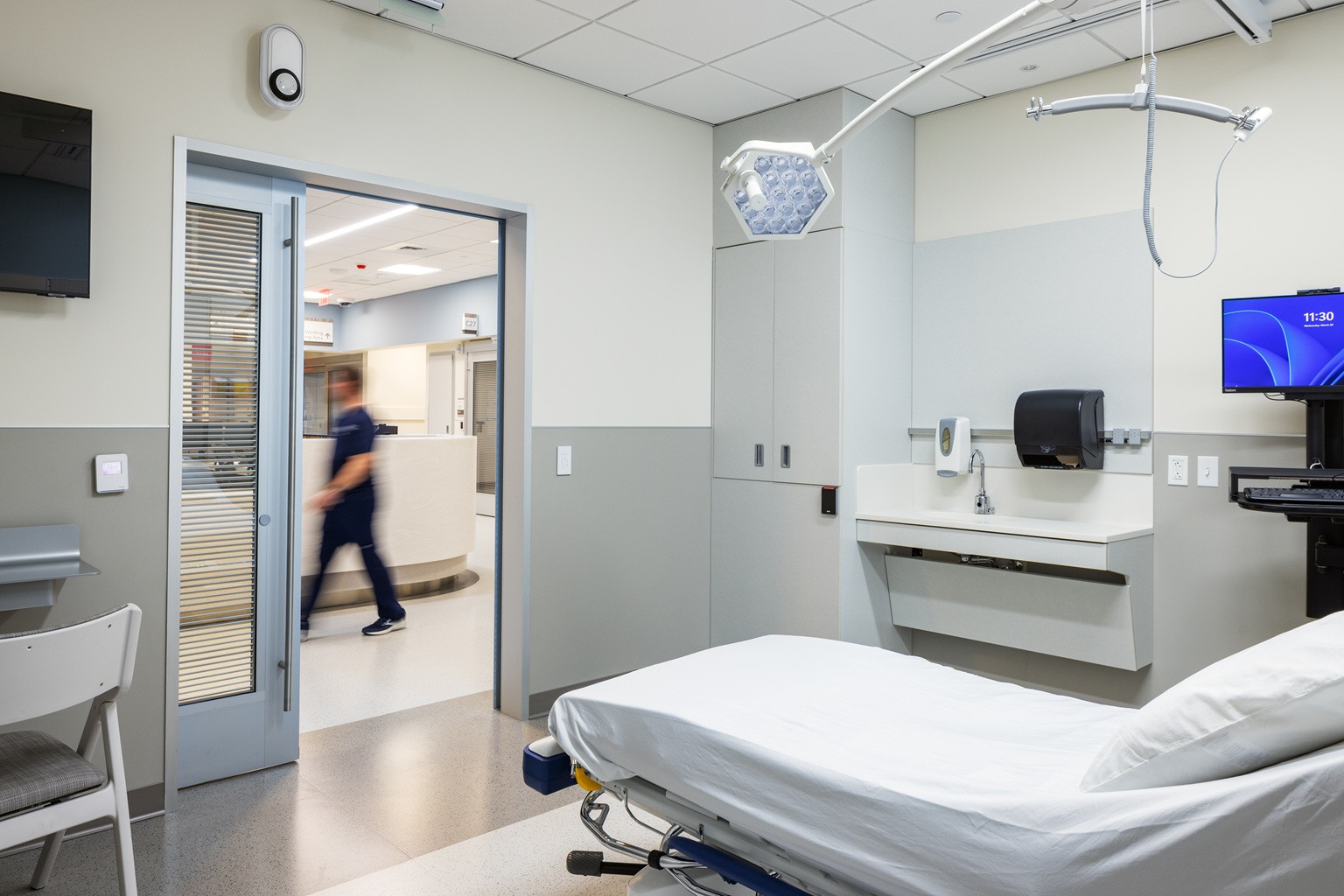
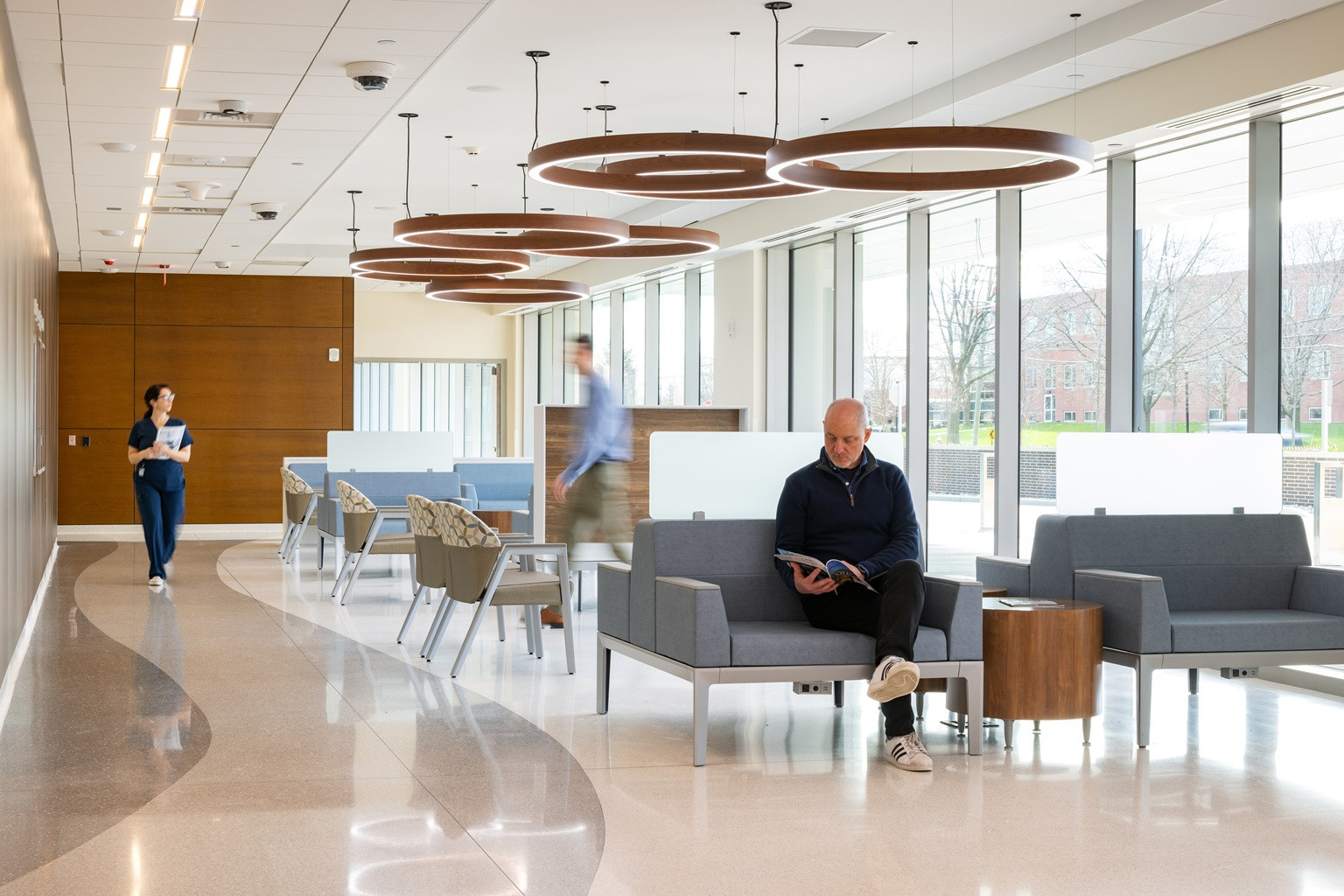
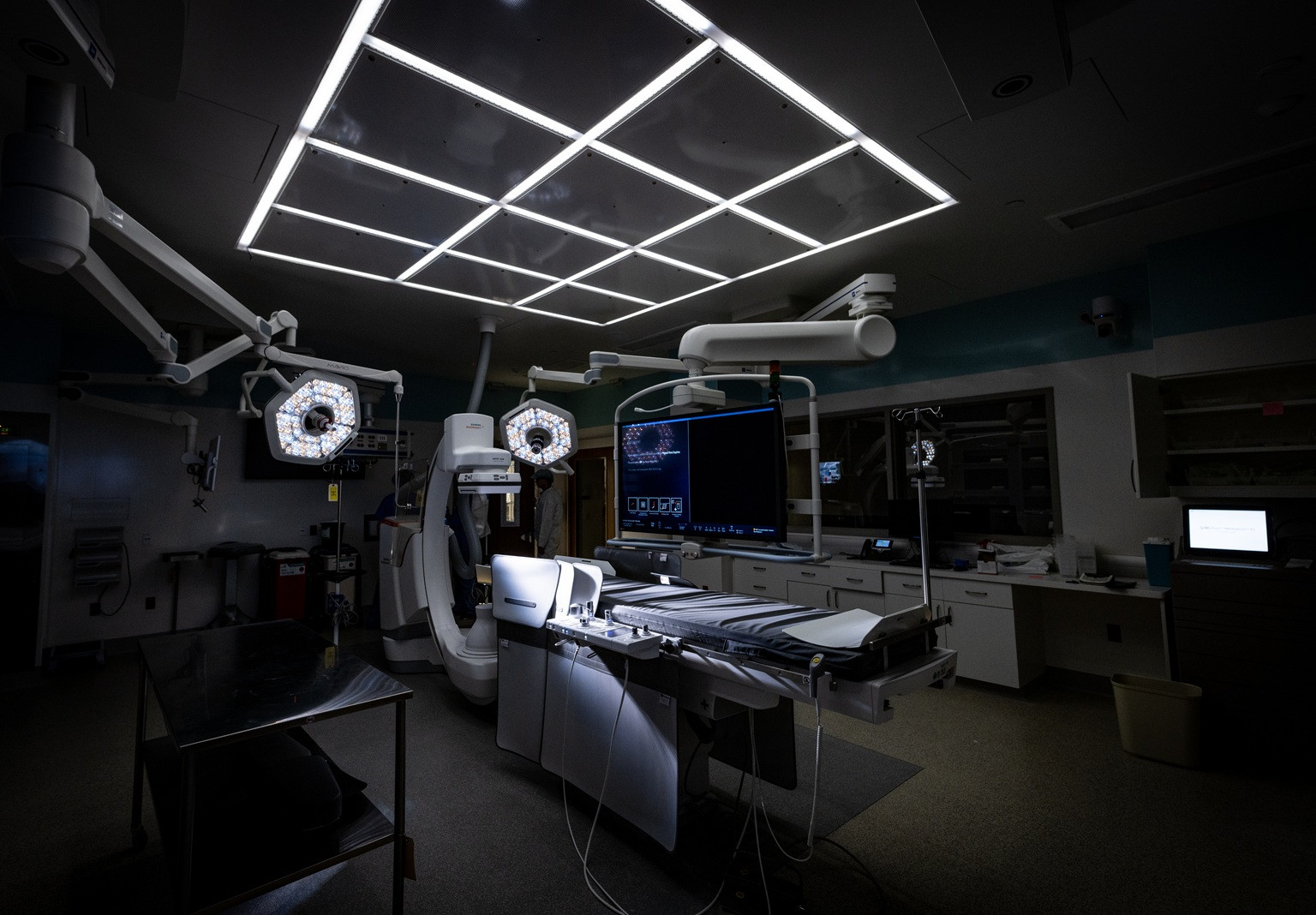
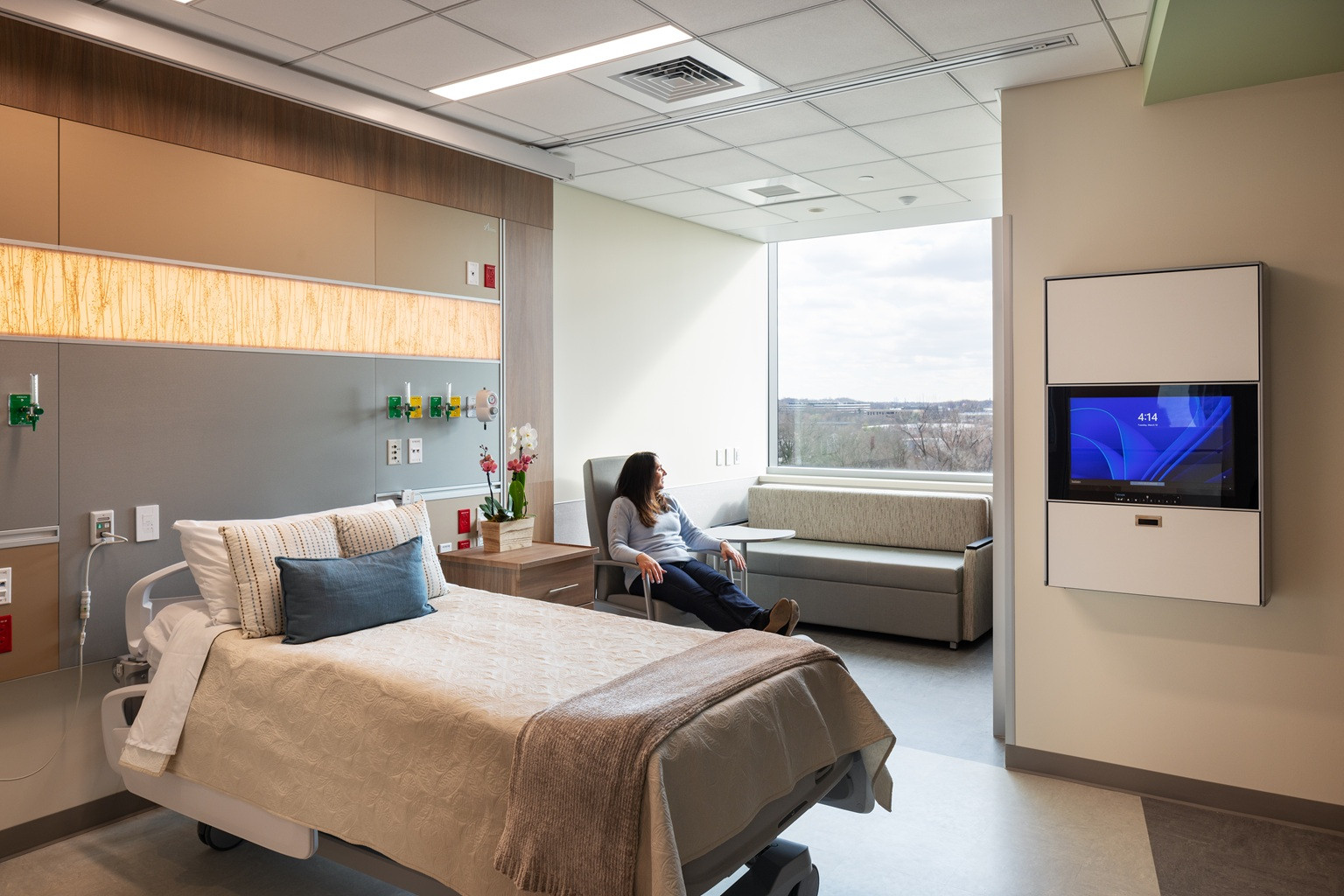
The Valley Hospital in Paramus was deliberately designed around patient experience and flexibility — from single-patient rooms to advanced technology to family-centered care models — and those features are drawing patients beyond Valley’s traditional footprint.
Brenner, in a recent sit down with BINJE, explained why.
“Part of the reason the volume went up is the ‘shiny and new’ aspect,” he said. “We are a beautiful hospital, state-of-the-art, and people are attracted. We have people coming from longer distances and outside our usual zip codes to come to this hospital.
“It is a very welcoming environment, one with great culture. People have found that out.”
The building matters — but it’s not the whole story.
****
Demographics are reshaping demand for care in North Jersey.
It starts with need from an older population.
“Bergen County is aging just like any other area of this country,” Brenner said, noting the number of Medicare patients being added daily around the country has jumped from 10,000 to 11,000.
“That may not sound like a lot, but that compounds over time. And when you’re over 65, the chance of you having chronic illness and other illnesses increases.”
At the same time, Valley is seeing a troubling trend in younger populations.
“There’s another phenomenon that has impacted access and has caused us to be busy,” Brenner said. “Younger people are getting sicker.”
Issues from metabolic disease and, more notably, colon cancer are bringing in more patients in their 20s and 30s — a shift that accelerates demand earlier in life and often leads to longer-term engagement with the health-care system.
And then there’s this: In a nation that has many pockets with lowering birth rates — a data point that has led some hospitals to close their OB services — Valley is seeing a baby boom.
Valley delivered approximately 4,500 babies in 2025 — up nearly 15% and a record high.
“And we’re projected to do more deliveries this year,” Brenner said.
***
There is good news in all of this. Actually, great news.
One of the reasons Valley is seeing such an increase in volume is because medicine itself has advanced so dramatically. Simply put, people are living longer — often with conditions that once would have been fatal or unmanageable.
“We can do so much more for people than ever before,” Brenner said.
One example is transcatheter aortic valve replacement, or TAVR, a minimally invasive alternative to traditional open-heart surgery.
“Twenty years ago, a person would have to go for an open procedure,” he said. “It was weeks in the hospital. Now we can do that and release the patient the next day” — reducing recovery time while increasing the need for ongoing follow-up care.
Valley also has launched a left ventricular assist device, or LVAD, program — a major step for a non-transplant hospital.
“Short of doing a heart transplant, you put into the left ventricle a device that pumps the heart,” Brenner said. “It’s really incredible.
“It gives people with end-stage congestive heart failure, who ordinarily would have a six-month survival time, an ability to live an extra 10 years or more” — transforming what had been end-of-life care into long-term management.
Brenner said Valley is delivering increasingly advanced care in all service lines. It’s one of the reasons the hospital is annually ranked by U.S. News as one of the top hospitals in New Jersey and the New York City metropolitan area.
“We are doing procedures here that are maybe being done at academic medical centers,” he said. “We are doing something called pulsed ablation for Afib. A lot of other health systems are doing it, but we were the third in the country to do that, the first in the state to do that.”
***
Brenner said the next goal for Valley Health System is simple: To be able to care for even more patients. Increasing access, he said, has become Valley’s top operational priority — and the system’s most significant challenge.
“That is a huge part of what we’re doing now,” he said.
Because it impacts everyone, Brenner said.
“Try to get an appointment anywhere in this country — it’s extremely difficult,” he said. “Everybody complains about it. I believe that’s going to be our winning strategy.”
Here’s how Brenner said Valley will do this.
“We are taking so many steps right now to improve access, whether it’s hiring providers, changing provider templates, increasing hours of operation, restructuring our access and navigation center, or using technology to try to get people in — and in a timely fashion,” he said.
To support access, Valley Health System is expanding aggressively in ambulatory care. Last fall, it opened a 60,000-square-foot location in Montvale, which includes a musculoskeletal center designed to provide seamless care for conditions affecting the bones, joints, muscles, tendons and connective tissues.
Valley also is in the process of transforming its former Ridgewood campus, which still is in daily use.
“When you put all that together, and you have them all proximal to each other, there’s a lot of synergies, and it’s much better for patients,” Brenner said.
***
This month marks the second anniversary of the new hospital. Brenner already is thinking about the next two years — and the pressures likely to come with them.
It’s all but certain that volume will continue to increase. The Big Beautiful Bill, which will take so many off Medicaid, will almost certainly result in increased volumes in emergency rooms everywhere — as patients who lose coverage delay care and ultimately seek treatment in emergency settings rather than outpatient offices.
“We will see a higher number of patients that are either not insured or underinsured,” Brenner said. “And we will see them in the emergency room, not in the outpatient setting, which would be unfortunate.”
Given the scale of growth, the obvious question is whether Valley will need to expand again.
“Those are things we’re evaluating right now,” Brenner said. “And we’re, you know, considering whether we have to expand or not. But it’s under evaluation. No decision has been made.”
For now, Valley Health System’s transformation is already well underway — driven by demand, design, demographic change and a paradox increasingly defining modern health care: the better systems become at keeping people alive, the more pressure they face to keep up.


