


This week, President Trump unveiled new initiatives to improve access to medicines, including a direct-to-consumer prescription website and the first of several expected deals to align U.S. drug prices with global markets.
But just days earlier, the administration announced unprecedented 100% tariffs on prescription drugs — a move that directly threatens devastating consequences for patients, innovation and America’s global biopharmaceutical leadership — with New Jersey at its forefront.
Here are five things you need to know:
1. New Jersey’s vital role in biopharma is at risk
As home to more than 5,600 life sciences organizations, New Jersey is a global biopharma leader. These companies not only deliver treatments for chronic and rare diseases, they also fuel an ecosystem that supports nearly 360,000 New Jersey jobs.
2. Imposing tariffs on essential medicines will:
- Raise manufacturing costs
- Disrupt fragile supply chains
- Delay research and development
- Threaten access to life-saving treatments for Patients in the U.S. and worldwide
For early-stage and emerging companies — many already operating on razor-thin margins — the impact could be existential. These companies lack the capital to rapidly move manufacturing operations. Nearly 90% of U.S. biopharma companies rely on imported supplies for developing FDA-approved treatments. Forcing a supply chain shift could take 12 to 24 months. Patients simply don’t have that time.
3. There will be a cost to patients
These tariffs won’t just impact companies. Patients will pay the price — literally.
Estimates from the Yale Budget Lab in early 2025 demonstrated how even a 25% ad valorem tariff would drive up yearly household medication costs by $600. At a 100% tariff rate, those costs could double or worse — especially for seniors on fixed incomes, families managing chronic conditions, and those navigating rare disease diagnoses. At a time when affordability is already a top concern in American healthcare, this policy adds yet another burden on the very people who can least afford it.
4. Tariffs could deepen the drug shortage crisis
The U.S. is already grappling with record drug shortages, with more than 250 medications on the American Society of Health-System Pharmacists’ shortage list as of June 2025. Tariffs will only worsen the crisis, delaying or blocking access to critical therapies — a potentially life-threatening outcome for countless patients.
The administration’s efforts to lower costs and improve access are laudable. But 100% tariffs on prescription medicines will not achieve that goal.
5. A call to action
As the voice of the life sciences industry in New Jersey, having supported the growth of the ecosystem for more than 30 years, BioNJ stands with our 400 members – and with patients – in urging the Trump Administration to reconsider the implementation of these damaging tariffs.
We call on policymakers – and all stakeholders – to come together to prevent these unintended consequences and find solutions that protect both American innovation and patient access.
Because patients can’t wait.
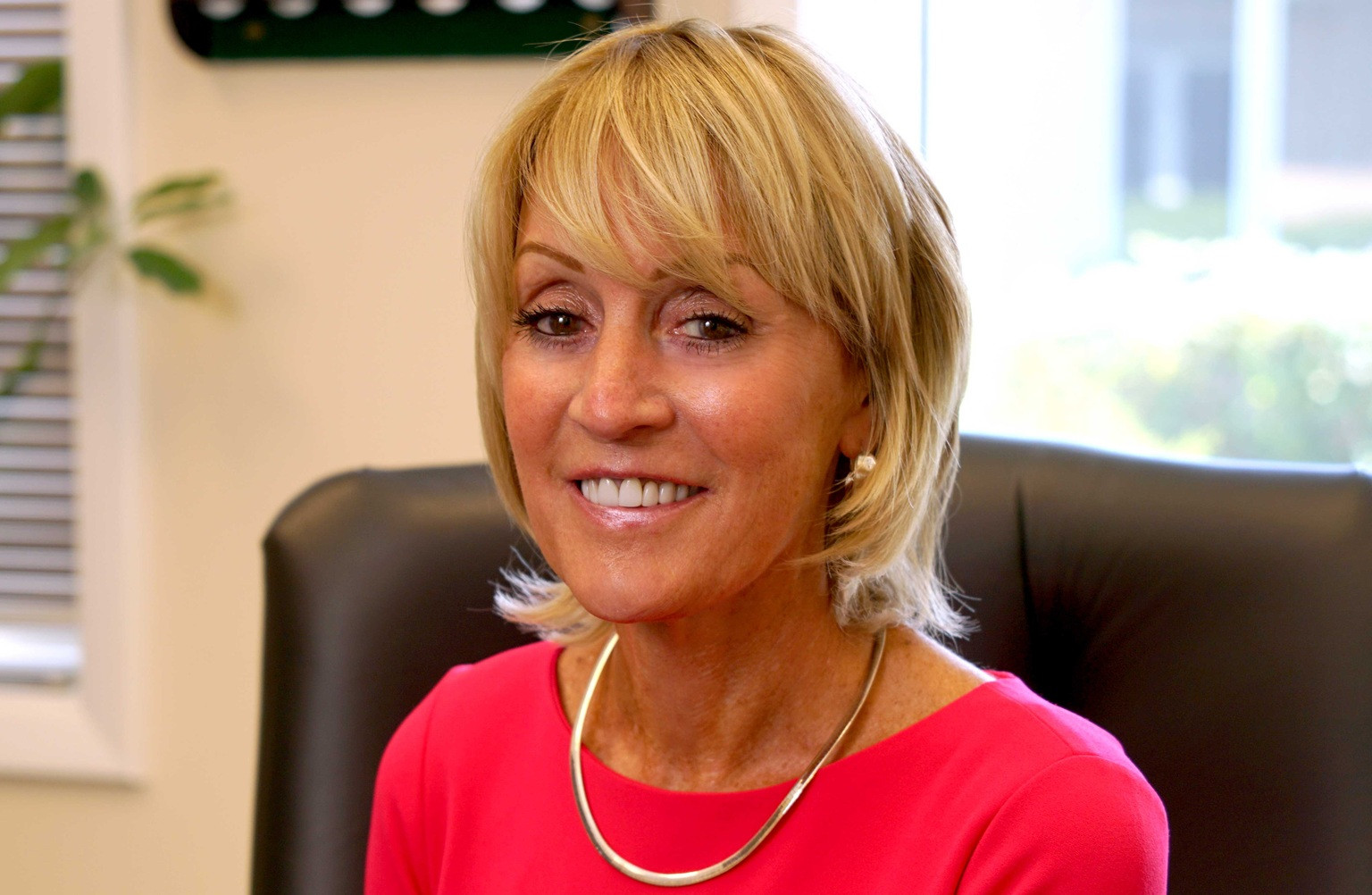
Debbie Hart is the CEO of BioNJ, the life sciences trade association for New Jersey representing the full continuum of the industry.
Read more from BINJE:


