


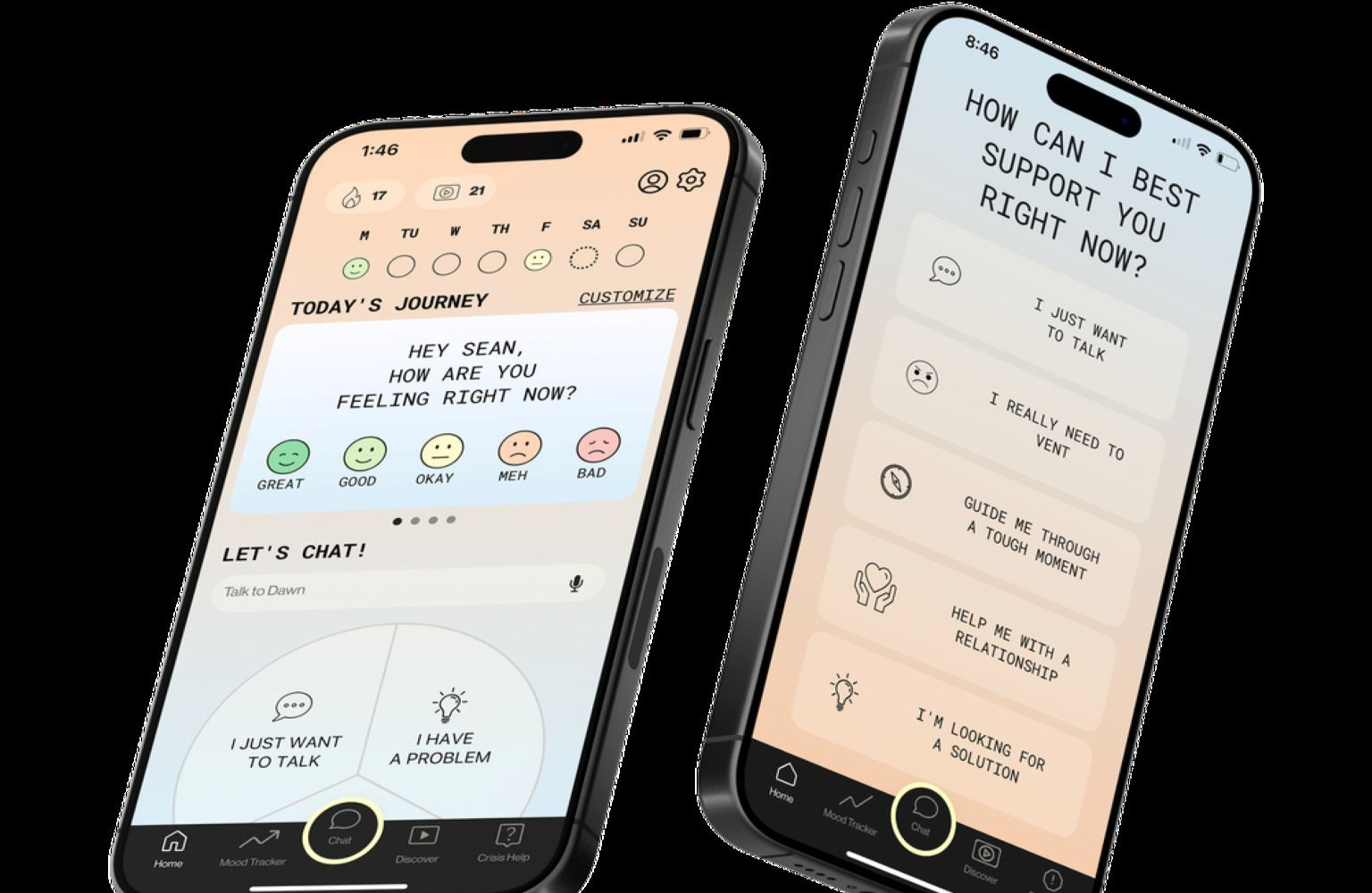
For about 350 high schoolers in Jersey City, summer break comes with something new this year: a mental health app in their backpack — one that is available around the clock.
Simply put, it ensures access to a key need doesn’t stop just because school is out of session.
The app, called Inner Peak, is the latest pilot from SciTech Scity’s Healthcare Innovation Engine, a Jersey City-based initiative aimed at getting promising health technology out of the pitch deck and into people’s hands. Students ages 14-18 across the district now have free access to the platform, built with licensed therapists, through the end of the program.
The need is real, and the numbers back it up. One in five high school students nationally has a mental or behavioral health condition, and four in 10 report feelings of sadness or hopelessness, according to a 2024 report from Mental Health America. Ten percent of teens surveyed reported serious thoughts of suicide.
Closer to home, New Jersey’s own 2023 Student Health Survey found one in three students statewide reporting significant mental health struggles — anxiety, mood disorders, behavioral issues — with the numbers climbing since the pandemic.
Inner Peak’s pitch is that support shouldn’t wait for a crisis. Students use interactive journals to work through what they’re dealing with, get personalized reflection prompts, and work through video content built by real therapists, covering everything from the neuroscience of stress to reducing the risk of substance misuse down the road.
Sean Wheelock, Inner Peak’s co-founder and CEO, started the company after his own struggles with mental health. He gets it.
“Mental health support should be proactive, accessible, and integrated into everyday life — not something students only encounter during moments of crisis,” he said. “We’re helping young people build practical skills for managing stress, navigating challenges and developing resilience in ways that meet them where they are.”
The app isn’t just for students. School-based mental health staff get a dashboard that flags early warning signs and student concerns and can connect a student in crisis to help — and to staff and emergency contacts — in real time.
Liberty Science Center CEO Paul Hoffman is leading the effort across the broader SciTech Scity campus.
“The Healthcare Innovation Engine was built to close the gap between promising technology and real-world impact,” he said. “Structured pilots such as this will show how emerging technologies can meaningfully improve outcomes within the complexity of actual healthcare and social systems.”
The pilot is fully subsidized and delivered virtually, funded through Jersey City’s Department of Health & Human Services and a 2026 New Jersey Opioid Settlement Grant.
It’s the newest project from the Healthcare Innovation Engine, which launched in February 2024 as the first statewide platform in the country built specifically to speed up adoption of digital health tools.
Earlier pilots focused on getting uninsured patients access to cardiovascular, cancer, post-ER and maternal health care. The initiative picked up the World Economic Forum’s 2025 Public-Private Collaboration Award along the way, and counts EY, Bristol Myers Squibb, JPMorgan and RWJBarnabas Health among its backers.
For Jersey City’s teenagers, though, the pitch is simpler: help that doesn’t disappear when the school year does.


