


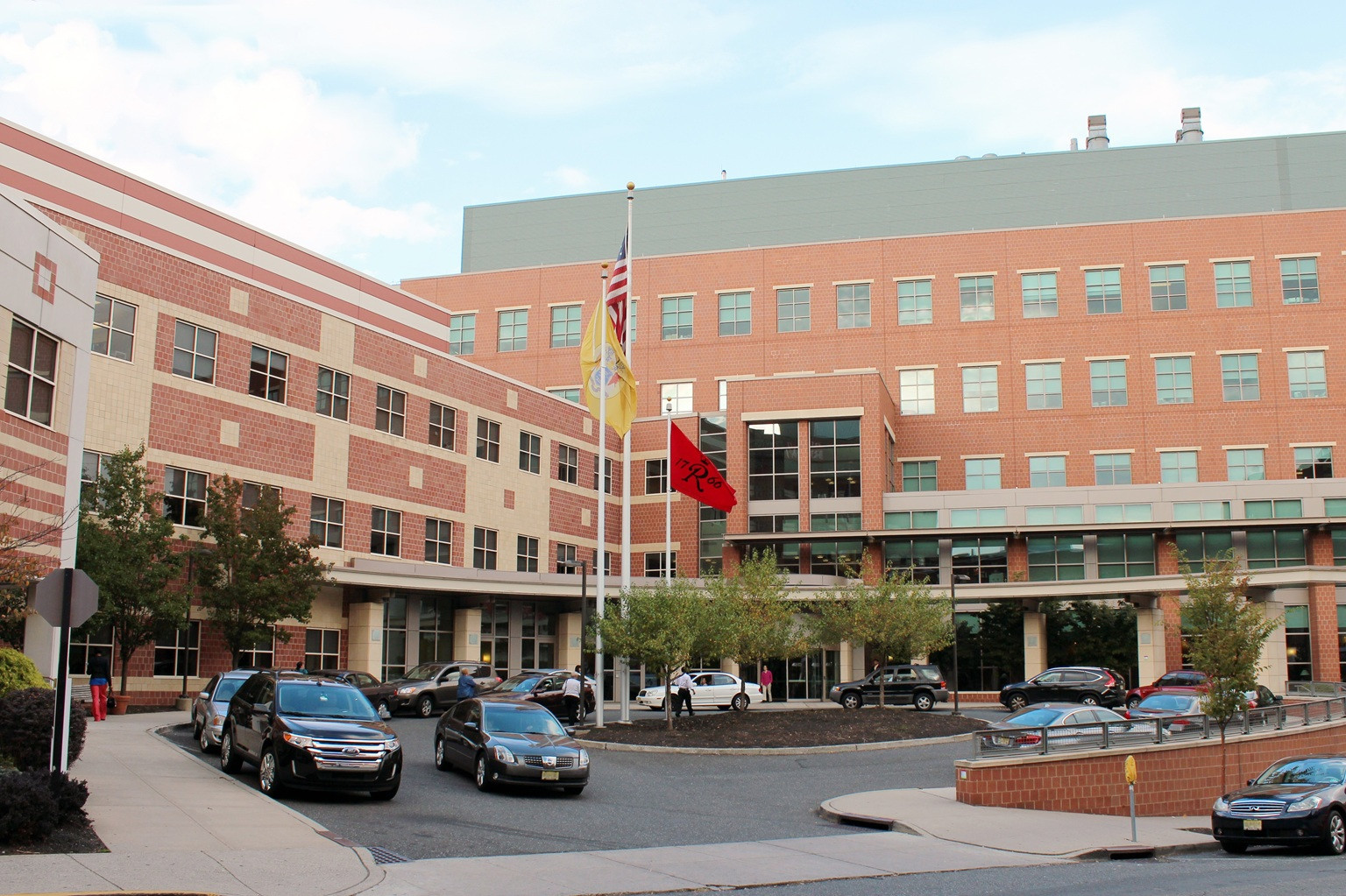
Landmark data presented by researchers from Rutgers Cancer Institute and RWJBarnabas Health, in collaboration with the National Cancer Institute (NCI), highlight the potential of novel T cell therapies to deliver long-lasting and complete tumor regression for patients with advanced, human papillomavirus (HPV)-related cancers.
The promising clinical trial results were announced at the Society for Immunotherapy of Cancer (SITC) Annual Meeting.
The most extraordinary finding comes from a long-term follow-up study of Tumor-Infiltrating Lymphocyte (TIL) therapy. Investigators reported that two patients with metastatic cervical cancer remain in complete remission a full 10 years after receiving a single infusion of the therapy.
This decade-long, disease-free status, confirmed by imaging and circulating tumor DNA analysis, represents the strongest evidence to date that cellular therapy can produce potentially curative, long-term responses in epithelial cancers, the most common type of malignancy.
In a separate study led by Dr. Christian Hinrichs, co-director of the Duncan and Nancy MacMillan Cancer Immunology and Metabolism Center of Excellence at Rutgers Cancer Institute, researchers presented encouraging interim results from a Phase II clinical trial.
The study utilized genetically engineered T cell receptor (TCR)-T cells, designed to target the HPV16 E7 oncoprotein (E7 T cells), in patients with metastatic HPV-associated cancers. These advanced cancers—including head and neck, cervical, anal, and esophageal—are often considered incurable with limited standard options.
- Out of 10 patients treated, six achieved substantial tumor shrinkage.
- Two patients experienced complete tumor regression, which remains ongoing at 11 and 12 months, respectively.
Hinrichs called the results an “encouraging step toward effective engineered T cell therapies for these and other epithelial cancers.”
Development of the E7 T cell treatment is a collaboration between the NCI and Rutgers Cancer Institute, with the Phase II study conducted at New Jersey’s only NCI-designated Comprehensive Cancer Center. The specialized cell products were manufactured on-site at the institute’s Good Manufacturing Practices (GMP) facility, showcasing a unique capability to quickly translate laboratory discoveries into patient care.
“Findings like these highlight the importance of conducting research at an NCI-designated Comprehensive Cancer Center such as Rutgers Cancer Institute,” Dr. Steven Libutti, director of Rutgers Cancer Institute and senior vice president of Oncology Services at RWJBarnabas Health said. “Centers like ours… bring together the scientific expertise, clinical resources and collaborative environment [to advance care].”


