


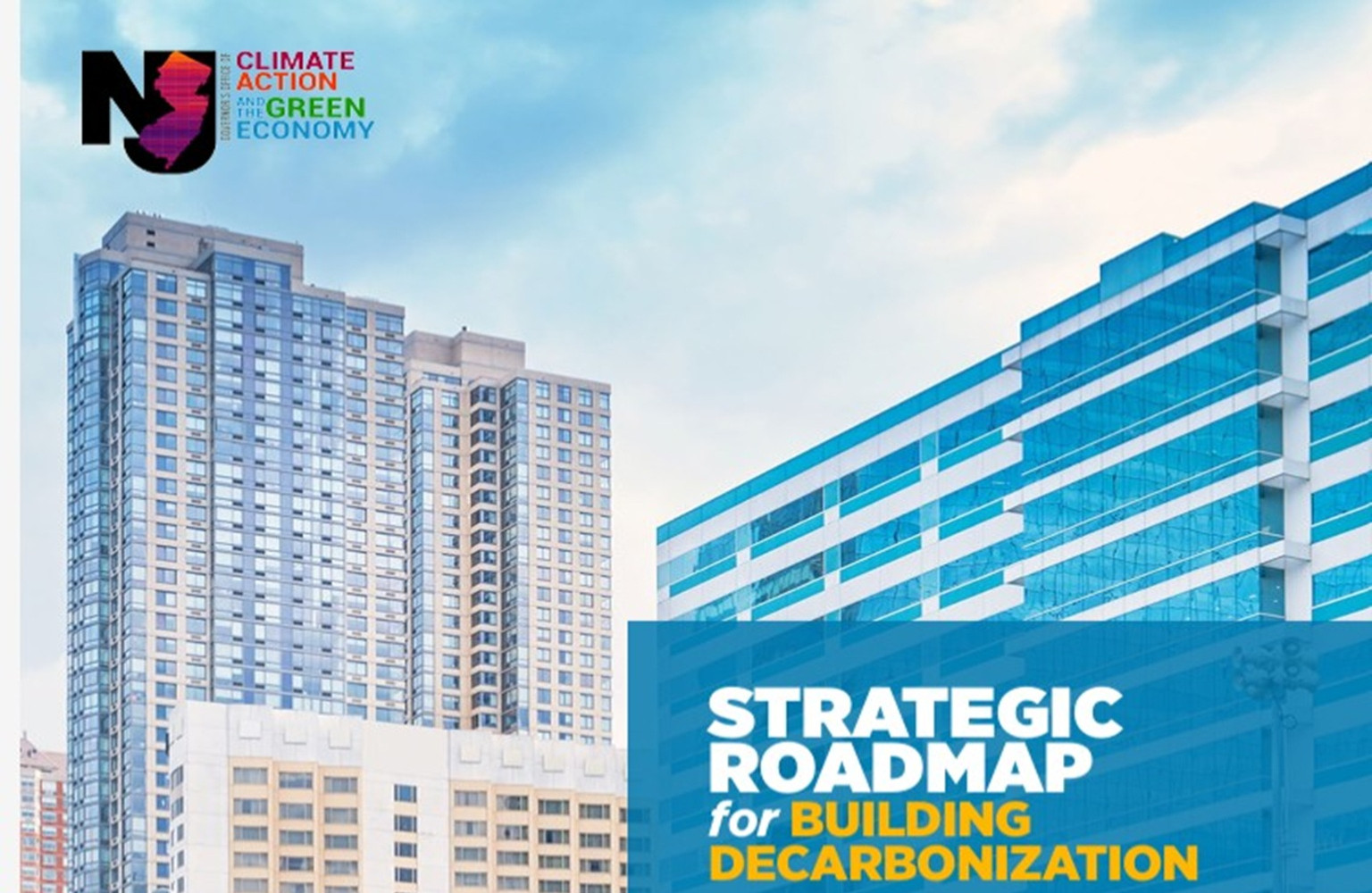
Gov. Phil Murphy on Thursday announced the release of a comprehensive strategic roadmap outlining the policy, legislative, and funding strategies necessary to achieve building decarbonization in New Jersey. The plan aims to create cleaner, greener buildings while benefiting New Jersey families and workers.
The set of recommendations is the result of a multi-year, multi-agency collaboration, which incorporated proposals from the Clean Buildings Working Group. The initiative is designed to tackle the state’s second-largest source of pollution, with the burning of fossil fuels in buildings accounting for approximately 25% of the State’s emissions.
The roadmap fulfills the mandate of Executive Order 316, signed by Murphy in 2023, which directed the Governor’s Office of Climate Action and the Green Economy (OCAGE) to develop a pathway toward electrifying 400,000 residential and 20,000 commercial units by 2030.
“This report is the culmination of partnerships across labor, industry, and communities throughout the State—each bringing unique insight and experience to drive the adoption of energy efficiency improvements and emissions reduction upgrades,” Murphy said. “Together, they have put forth a comprehensive strategy for lowering emissions as part of our all-of-the-above approach to climate action.”
Eric Miller, executive director of OCAGE, stated that the roadmap represents a “whole-of-government approach to equitably addressing greenhouse gas emissions and air pollution.”
The roadmap provides a comprehensive set of recommendations organized across five key themes, prioritizing customer adoption, workforce readiness, health benefits and equity:
- Decarbonization Policies: Focuses on accelerating electrification through enhanced financial incentives, consumer education, and innovative regulatory measures.
- Utility Regulatory Evolution: Calls for reforms in gas and electric utility regulations to align investments with climate goals while ensuring system affordability and reliability.
- Equity and Environmental Justice: Mandates that policies and funding initiatives prioritize underserved communities to ensure equitable access to clean energy benefits and protections.
- Workforce Development: Highlights the necessity of expanding technical training, certification programs, and job pathways to prepare a diverse workforce for growing clean energy job demand.
- Data Collection and Performance Tracking: Emphasizes the crucial need for robust data mechanisms to ensure informed decision-making and sustained progress toward climate goals.
New Jersey’s multi-pronged approach includes installing zero-carbon end-use equipment, leveraging energy efficiency programs, continuing to deploy clean energy resources to power the grid, and advancing program design to ensure low-income and overburdened communities benefit from decarbonization efforts.


