


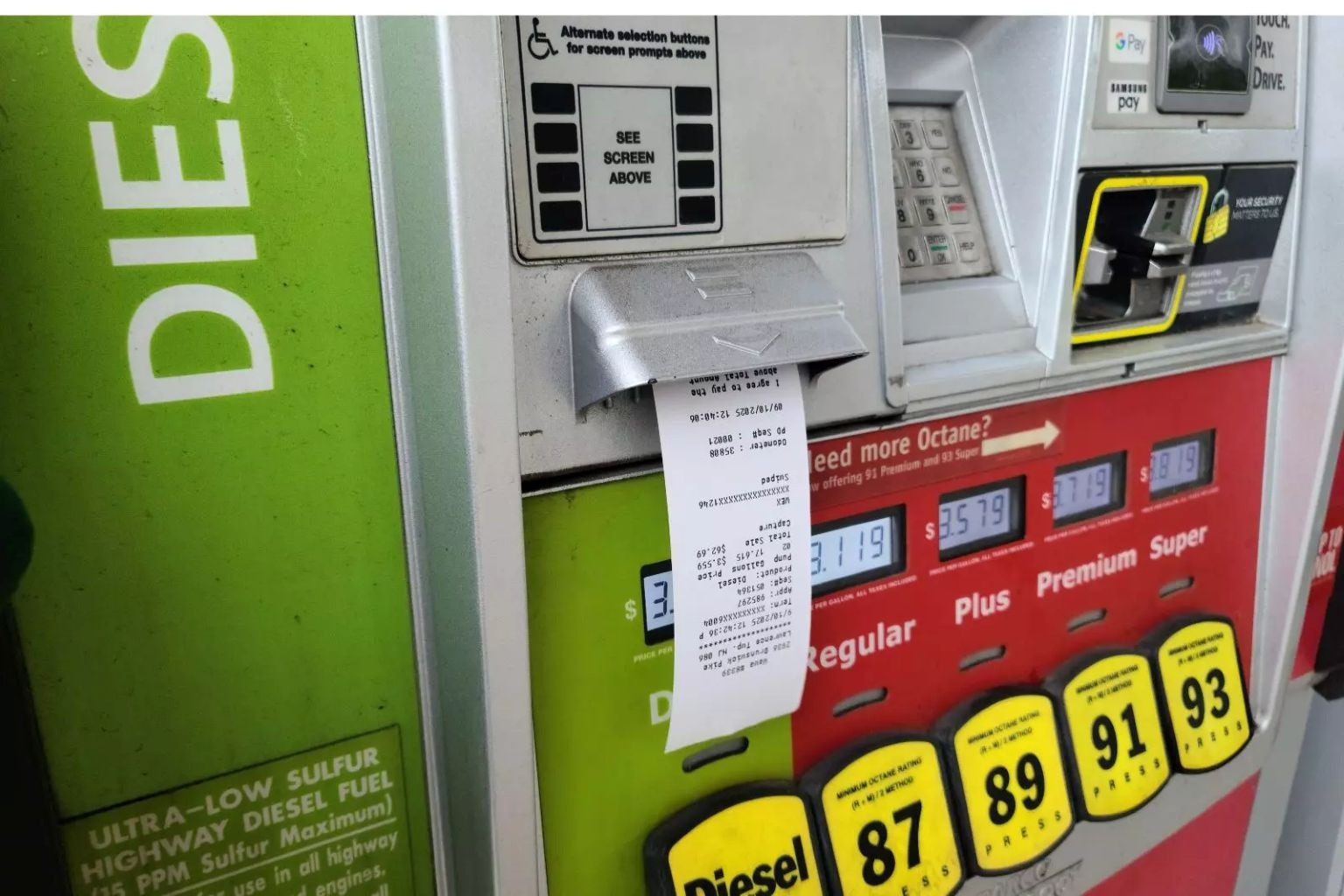
Motorists in New Jersey will see an increase at the pump starting in the new year. The Department of the Treasury announced that the state’s gas tax rate will increase by 4.2 cents per gallon, effective Jan. 1, 2026.
This adjustment is designed to support the State’s Transportation Trust Fund (TTF) program, which finances critical improvements to roadways and bridges across the Garden State.
Driven by formula and consumption
The rate hike is mandated by a 2024 law (Chapter 7) that renewed the TTF. This statute gradually raises the State’s Highway Fuel Cap—the targeted revenue goal from fuel taxes—from Fiscal Year 2025 through Fiscal Year 2029.
For Fiscal Year 2026, the Highway Fuel Cap is set statutory at $2.115 billion. However, the total revenue target for the year is actually $2.139 billion. This figure includes the statutory cap plus a $23.8 million shortfall from Fiscal Year 2025 collections.
“Due to the new statutory target, and because actual consumption has trended below last fiscal year’s levels, our analysis of the new formula dictates a 4.2 cent increase this coming January,” State Treasurer Elizabeth Maher Muoio said.
Understanding the components
While commonly referred to as a single “gas tax,” New Jersey’s levy on motor fuels actually consists of two distinct components:
-
Motor Fuels Tax: A fixed rate.
-
Petroleum Products Gross Receipts Tax (PPGRT): A variable rate adjusted annually to meet the revenue target.
The 4.2 cent increase applies to the PPGRT component. Combined with the fixed Motor Fuels Tax, the total tax rates motorists will pay beginning January 1 are:
| Fuel Type | Current Combined Rate | New Combined Rate | Net Change |
| Gasoline | 44.9 cents | 49.1 cents | +4.2 cents |
| Diesel | 51.9 cents | 56.1 cents | +4.2 cents |
Consumption of gasoline and diesel fuel in Fiscal Year 2026 is projected to be 1.0 percent below Fiscal Year 2025 levels. This declining consumption necessitates a higher per-gallon rate to meet the rising statutory revenue targets.


