


Not long ago, I diagnosed colorectal cancer in a patient in their 30s. A decade ago, that diagnosis would have been unusual. Today, it is not.
As Chief of Gastroenterology at Bergen New Bridge Medical Center, I now have difficult conversations with patients in their 30s and 40s, young parents and professionals in the prime of their lives, who never imagined they were at risk.
For generations, colon cancer was considered a disease of older adults but that is no longer the case.
Across the country, colorectal cancer is steadily rising among younger adults. It is now one of the leading causes of cancer-related death in people under 50. Even more concerning, younger patients are often diagnosed at later stages, when treatment becomes more complex and outcomes are less favorable.
Why is this happening? We do not have a clear answer yet. Research suggests a combination of factors including diet, sedentary lifestyles, obesity, environmental exposures, and changes in the gut microbiome. But while the causes are still being studied, the need for action is clear.
Too often, symptoms such as rectal bleeding, persistent abdominal pain, changes in bowel habits, or unexplained weight loss are dismissed by patients and sometimes even by healthcare providers as hemorrhoids, stress, or minor digestive issues. When evaluation is delayed, a highly treatable condition can become far more serious.
Screening Is Prevention
Colorectal cancer is one of the most preventable cancers.
Most colon cancers begin as small growths called polyps. During a colonoscopy, we can detect and remove these polyps before they become cancerous. In other words, a colonoscopy does not just detect cancer early. It can stop cancer before it starts.
Because of rising rates among younger adults, national guidelines now recommend patients at an average risk of colorectal cancer should begin screening at age 45. Those with a family history of colon cancer, inflammatory bowel disease, or certain genetic conditions may need to start even earlier.
Screening is not something you wait to do once symptoms appear. It is meant to protect you while you still feel well.
The Power of Early Detection
When colorectal cancer is caught early and confined to the colon, the five-year survival rate is approximately 90 percent. Once it spreads, that number drops significantly.
These statistics are not abstract to me. They represent real people and families in our community. I have seen firsthand the difference early detection makes and the heartbreak when diagnosis comes too late.
Many people understandably feel anxious about a colonoscopy. The preparation may be inconvenient, and the idea can feel uncomfortable. But the procedure itself is quick, safe, and far less daunting than most imagine. There are also alternative screening options available for certain individuals. The most important step is simply starting the conversation with your physician.
Breaking the Stigma
We also need to change how we talk about digestive health. Colon health should not be taboo. It should be discussed as openly as blood pressure or cholesterol.
Parents should share family history with their children. Young adults should not ignore persistent symptoms. Healthcare providers should take gastrointestinal concerns in younger patients seriously.
Colorectal cancer does not always announce itself loudly. Sometimes it whispers.
It may begin with subtle changes, a little blood, new fatigue, a shift in bowel habits, or with no warning signs at all. That is why awareness alone is not enough. Prevention requires action.
Listen to your body. Know your family history. And even if you feel completely healthy, talk to your physician about screening.
We have tools to prevent this disease. We have the knowledge to detect it early. What we cannot afford to do is wait.
Get screened. Protect your health. Protect your future.
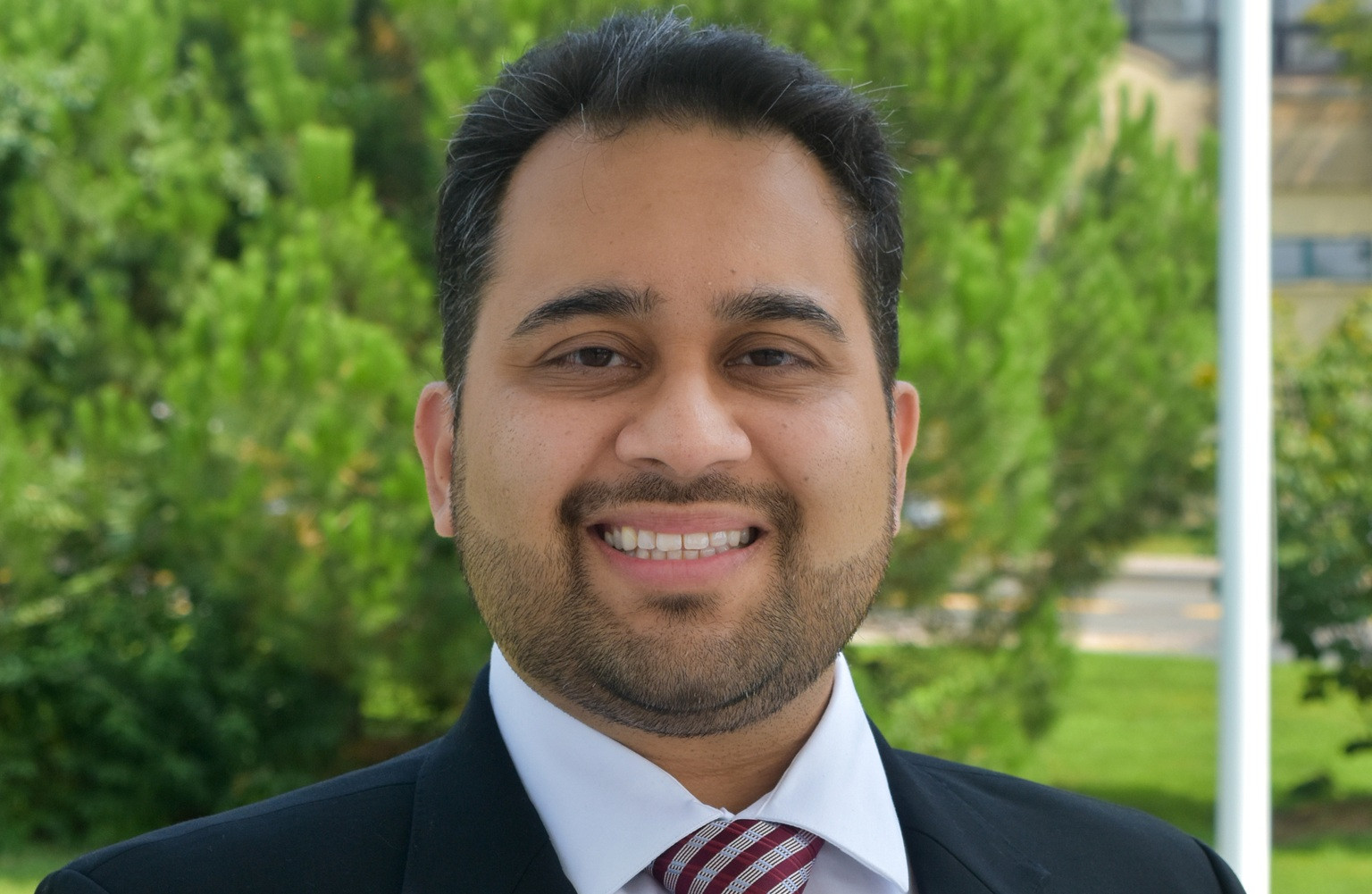
Dr. Sufian Sorathia is the Chief of Gastroenterology at Bergen New Bridge Medical Center


