


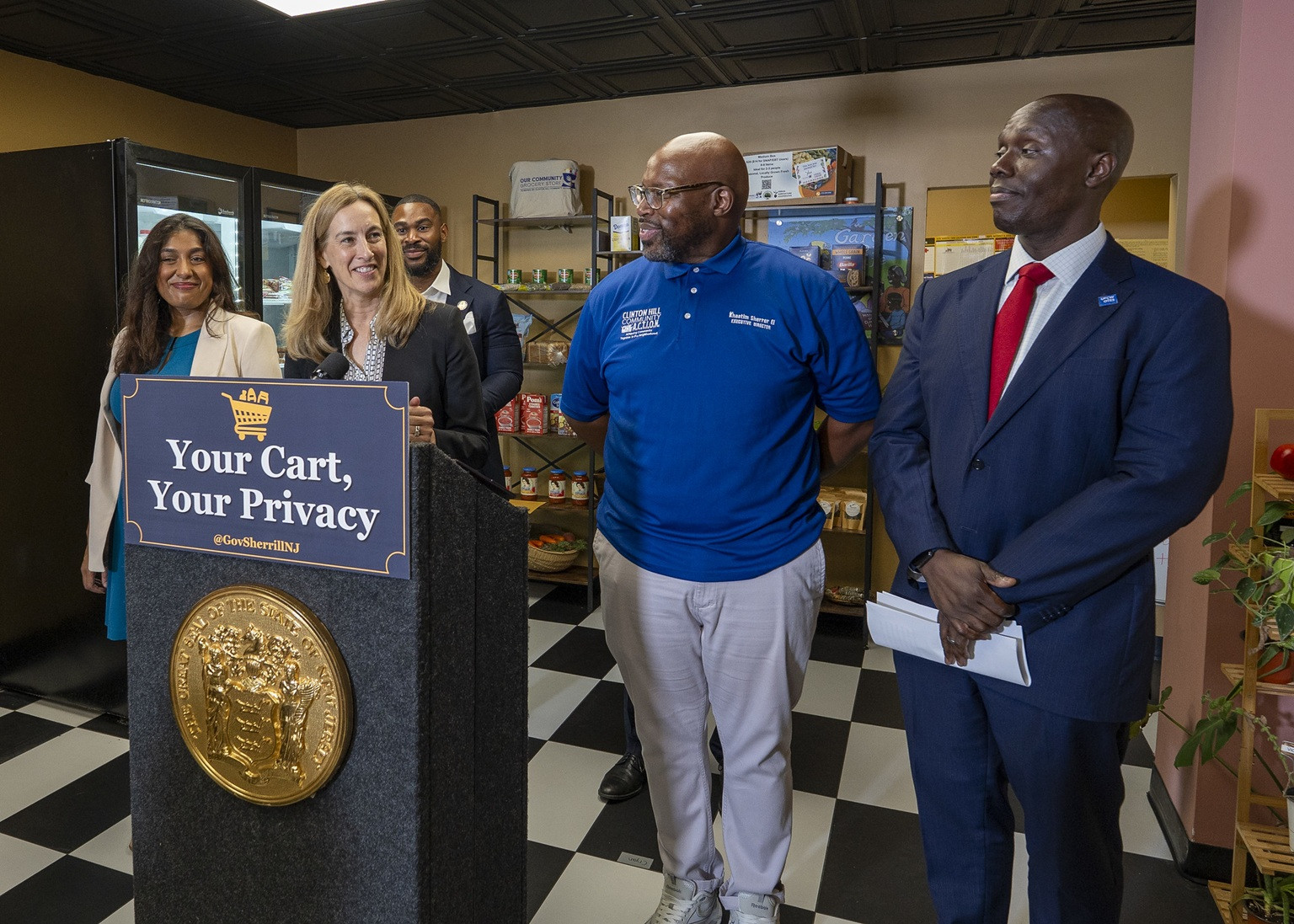
In a move aimed at protecting household budgets, New Jersey Gov. Mikie Sherrill signed the Fair Price Protection Act into law Thursday, officially shielding grocery shoppers in the state from algorithmic and discriminatory “surveillance pricing”.
The landmark legislation prohibits retailers and third-party delivery platforms from leveraging personal data—such as browsing history, real-time location, purchasing habits or predictive artificial intelligence—to charge different consumers varying prices for identical food products and household essentials.
As families navigate ongoing economic pressures, lawmakers and consumer advocates championed the bill to stop retailers from exploiting private consumer metrics.
“New Jersey families are already feeling the pressure of higher costs. The last thing they need is companies secretly using their personal data to charge them more than someone else for the exact same product,” Sherrill said during the signing. “If businesses want to compete, they should do so by offering better prices, not by finding new ways to squeeze shoppers.”
Attorney General Jennifer Davenport emphasized that enforcement agencies will rigorously oversee the transition. “The price New Jersey families pay at the grocery store should be based on the cost of a product, not on what invasive data collection suggests they may be willing to pay,” Davenport said.
While the new law explicitly bans individualized, data-driven pricing, it maintains clear protections for traditional consumer savings structures, preserving legitimate loyalty programs, military discounts and senior promotions.
In addition to banning personal data monetization at checkout, the Fair Price Protection Act places a one-year moratorium on the new deployment of electronic shelf labels (ESLs) across retail environments.
During this pause, the New Jersey Innovation Authority will evaluate the economic impact of digital, centrally managed price tags on shoppers and market transparency. Existing electronic shelf labels currently utilized by stores are permitted to remain in operation, and stores retain the right to repair or replace current infrastructure.
The legislation has drawn widespread backing from labor organizations, advocacy groups, and lawmakers across the aisle who view the measure as an essential guardrail against predatory corporate practices.
“At a time when many New Jerseyans are struggling to make ends meet, surveillance pricing has the potential to exacerbate economic strain—especially for low-income and communities of color,” Damon King, senior counsel in the Economic Justice Program at the New Jersey Institute for Social Justice said.
By clamping down on hidden digital tracking and automated price-gouging tools, the Fair Price Protection Act establishes New Jersey as a national leader in consumer privacy and marketplace fairness.


