


Valley Health System has recently published a study from its pediatric and research groups promoting the benefits of family nurture intervention for preterm infants.
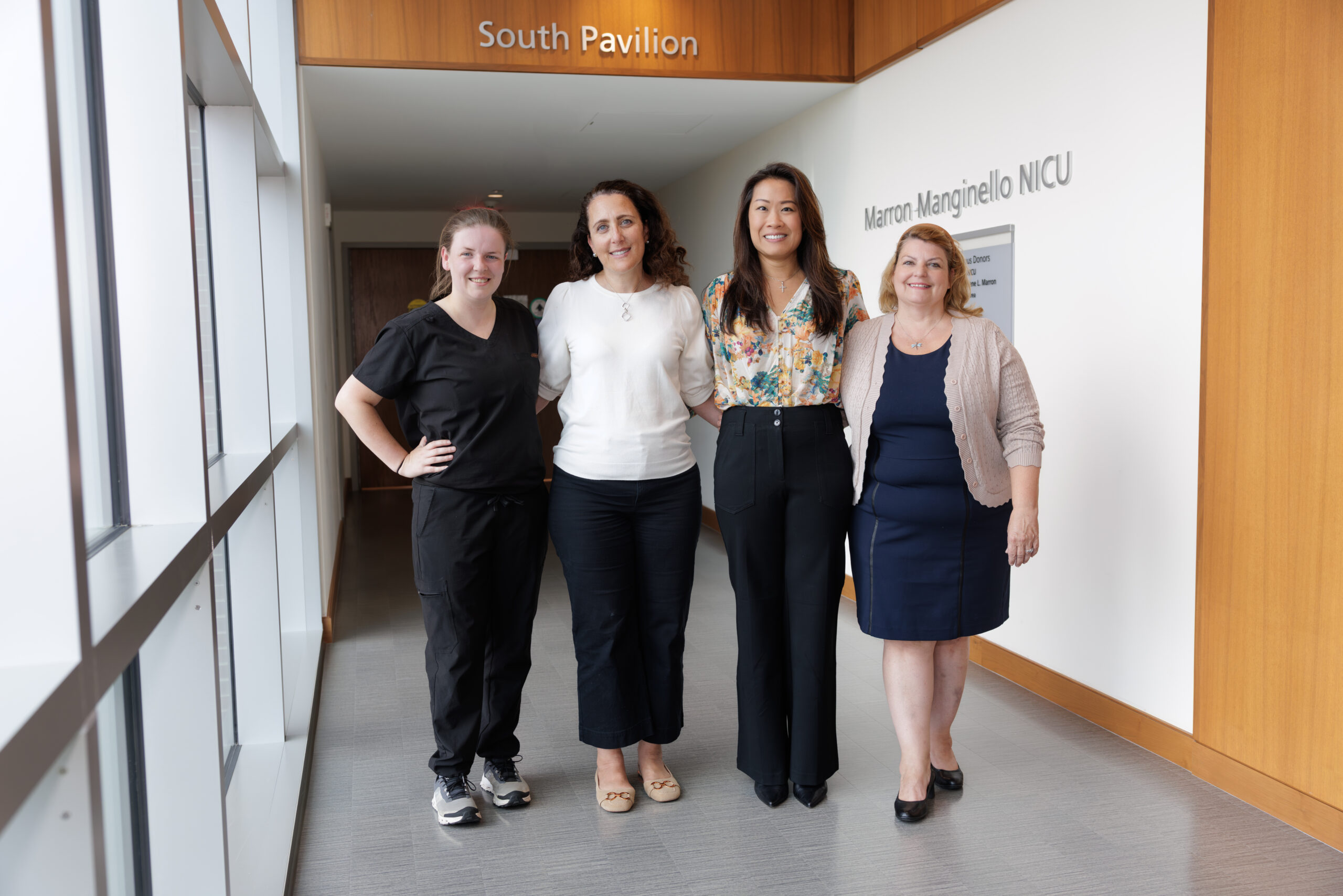
The study, titled “Effectiveness Trial of Family Nurture Intervention as a Standard of Care in the NICU: Enhanced Brain Activity in Preterm Infants,” was conducted by Christiana Farkouh-Karoleski, department director of pediatrics for The Valley Hospital; Erica Lui, a nurture specialist for The Valley Hospital; Clare Finnegan, a research study coordinator for The Valley Hospital; and Suzanne Bryjak, a neonatal intensive care unit (NICU) nurse.
FNI, short for family nurture intervention, is a science-based intervention, originated by co-author Martha Welch of Columbia University Irving Medical Center, designed to foster emotional connection between mothers and preterm infants.
These include calming sessions facilitated by specially trained nurture specialists or nurses where mothers engage in skin-to-skin contact, soothing vocalizations, and sustained eye contact with their babies. FNC is integrated into routine care from admission.
Led by Farkouh-Karoleski, the study found that implementing family nurture intervention as a standard of care in the NICU significantly enhances early brain activity in preterm infants. The effectiveness trial, conducted at The Valley Hospital’s NICU, found that infants receiving family nurture care, – a unit-wide application of FNI – exhibited significantly greater electroencephalographic power in the left frontal polar region of the brain at around 35 weeks postmenstrual age.
Notably, EEG differences favoring FNC infants emerged earlier than in previous trials, suggesting earlier exposure to emotional connection may accelerate brain development.
Although effects diminished by term age, researchers believe this could be due to widespread improvements in developmental care practices benefiting all NICU infants.
Farkouh-Karoleski explained the process and where they hope it continues to progress in the future.
“This study is an important next step in translating the robust effects of FNI seen in controlled trials into real-world NICU settings,” she said. “We’re showing that you can successfully implement this relational intervention across an entire unit and still achieve measurable neurodevelopmental benefits.”


