


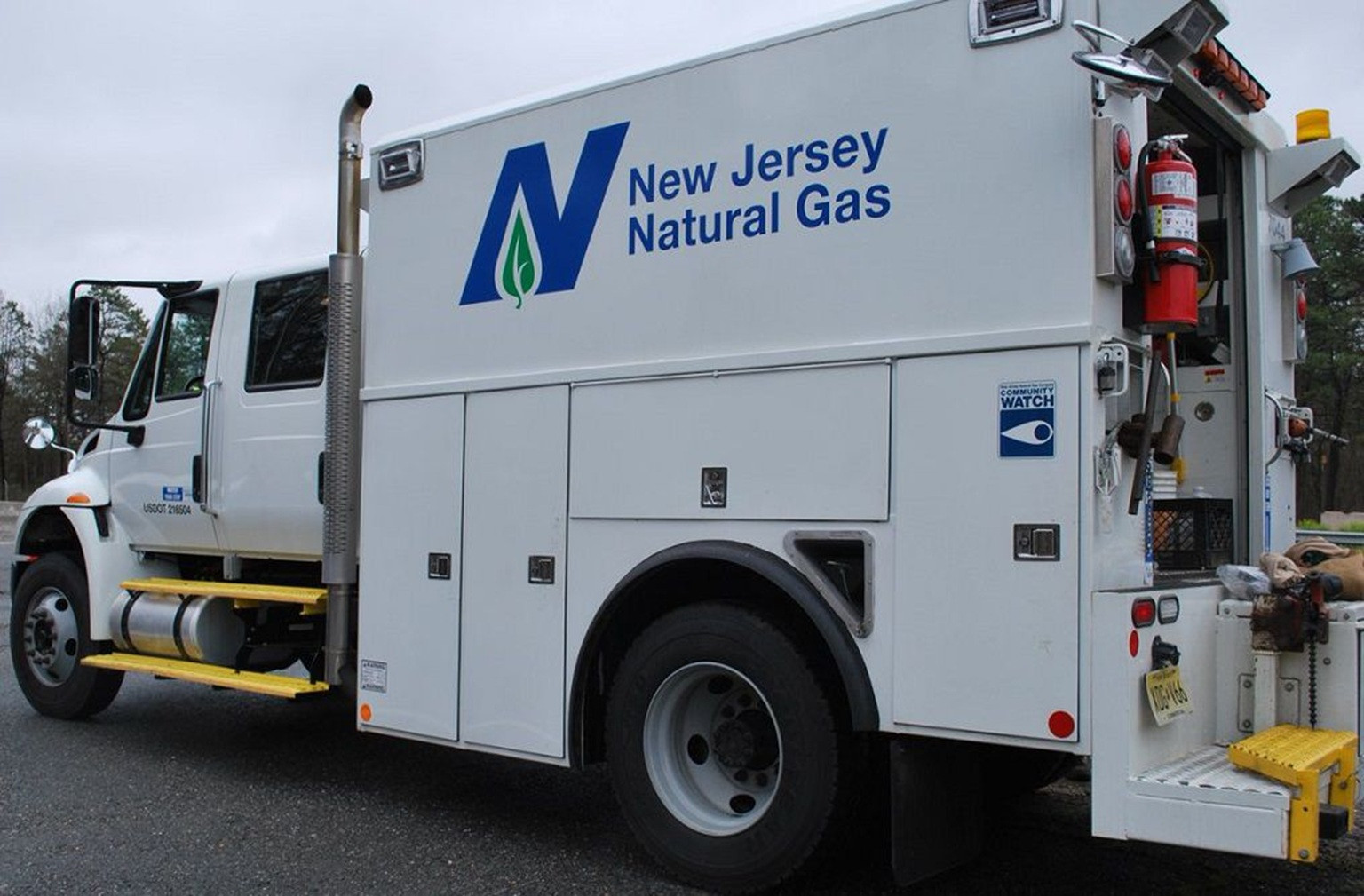
In a move that is aimed at helping New Jersey Natural Gas recover costs from investments critical to reliability — but do so in a way that does not raise the rates of its customers — the company announced late Monday that it has submitted two filings to the N.J. Board of Public Utilities.
In a nod toward affordability, the filings initially will provide customers with an 8.9% reduction in customer bills beginning Oct. 1, or in advance of the 2026-2027 winter season, a $158 annual savings for the average residential customer.
At the same time, the base rate case for recovery of investments is being intentionally timed for implementation near the end of the 2026-2027 winter period, when customer usage for home heating needs typically begins to drop.
Once all filings are implemented, NJNG anticipates that the overall net result will leave NJNG customer rates nearly flat compared to today’s rates.
CEO Steve Westhoven explained the effort.
“By strategically managing our gas supplies, NJNG is able to bring our customers meaningful bill savings for this upcoming winter heating season,” he said. “The investments in system resiliency allow us to deliver heat to homes and businesses without disruption, especially during extreme weather, as we successfully did during this very challenging, abnormally cold, past winter.”
The submissions include: NJNG’s annual Basic Gas Supply Service and Conservation Incentive Program filing, its Energy Efficiency filing, and a request to adjust base rates to reflect approximately $950 million in system investments that benefit customers but are not reflected in current rates.
The approximately $950 million of investments for which NJNG is seeking recovery include reliability and safety upgrades to the extensive 7,500-mile pipeline network operated and maintained by the company to serve approximately 600,000 homes, businesses, and critical services.
It also reflects costs of workforce wages, safety and environmental compliance enhancements, and the necessary replacement of a decades-old, customer-facing technology system that is being retired by the provider.
These investments in NJNG’s infrastructure and operations benefit customers, but they are not reflected in current rates.
“The majority of NJNG’s capital investments are to maintain the high-quality, safe and extraordinarily reliable service we provide to our customers,” Westhoven said.
NJNG’s system enhancement, renewal and reinforcement investments were made to infrastructure located in over 100 municipalities. Notable investments covered in the filing include:
- Upgrades to critical infrastructure, including looping and reinforcement projects, trunkline replacements and the replacement of vintage distribution mains and associated service lines to ensure the safety, reliability and integrity of its delivery systems and support mandates set forth in state and federal regulation;
- The Jamesburg Replacement Project, a 6-mile transmission-scale project in Monmouth County that creates additional service resiliency by eliminating a single point of failure for service to more than 230,000 customers in Monmouth County;
- Replacement of an aging, customer-facing technology system that is being retired by its vendor — enhancements that improve the company’s ability to service customers and that support its field, emergency response, dispatch and engineering operations;
- Investment in cybersecurity consistent with industry standards to safeguard proprietary, personnel and customer information, as well as the operation of NJNG’s systems;
- Increased labor, healthcare and other costs due to inflation that support NJNG’s union workforce.
On this timeline, any final rate increase stemming from the filing will not take effect until the latter part of the 2026-2027 winter season, as customer usage begins to fall. The average customer uses approximately 80% of their annual gas usage during the winter period.
Westhoven stressed the timing of the moves.
“By seeking recovery of our critical reliability investments alongside cost reductions, we are able to provide a meaningful reduction in bills for the upcoming winter and then stabilize bills to remain nearly flat with current rates after the core heating season,” he said.

