


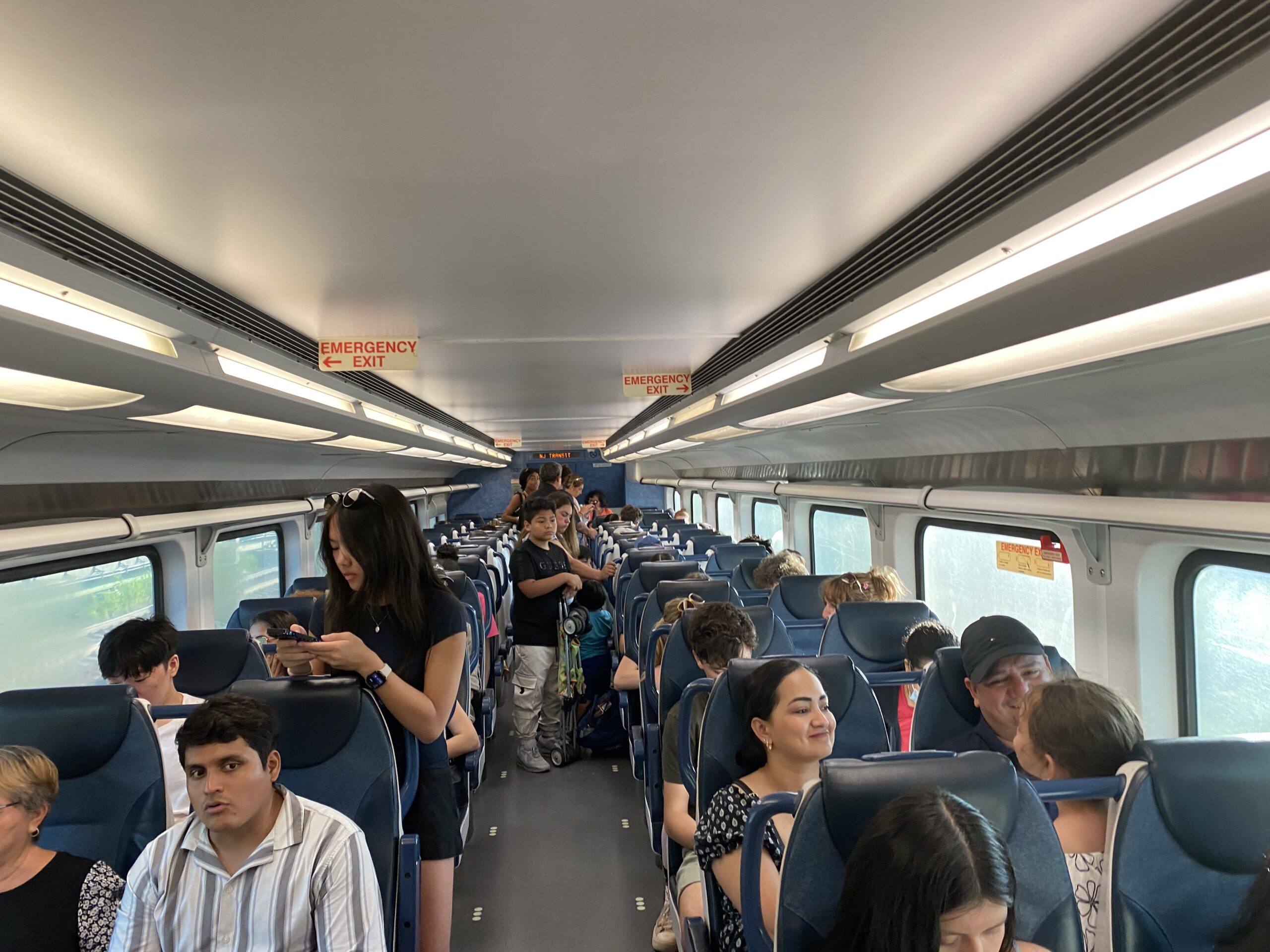
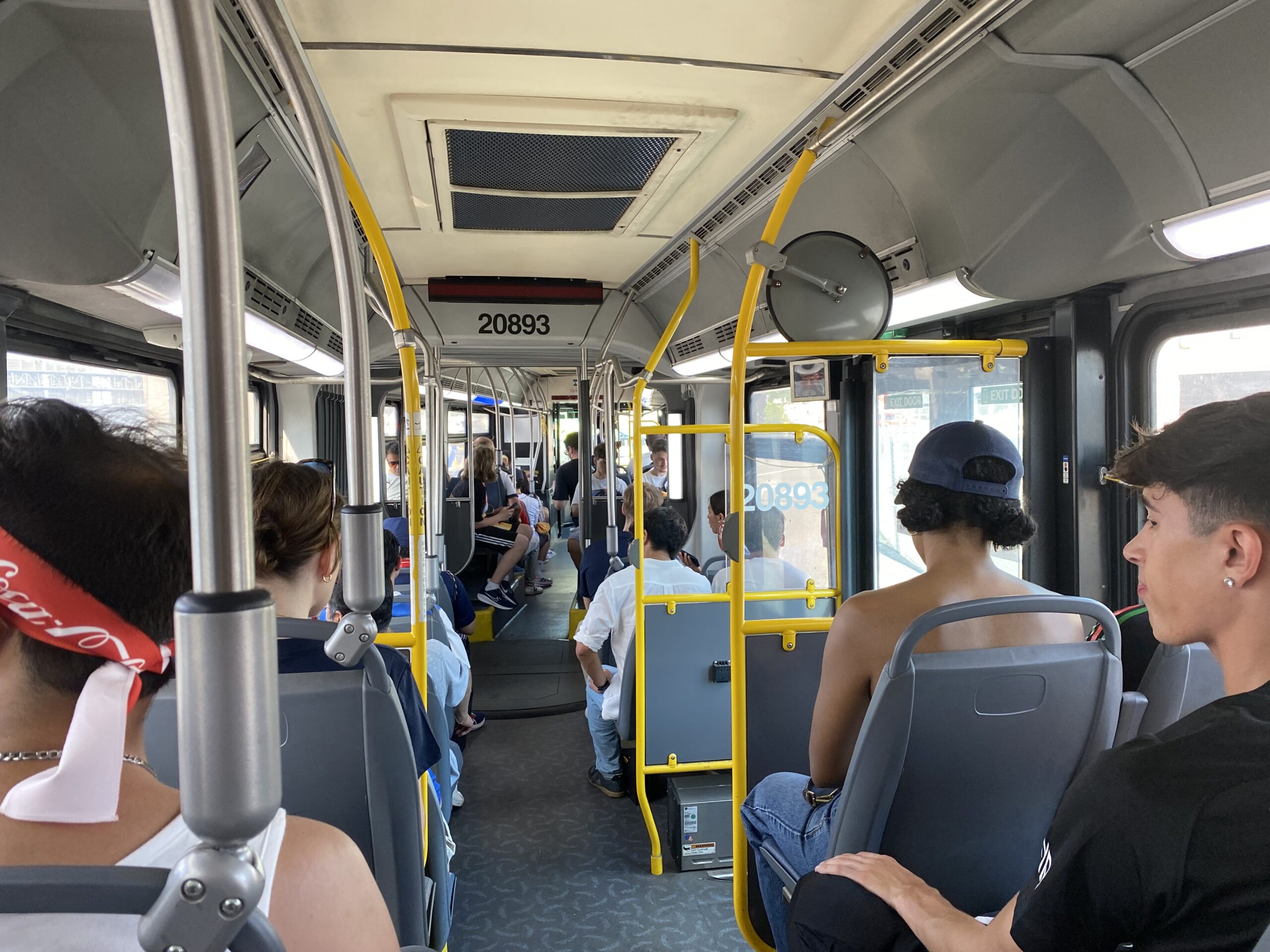
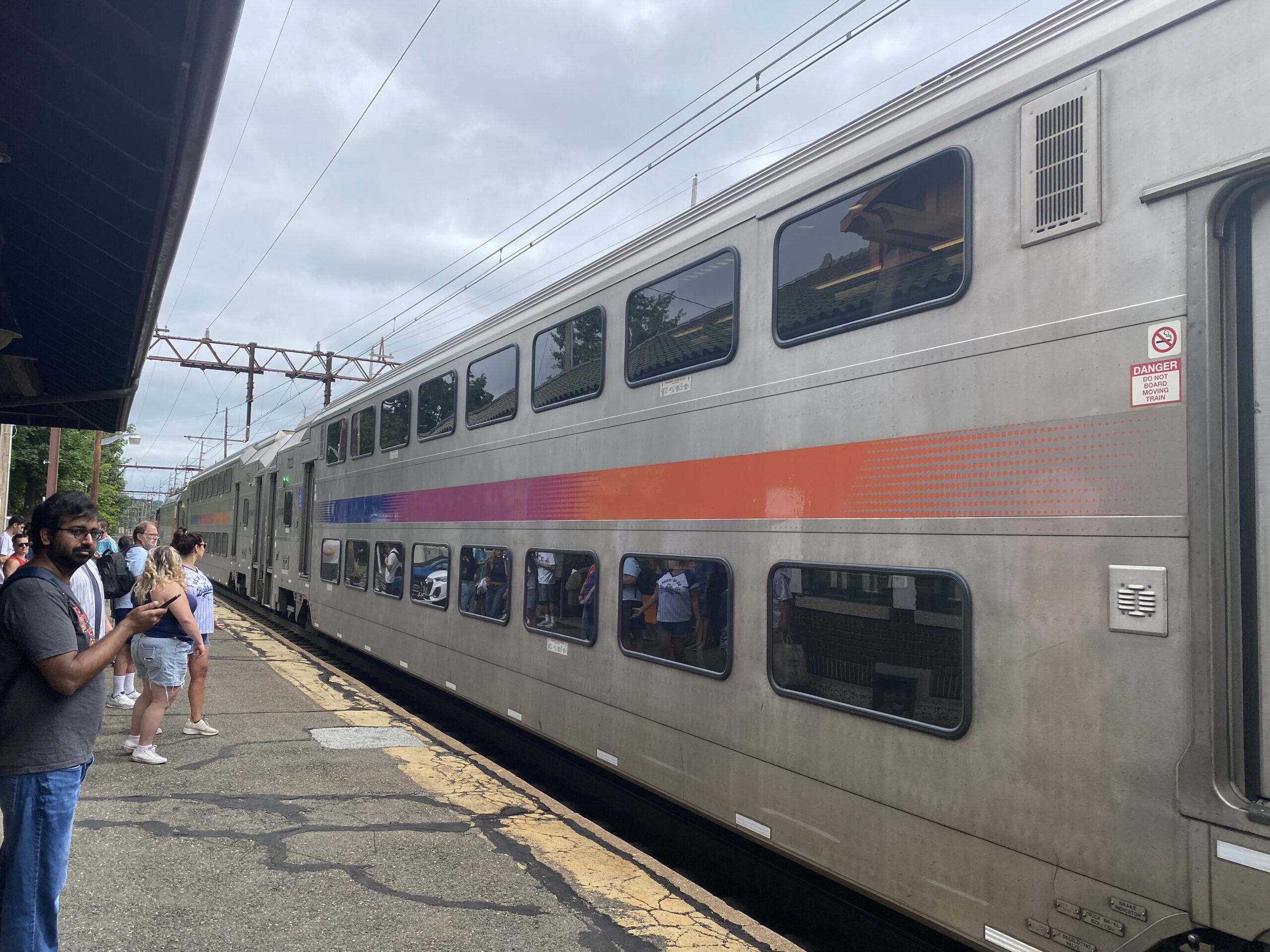
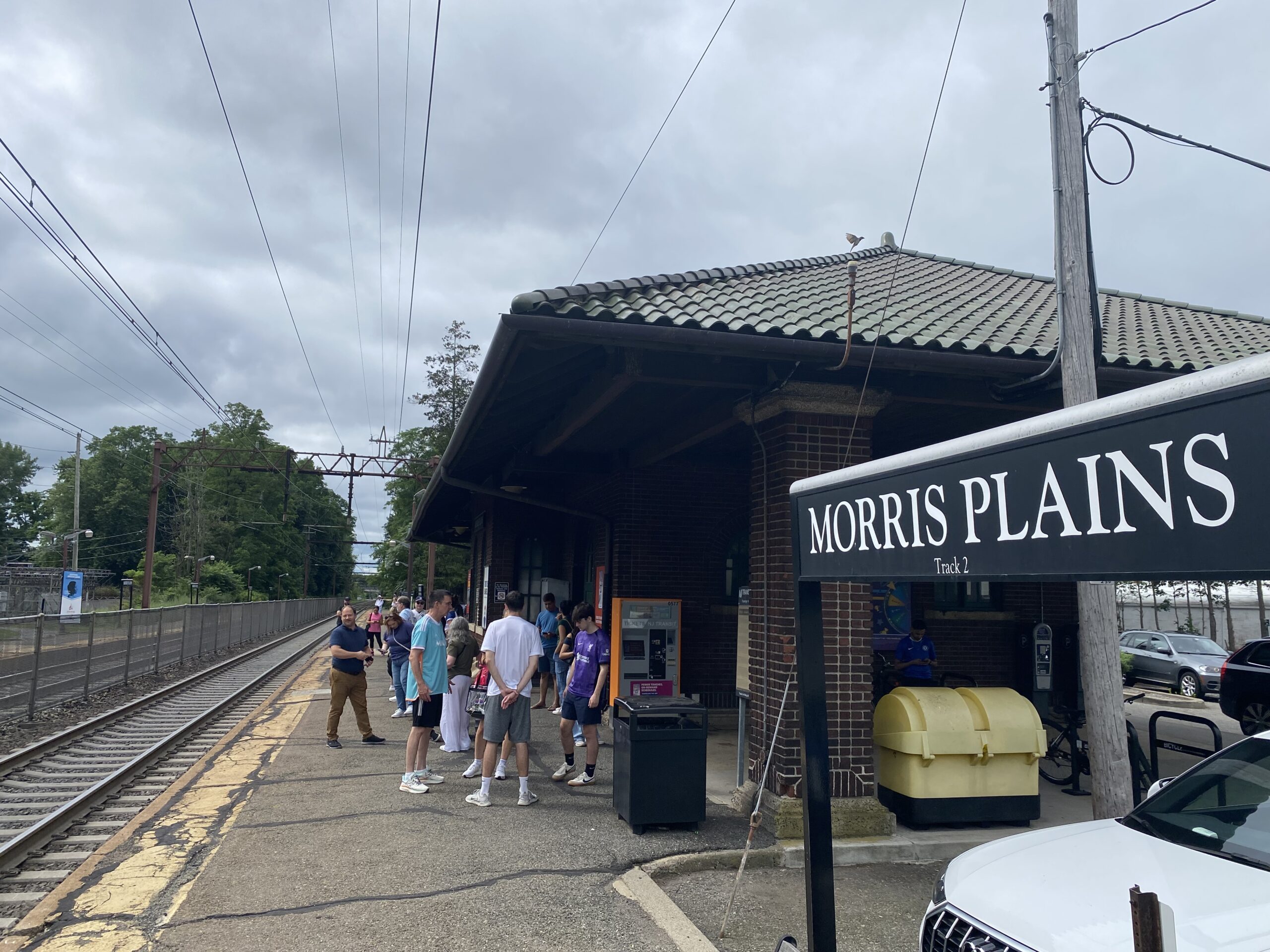
 Sixteen minutes. That’s how long it was from the time I took a seat in an NJ Transit bus outside of MetLife Stadium, rode it to the Secaucus Train Station, found my NJ Transit train to Morris Plains, boarded it — and had it start moving along a series of stops in New Jersey.
Sixteen minutes. All in air conditioning. And in modern transportation.
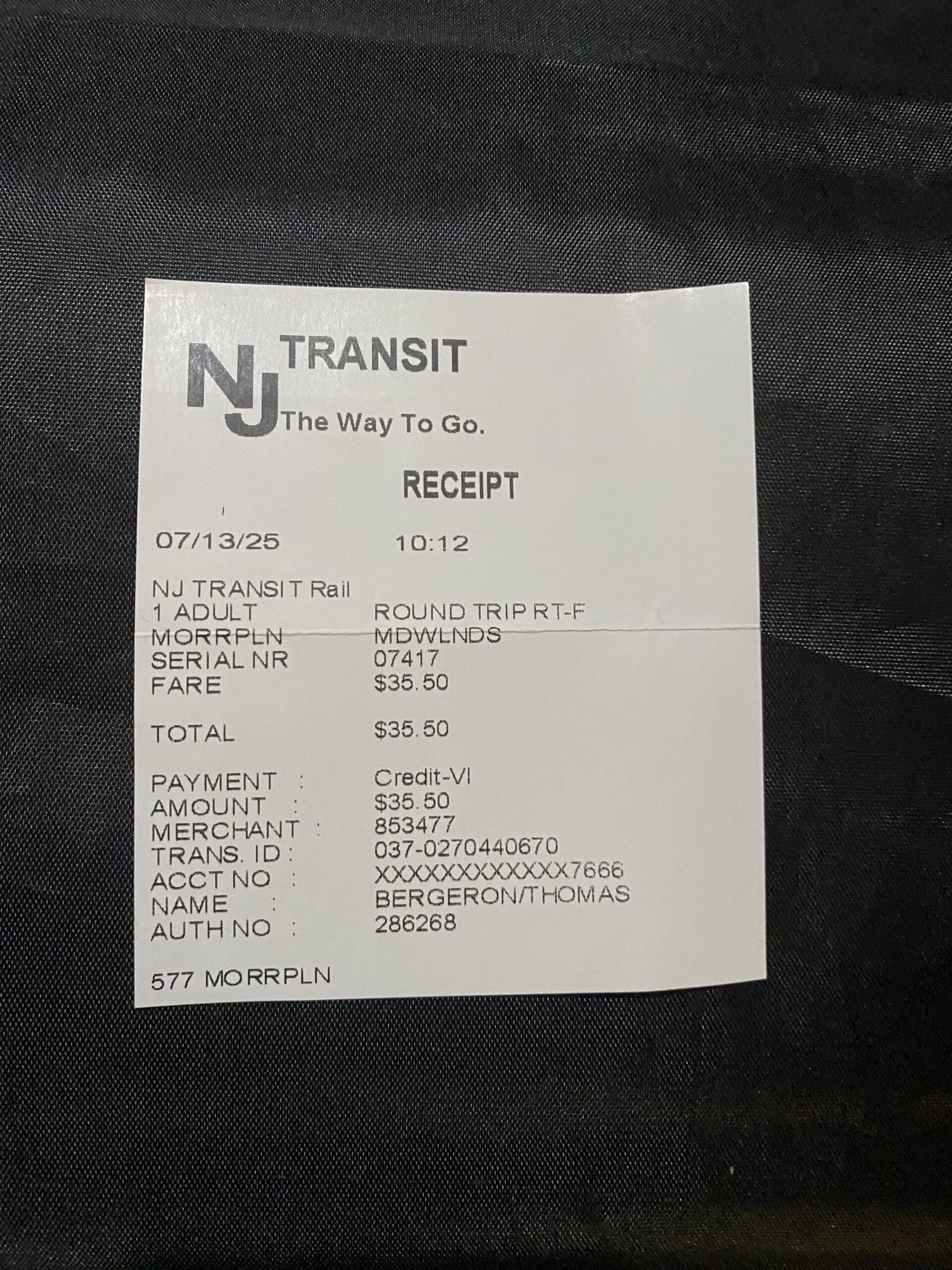
Now, I’m not sure why the queue to get in and out of the stadium and to the bus line was longer than for a ride at Disney World, why the halftime show was inconsequential since it was held in the upper deck of the stadium, why Chelsea was able to dismantle a seemingly unstoppable PSG club or why President Trump made himself a part of the Chelsea celebratory team pic, but I do know that 16 minutes (for just $17.75) was the most unexpected surprise Sunday for the final of the Club World Cup.
I know, I know: The Club World Cup is just a warmup — and is just a fraction of the scope and scale of next summer’s World Cup. Picture ten Super Bowls in one, we’re told. And understand that the final, to be held at MetLife Stadium on July 19, 2026, is expected to be the most watched event in human history. Got it.
But in terms of the number of people actually in MetLife Stadium on match day — and the ability to get them in and out of it — Sunday’s match essentially was the equivalent.
There were 81,118 fans in attendance. I’m sure they’ll find room for a few more, but not many more.
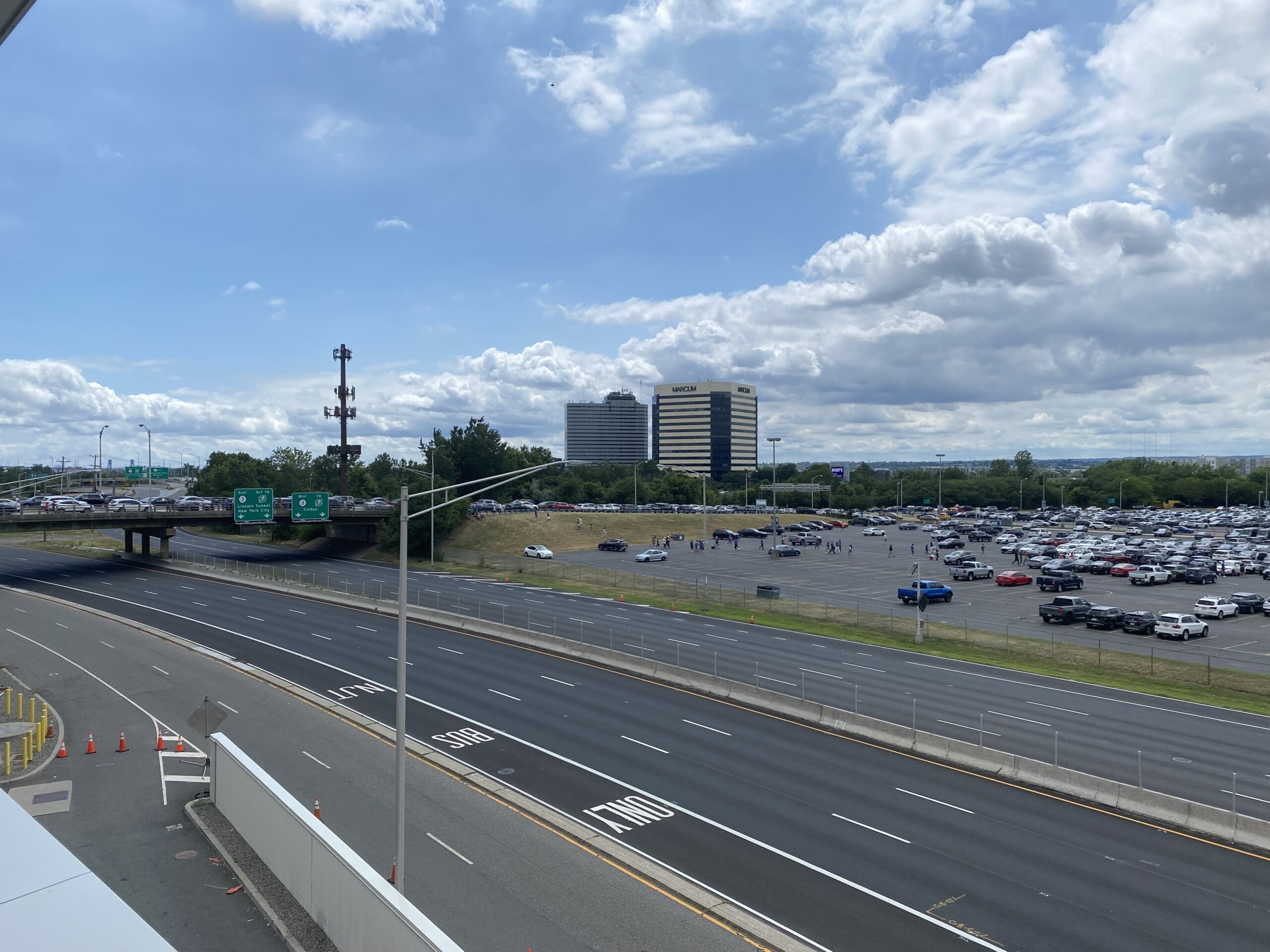
And the roads around MetLife were completely closed 30 minutes before the game to enable the president and other dignitaries to have VIP access. Will there be more dignitaries, more security concerns? Sure. But they shut down the roads going to the stadium. How much more disruptive could next summer be?
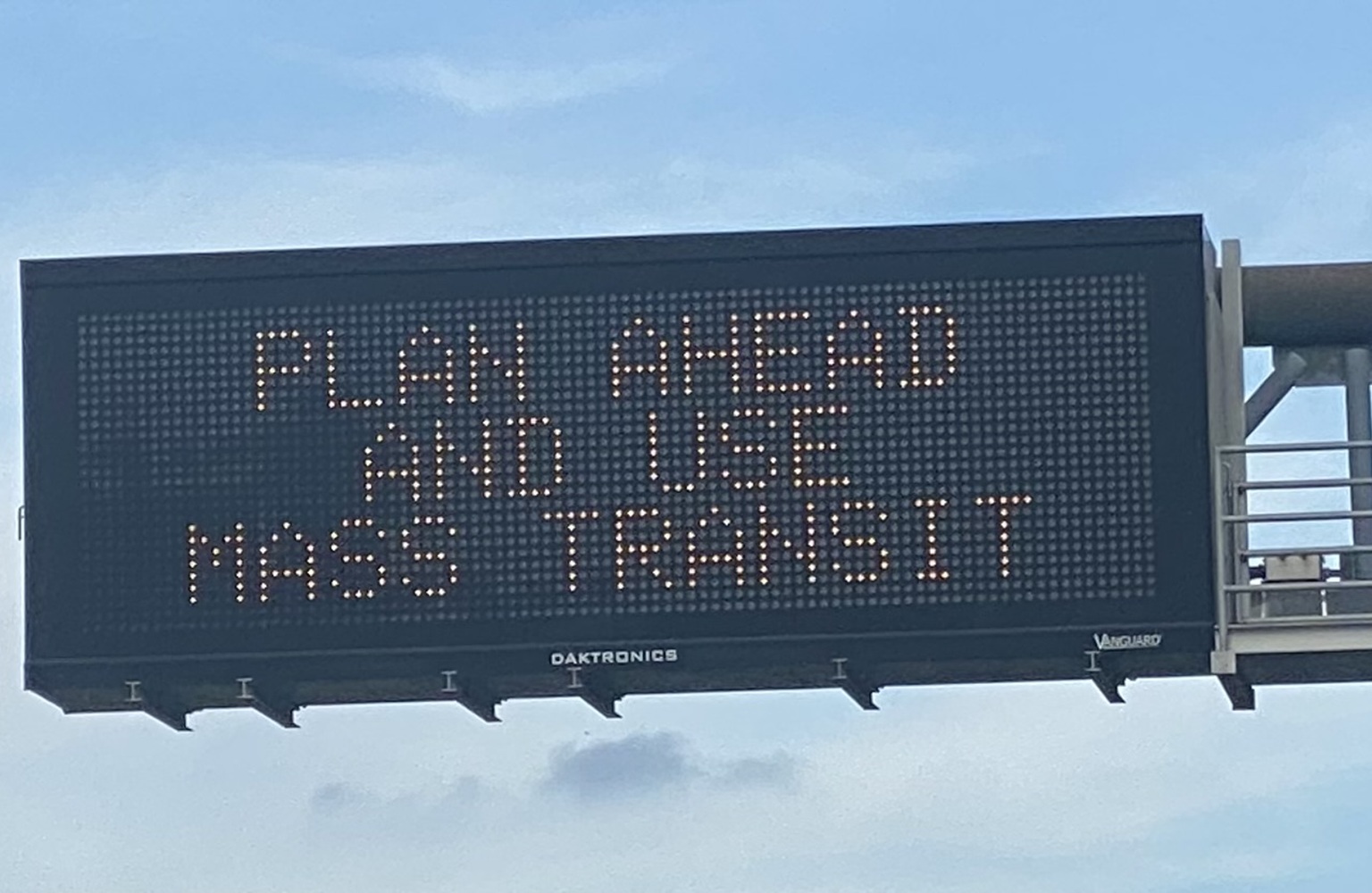
Those taking mass transit — long pitched as the method of choice by the host committee — arrived comfortably. Those driving to the stadium in the past 10 days (and we did so three times in the past week) may have had other experiences. We detailed one disaster here. And keep in mind, there will be no public parking at the stadium next year.
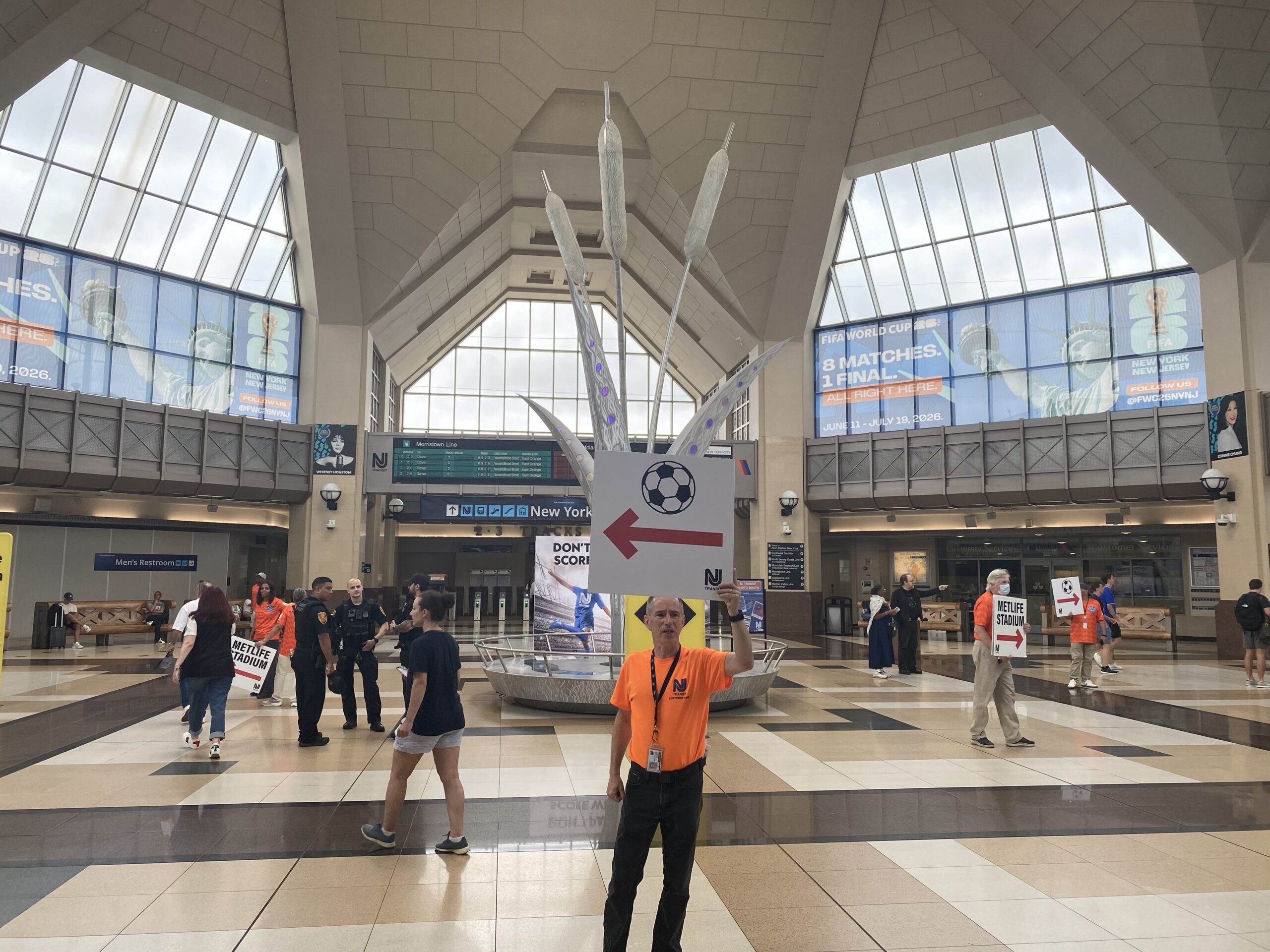
At every turn of the trip, there were hundreds of ‘ambassadors’ in orange shirts, holding signs and yelling out the answers to questions before they were asked. This was hugely significant.
“New York City on Track A; Newark Penn on Track 3” repeatedly was yelled at bus riders arriving at the Secaucus station after the game — many of whom certainly had never been to the station before.
Were the trains packed? Of course. And those boarding at the stadium got the seats, but I was able to sit by the time the train got to Newark and some started to disembark. And I don’t mind standing for a few minutes if the train leaves right away and it has air conditioning — two factors that, left unchecked, would lead to unrest.
Are there ways to improve the system? Sure. Next year’s event figures to have far more non-English speaking attendees, which will need to be addressed. And then there’s the fact that there will be plenty of English-speaking fans unaware of the difference between New York Penn Station and Newark Penn Station. Imagine going to the wrong one?
There’s a year to figure that out.
For now, there’s just a recognition that it didn’t take a year for me to get home.
For the record, I arrived back in Morris Plains at 7:48 — or one hour and 37 minutes after I first boarded a bus outside the game (and did so without a wait).
To be clear, there were 17 other stops along the way. I didn’t mind a bit.
If that’s what it takes to see the world’s biggest sporting event, I’ll take it.


