




The Liberty Science Center (LSC), New Jersey’s cultural institution based in Jersey City, is set to undergo a transformative $40 million expansion and renovation dubbed “Project Supernova,” following the approval of up to $39.8 million in tax credits from the New Jersey Economic Development Authority (NJEDA). LSC, one of the first recipients of funding from the NJEDA’s new Cultural Arts Facilities Expansion (CAFE) Program, a state initiative aimed at bolstering New Jersey’s arts and culture sector through strategic investments.
The visionary transformation will introduce highly unique, cutting-edge exhibits designed to dramatically increase visitor attendance, enhance engagement in science education, and improve overall accessibility for families and tourists from across New Jersey and the New York metropolitan area.
Construction for Project Supernova is slated to begin in the first quarter of 2026.
LSC President and CEO Paul Hoffman expressed profound gratitude for the state’s commitment, stating that the project is “a vibrant fusion of science, ecology, and culture.” He added that the expansion is “bold, forward-looking, and inclusive,” ensuring that learning remains “fun, hands-on, and accessible to all.”
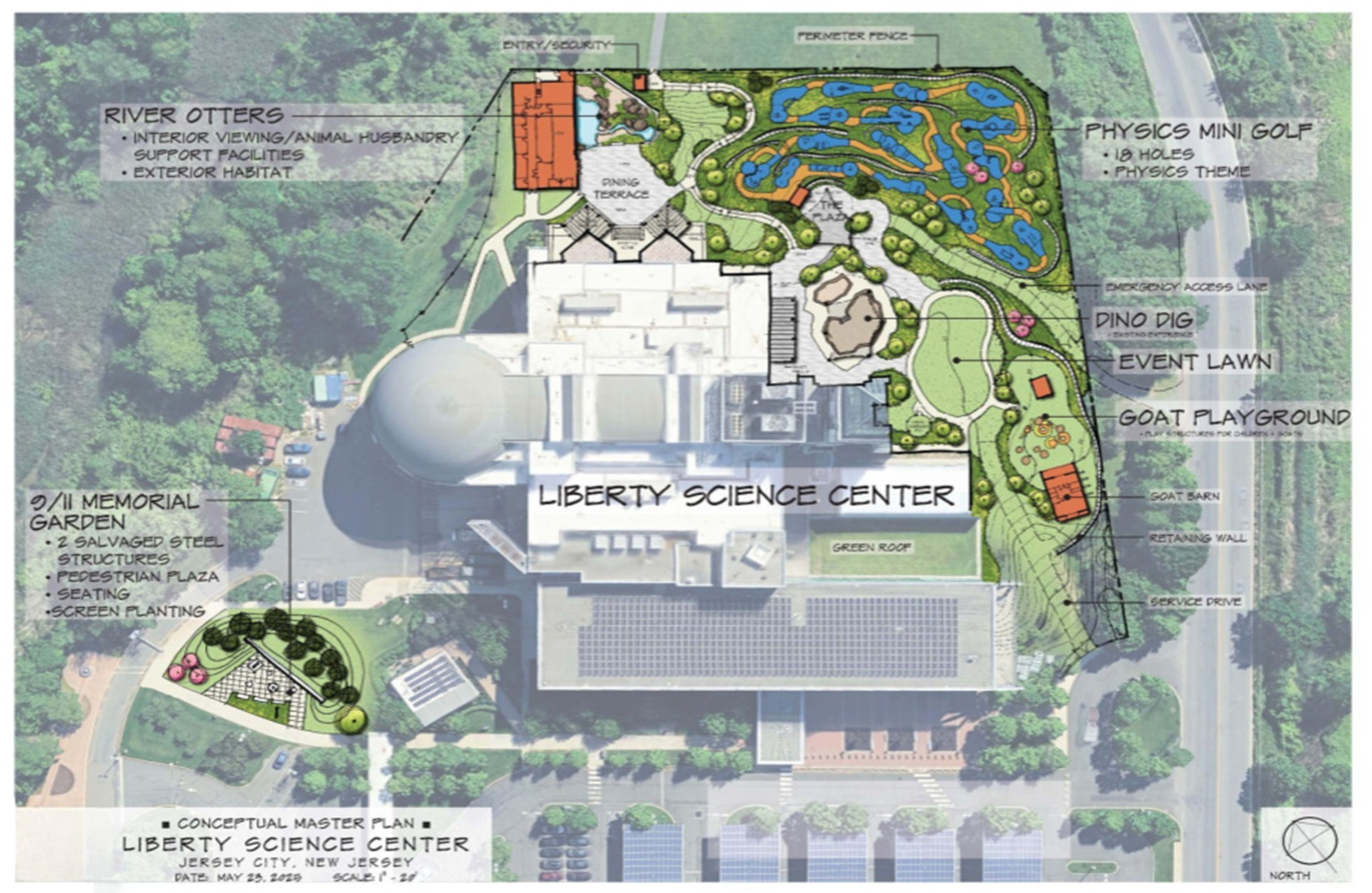
The approved funding will support a mix of indoor and outdoor renovations, incorporating New Jersey’s rich scientific heritage and natural ecosystems. The most anticipated new features include:
1. The G.O.A.T. Corner: A playground for kids and goats
One of the project’s most unique planned features is the Kids Corner, a playground designed for parallel play between human children and goats. Visible from the adjoining Phillip Street, the structure will feature separate yet parallel play areas and a ground-level barn where trained staff will facilitate supervised educational interactions. This highly original concept aims to bring an engaging, interactive educational component to animal ecology and behavior.
2. Physics Mini Golf: The world’s best science course
Honoring New Jersey’s deep legacy in physics—from the pioneering work at Princeton University to the invention of the transistor at Bell Labs—LSC will create what it touts as the world’s best Physics Mini Golf Course. Each hole, designed collaboratively by artists and scientists, will demonstrate a core physics principle, transforming a leisure activity into an unparalleled hands-on science learning experience.
3. North American River Otter Habitat
The expansion will feature a new North American River Otter Habitat, which directly ties into the reimagined River Rising exhibition. This outdoor habitat, strategically positioned to offer visitors unique indoor views of the otters regardless of weather, will expand the story of the Hudson River ecosystem and its native inhabitants.
A significant portion of the renovation will focus on updating the LSC’s environmental and scientific exhibits to address contemporary issues like climate change.
The existing Our Hudson Home exhibit will be replaced by the highly engaging River Rising gallery. This modern, immersive experience will surround visitors in the power of the Hudson River and explore the awe-inspiring forces—from daily tides and human action to the urgent challenges posed by climate change—that shape the estuary’s past, present, and future.
Visitors will explore sub-zones, including:
-
Global Climate Change: Focuses on the ocean’s role in climate regulation and its effects on the estuary.
-
Land Connection Zone: Highlights the complex interplay between the Hudson and the surrounding land, whether marsh or city.
-
River Connection Zone: Celebrates environmental cleanup progress and traces the Hudson’s path to the continent’s interior.
To maximize visitor attendance and engagement, LSC is strategically reconfiguring its internal layout. The special temporary exhibits gallery will be relocated from its current space on the fourth floor to a much larger, more prominent, and flexible location on the first floor. This move is intended to allow LSC to host high-impact, “brand name blockbuster experiences” that draw large crowds, such as The Van Gogh Expo or The Harry Potter Experience.
Other planned refurbishments include upgrades to the iconic Jennifer Chalsty Planetarium (the largest in the Western Hemisphere), the Science on a Sphere projection globe, and the expansion of the popular Wild About Animals habitat. LSC will also use new outdoor spaces to offer all-weather activities and programming and will design a 9/11 Memorial Garden featuring two original World Trade Center beams donated by The Port Authority of New York and New Jersey.
Gov. Phil Murphy emphasized the importance of the CAFE program, noting that the expansion of cultural institutions like LSC will “serve as an economic catalyst for communities across the state,” increasing quality of life and strengthening the state’s economic future. NJEDA CEO Tim Sullivan echoed this, calling the LSC approval a “significant milestone in our continued efforts to strengthen arts and culture institutions.”
This massive investment positions the Liberty Science Center to significantly expand its mission of fostering a lifelong love of STEAM (Science, Technology, Engineering, Arts, and Math) and cementing its status as a world-class educational destination.


