


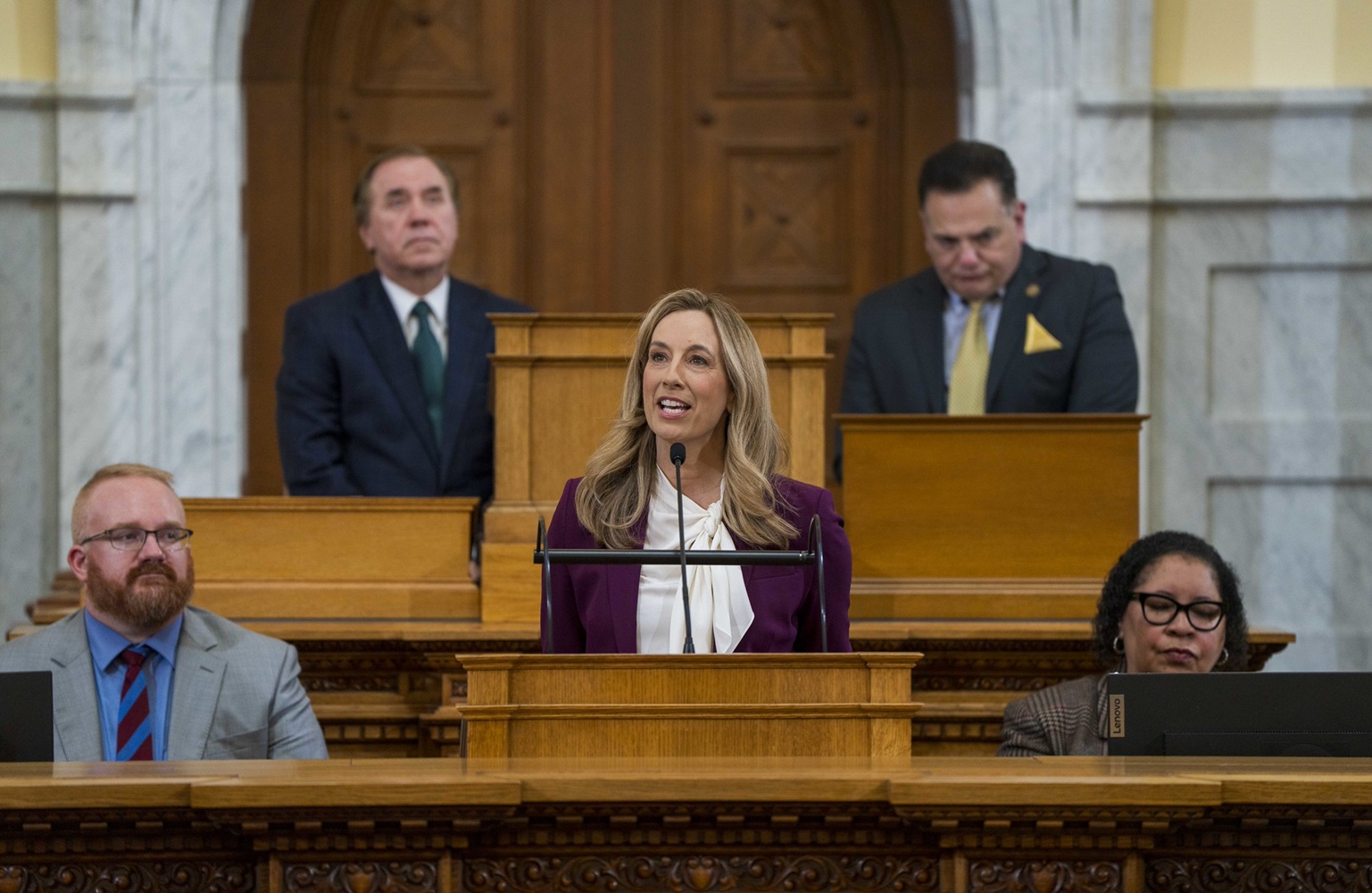
New Jersey Gov. Mikie Sherrill, Senate President Nicholas Scutari, and Assembly Speaker Craig Coughlin on Tuesday announced a bipartisan agreement on a $60.7 billion state budget for Fiscal Year 2027. The agreement, expected to be passed by the Legislature in the coming days, focuses on enhancing affordability for residents while strengthening the state’s long-term fiscal health.
A cornerstone of the budget agreement is a historic commitment to property tax relief. The plan ensures that the “StayNJ” program remains a sustainable benefit for retirees and includes an expansion of the Child Tax Credit, providing targeted support for New Jersey families.
“We are pleased to have worked closely together to reach an agreement on an FY 2027 budget that makes New Jersey more affordable,” the leaders said in a joint statement.
Beyond direct relief, the budget addresses the state’s structural deficit by cutting it in half. The agreement maintains the state’s commitment to fiscal discipline by continuing to fully fund pension obligations—a practice reinforced throughout the Sherrill administration—and increasing the state’s budget surplus.
State leadership emphasized that this increased surplus is a proactive measure intended to protect New Jerseyans from rising costs and potential federal policy shifts. The budget explicitly aims to bolster state resources to combat challenges related to Medicaid, food assistance, and affordable health care access.
The FY 2027 budget proposal, which Sherrill introduced earlier this year under the theme “Rising to the Mission,” represents a 1.6% increase over the previous fiscal year. With this agreement, the administration and legislative leaders aim to:
- Strengthen Social Services: Protect and expand access to essential health and food programs.
- Enhance Government Accountability: Continue reforms to streamline state operations and improve transparency.
- Invest in Shared Priorities: Maintain funding for education, infrastructure, and housing initiatives that support long-term economic development.
The agreement sets the stage for the final legislative vote, which must occur before the June 30 deadline to ensure the state’s fiscal continuity.


