


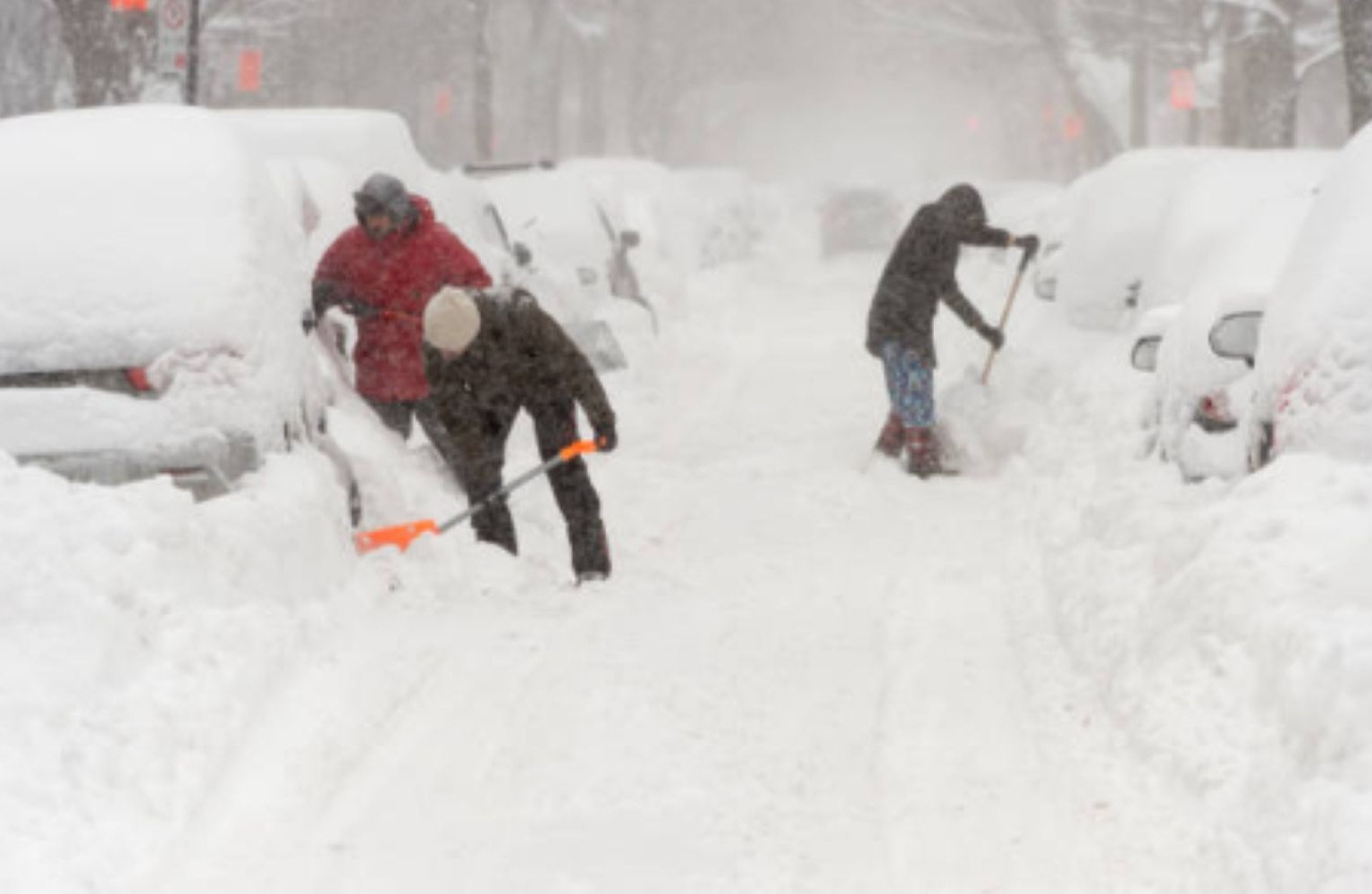
For the second time in less than a month, New Jersey residents are finding themselves buried under a massive blanket of heavy, wet snow. Following the late-January “Snowmageddon” (Winter Storm Fern) that left over 10 inches across much of the state, this week’s historic blizzard—unofficially dubbed Winter Storm Hernando—has delivered a crushing second blow, with some North Jersey towns reporting staggering totals of nearly 28 inches.
Gov. Mikie Sherrill declared a State of Emergency as the storm moved in, but for many, the greatest danger isn’t the commute—it’s the cleanup. Hackensack Meridian Health physicians are issuing urgent warnings as the “heart attack snow” piles up on driveways still slick from the last event.
Unlike the powdery snow seen in some previous winters, this storm brought “heavy, wet” accumulation. This type of snow is much denser because it contains more water, making it significantly more difficult and dangerous to move.
“With this storm, we’re particularly concerned about the combination of heavy, wet snow and high winds,” Dr. Alina Mitina, an Emergency Medicine Specialist at Hackensack University Medical Center, said. “The weight of this snow makes shoveling incredibly strenuous, significantly increasing the risk of heart attacks, especially for those with underlying health conditions.”
Cardiovascular events spiked during the January storm, and doctors fear a repeat. Cold air naturally constricts blood vessels, which raises blood pressure. When you add the intense physical demand of lifting hundreds of pounds of wet snow, the heart is forced to work at a dangerous pace.
Populations who must avoid shoveling entirely:
- Anyone over the age of 55.
- Individuals with a history of heart disease or high blood pressure.
- Current or former smokers.
- Those with diabetes or obesity.
STOP immediately and call 911 if you feel:
- Chest pain or pressure.
- Shortness of breath.
- Pain radiating to the shoulders or arms.
- Dizziness or nausea.


