



Oh, for the good ol’ days.
Do you remember the spring of 2017: When the ‘Fearless Girl’ statue was put in front of Wall Street’s iconic bull, calling attention to gender inequality and the pay gap in the corporate world?
The statue, commissioned by one of the world’s largest fund managers, was said to represent the future — and was spurred then by the fact that one in four of the 3,000 largest traded U.S. companies did not have even a single woman on their board.
Investment banks pushed the companies they represented for progress. The SEC made rules requiring companies that did not meet the bare-minimum gender requirements to explain why.
Nearly a decade later — and after a decade of advancement – the effort is being sidelined.
In what some may describe as a Make-Wall-Street-Male-Again movement, gender equity requirements on Wall Street are going the way of actual traders on the exchange floors: They are disappearing.
Goldman Sachs dropped its diversity mandate. BlackRock, State Street and Vanguard all did, too — in some fashion.
Even the courts got involved. The Fifth Circuit Court of Appeals vacated Nasdaq’s diversity disclosure rule.
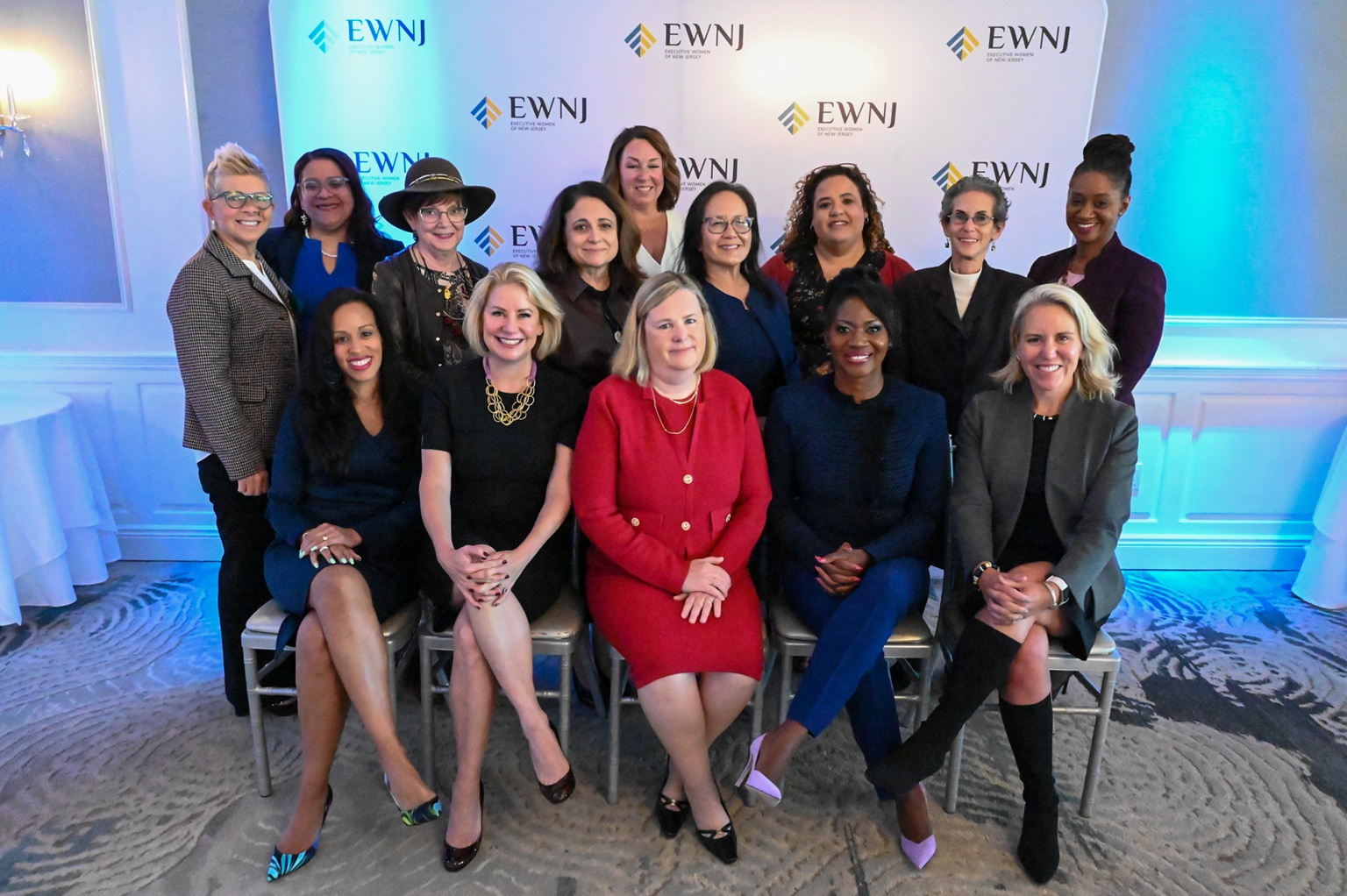
All of this takes on greater importance in New Jersey today — the release day of the seventh annual Seat at the Table Report by Executive Women of New Jersey.
The influential and impactful report detailed the state of women on boards in New Jersey.
EWNJ President Susan K. Dromsky-Reed of Brach Eichler and President-elect Onome Adejemilua of McCarter English detailed the report for an overflow crowd of a few hundred in Florham Park, telling how the number of companies on their Honor Roll (meaning at least 35% of board are women) has grown to 24.
That’s great.
But they also detailed how the anti-DEI backlash could hurt the effort moving forward.
Less reporting means less accountability — making it more challenging for the group to follow through on the theme of this year’s report: Sustaining momentum.
“We must continue to encourage companies throughout New Jersey to seek out talent and to pull up talent through the ranks, to further diversity their voice and leadership,” Dromsky-Reed said.
She said the value of EWNJ advocacy has never been more important.
“The doors we have opened in the past will not remain open by themselves,” she said.
To keep them open, Adejemilua said the women in the room need to emulate the Fearless Girl.
Now is not the time to back down, she said.
And she’s confident this crowd will not do so.
“We’re not going back,” she said. “Women have created these networks, and they will be hard to disrupt. We’re holding the door for each other — and the next generation.”
Adejemilua is confident that enough companies understand the value. Those who don’t, those who only were participating in gender programs for show — are not worth worrying about, she said.
Word will spread. Women will do their research. Those companies will lose quality people, she said.
And they’ll lose something even more critical.
And this is what is so perplexing about this entire situation — about any program that aims to bring diversity of any kind to corporate leadership or a corporate board.
It’s something backed by decades of research.
It’s something that everyone on Wall Street can understand.
“Companies with diverse boards make more money,” Dromsky-Reed said.


