


Nearly every program introduced by the N.J. Economic Development Authority during the Murphy administration came with a DEI bonus:
- If your potential project or move was in an underserved area, you got an extra award;
- If you promised to use subcontractors owned by someone from certain minority groups, you got an extra award;
- If you promised to hire people from underserved communities, you got an extra award.
More from BINJE:
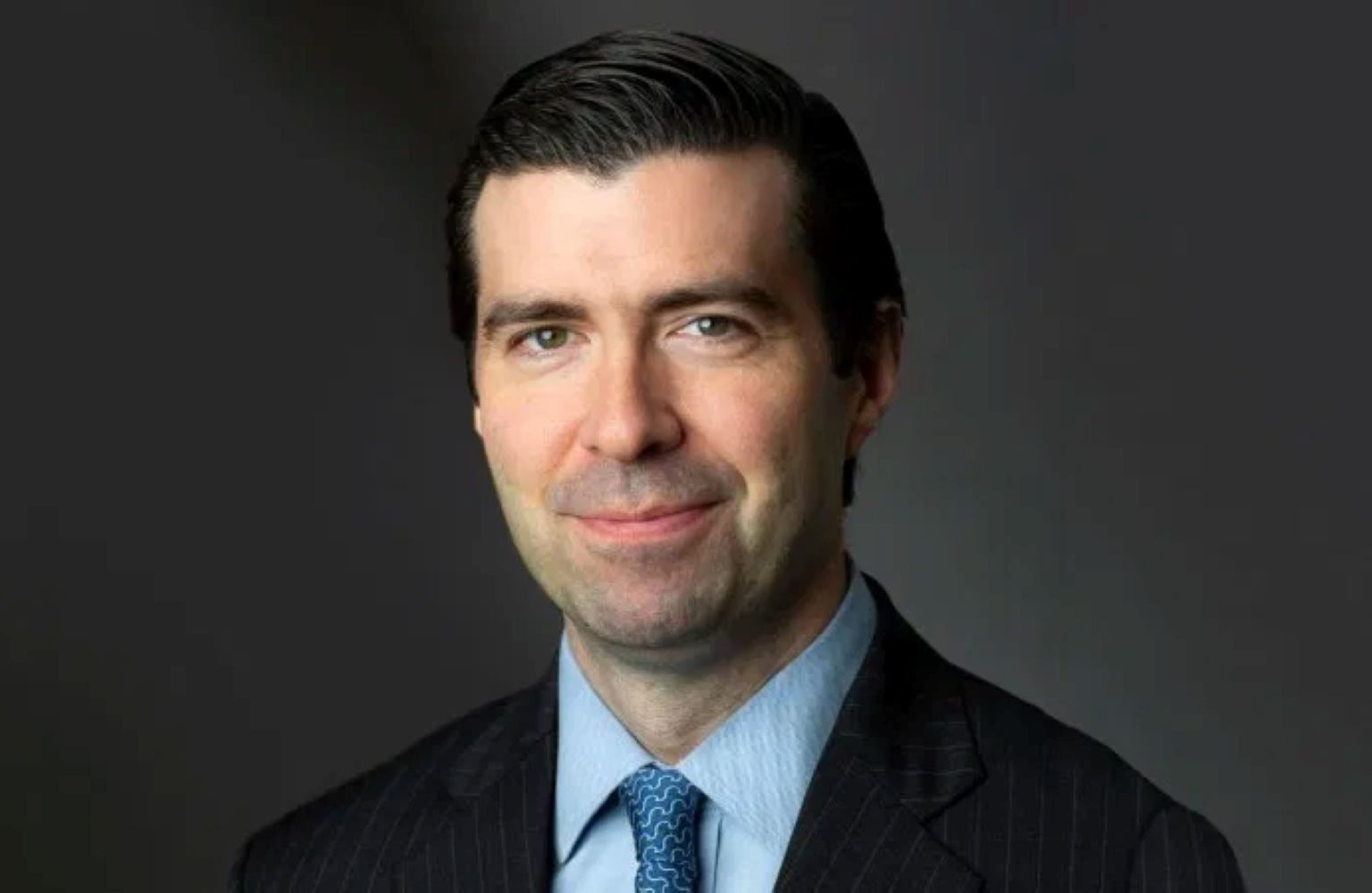
Tim Sullivan, the CEO of the EDA the past eight years, said the intentionality of the governor was clear — and should be applauded.
“It’s fallen out of fashion nationally to talk about inclusive growth, but not in New Jersey, not under Gov. Murphy’s leadership,” he said. “We’re trying to bring along as many people in New Jersey as possible. That means being really intentional about reaching out to minority-owned businesses, women-owned businesses, veteran-owned businesses, LGBTQ- owned businesses, immigrant-owned businesses.”
Sullivan said the EDA’s efforts to support minority companies have come in many forms.
“There have been two prongs of our sort of inclusive growth effort,” he said. “Some of that has been really intentional, purpose-built programs, like things we’ve done with John Harmon (of the African American Chamber) and Carlos Medina and Luis De La Hoz (of the Hispanic Chamber) around things like the small business bonding readiness program, some of the investments we’ve made with the national Initiative for a Competitive Inner City, some of our capacity building programs for minority-owned businesses and women-owned businesses, etc.
“And some of it’s been intentionally layering inclusion into every single program we do, so there are either diversity bonuses or opportunity zone bonuses.”
Has it been enough?
Can it continue under a new administration?
The current backlash to DEI initiatives at the federal level is intense. Even having the words ‘diversity’ or ‘inclusion’ in your application or on your web site can disqualify you from funding.
And to be clear, the efforts of Murphy and the EDA have been called into question by some underserved groups, who say the administration has not done enough.
Some point to the state’s shocking disparity study, which showed minority groups got a shamefully low percentage of government contracts in certain sectors. They appreciate the governor commissioning the study, but question why it took six years to do (when the outcome was well known) and why no meaningful action has been taken since.
Sullivan, who recently announced he will be leaving his post by the end of the year, does not run from the criticism — or the skepticism.
“Hopefully, no one would mistake my enthusiasm and commitment to inclusive growth as a declaration of ‘Mission accomplished,’” he said. “There is an enormous amount still left to do until we can declare that there is a sort of both stronger and fairer New Jersey economy.
“I think Gov. Murphy rightfully gets a lot of credit for doing the disparity study, sort of taking the hard look in the mirror and being frank about the results, which were jarring. But there is still a ton more to do, and the progress we’ve made is precarious.”
Sullivan said he’s proud of the steps the state took.
“It’s the right thing to do from a moral and ethical perspective — but it’s also the smart thing to do,” he said. “This is New Jersey. We’re one of the most diverse states in America.
“If we aren’t caring about Black-owned businesses, Latino- or Hispanic-owned businesses, LGBT- and veteran-owned businesses, we’re ignoring a huge chunk of who New Jersey is —not some future version of New Jersey, but who we already are, one of the most diverse states in the country.”
Sullivan said he hopes the philosophy will continue in the next administration.
“And that’s irrespective of party and that’s not just the next governor — it’s the next 4, 5, 6, 7 governors,” he said.
“Anyone who thinks we got this figured out, is wrong. This is generational, but it’s also urgent now. That’s why, when we were creating the rules for these programs, we weren’t just thinking about the here and now but the long term.”


